 1 hour ago
Last Updated:March 13, 2026, 16:06 IST
By granting this limited flexibility, the US is signalling that market stability is now a bigger priority than strictly enforcing punitive trade measures.


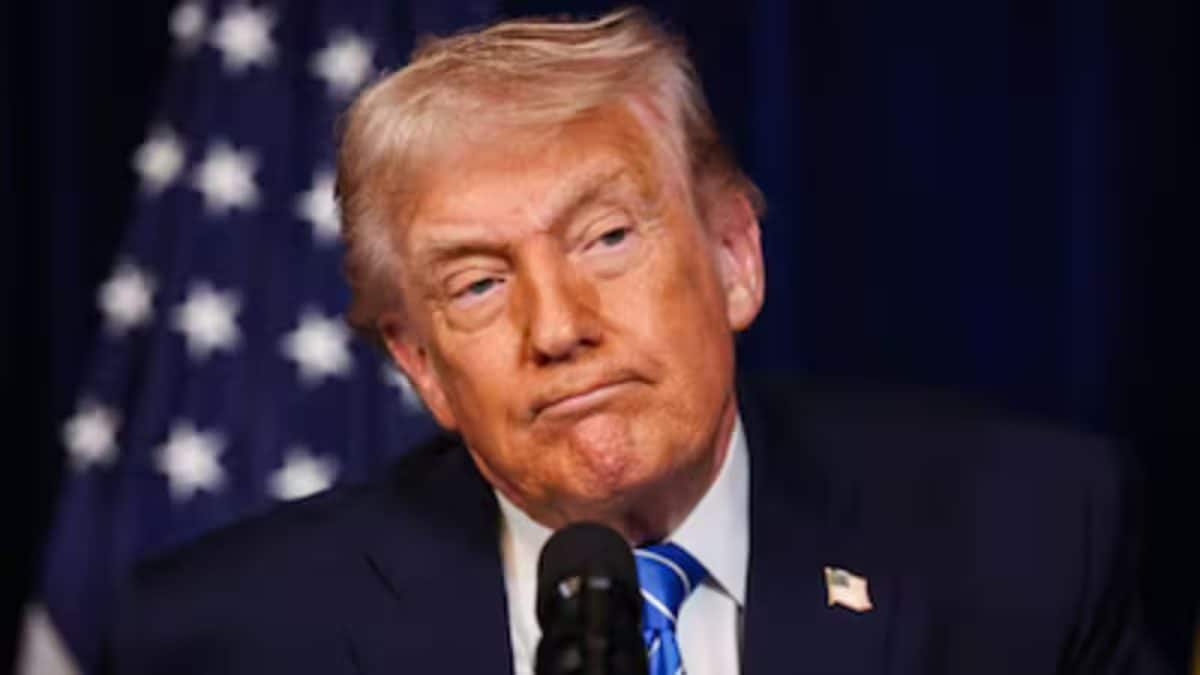
US President Donald Trump (AFP)
In a notable shift , the United States’ stance on countries purchasing Russian oil appears to be softening, at least temporarily. Earlier this week, US Ambassador to India Sergio Gor publicly acknowledged India’s pragmatic approach to energy security, noting that buying discounted crude from Russia had helped stabilise global oil markets. His remarks were widely interpreted as a recognition that major energy importers like India prioritised affordable supplies amid global volatility triggered by the US-Israel-Iran war.
The shift became even clearer when Washington allowed countries to temporarily purchase Russian oil cargoes that are currently stranded at sea. The move, described as a short-term measure, aims to prevent sudden supply disruptions and avoid a spike in global crude prices at a time when shipping routes and energy flows are already under strain. By granting this limited flexibility, the US is signalling that market stability is now a bigger priority than strictly enforcing punitive trade measures.
This evolving approach also underscores the growing recognition in Washington that large buyers such as India play a stabilising role in the global energy ecosystem. By continuing to purchase Russian crude and refine it for domestic consumption and export, India has helped keep oil moving through global markets even during geopolitical turbulence.
What Has Changed US’s Stance On Countries buying Russian Oil?
The decision comes at a time when geopolitical tensions in the Middle East have raised fears of major disruptions to oil flows, forcing policymakers to prioritise stability in global fuel prices. Here’s a look at some factors at play:
A Temporary Waiver to Prevent Supply Disruptions
The change in approach became evident after the US allowed countries to purchase Russian oil cargoes that had already been loaded onto tankers before the latest sanctions tightened. Officials described the measure as a temporary and limited step intended to prevent logistical chaos in the oil market.
According to US officials, the waiver is designed to ensure that oil already in transit does not remain stranded indefinitely at sea, which could create supply bottlenecks and drive prices higher. In effect, the policy allows refiners and traders to complete transactions that were already underway without triggering penalties. The move does not mean Washington has lifted its broader sanctions regime against Moscow; rather, it reflects a short-term adjustment to prevent disruptions in an already fragile energy market.
Rising Tensions Around the Strait of Hormuz
A major reason behind the policy shift is the growing instability around the Strait of Hormuz, one of the world’s most vital oil transit routes through which roughly a fifth of global seaborne crude passes. The ongoing conflict involving the United States, Israel and Iran has increasingly spilled into maritime routes in the Gulf, raising fears about tanker safety and the reliability of oil shipments from the region.
One of the most serious incidents occurred recently when the US-linked tanker Safesea Vishnu was attacked near Basra in Iraq. The vessel, owned by the SafeSeas Group, was reportedly struck by an explosive-laden boat, causing a fire onboard and forcing the crew to abandon the ship. The attack underscored the rising risks faced by commercial vessels operating in the region.
Such incidents have rattled shipping companies and insurers, with some tankers avoiding the route altogether and insurance premiums rising sharply. With shipping disruptions already reducing available supply, allowing Russian cargoes stuck at sea to reach buyers is seen as a way to stabilise the market.
India’s Oil Strategy Gains Recognition
The evolving US approach also reflects growing recognition of the role major importers have played in keeping global oil markets stable. India, one of the world’s largest energy consumers, has continued purchasing discounted Russian crude despite Western sanctions.
By absorbing large volumes of Russian oil and refining it for domestic use and export, India has helped ensure that global supplies remain adequate even during geopolitical turbulence. Analysts say this strategy has prevented sharper price spikes at times when supply from other regions faced disruptions.
In fact, recent comments from US officials have acknowledged that India’s continued purchases have helped maintain stability in global energy markets — a notable shift from earlier criticism of countries buying Russian crude.
India’s role in keeping oil prices stable was acknowledged publicly by US Ambassador to India Sergio Gor, who praised New Delhi for continuing to purchase crude oil even as supply chains face disruption. “India has been a great partner in maintaining stable oil prices around the world," Gor said.
Rising Oil Prices Forcing Policy Flexibility
Another key factor behind Washington’s policy shift is the sharp rise in global oil prices. The escalation of tensions in the Middle East and fears of disruptions in the Strait of Hormuz — through which roughly a fifth of the world’s seaborne oil passes — have already pushed crude prices higher and unsettled global markets
In such an environment, keeping oil supplies flowing has become a priority for policymakers. Allowing countries to temporarily purchase Russian oil that is already loaded on tankers helps prevent millions of barrels from remaining stranded at sea. By ensuring that these shipments reach buyers, the US hopes to increase available supply in the market and prevent crude prices from spiking even further.
Sanctions Remain — But Flexibility Is Emerging
Despite the temporary waiver, Washington has not abandoned its broader strategy of limiting Moscow’s oil revenues. The US and its allies continue to enforce price caps and financial restrictions aimed at reducing Russia’s ability to fund its war effort.
However, the latest move shows that the US has been pushed to introduce flexibility when global energy stability is at stake.
First Published:
March 13, 2026, 16:06 IST
News world All Fair In War: Why US Is Softening Its Stance On Russian Oil Buyers
Disclaimer: Comments reflect users’ views, not News18’s. Please keep discussions respectful and constructive. Abusive, defamatory, or illegal comments will be removed. News18 may disable any comment at its discretion. By posting, you agree to our Terms of Use and Privacy Policy.
Read More