 12 hours ago
Last Updated:December 16, 2025, 12:22 IST
Naveed had previously drawn the attention of the Australian Security Intelligence Organisation (ASIO) due to his connections with a Sydney-based Islamic State cell

A mourner lays Israel's flag among floral tributes outside Bondi Pavilion in Sydney to honour victims of the Bondi Beach shooting. (AFP)
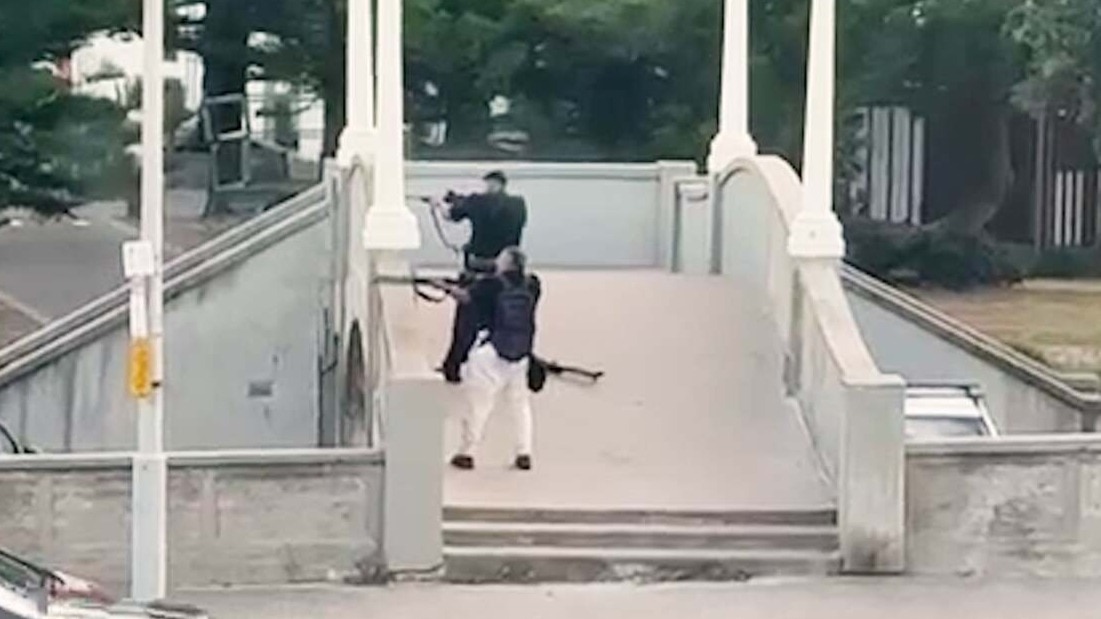
Could the Bondi Beach shooting, which claimed at least 16 lives and injured over 40 others, have been anticipated or prevented? The attack, targeting Jewish Australians celebrating the first night of Hanukkah, has been described as the deadliest terror incident in Australia’s history and the worst mass shooting since Port Arthur in 1996.
Challenge of Lone-Actor Terrorism
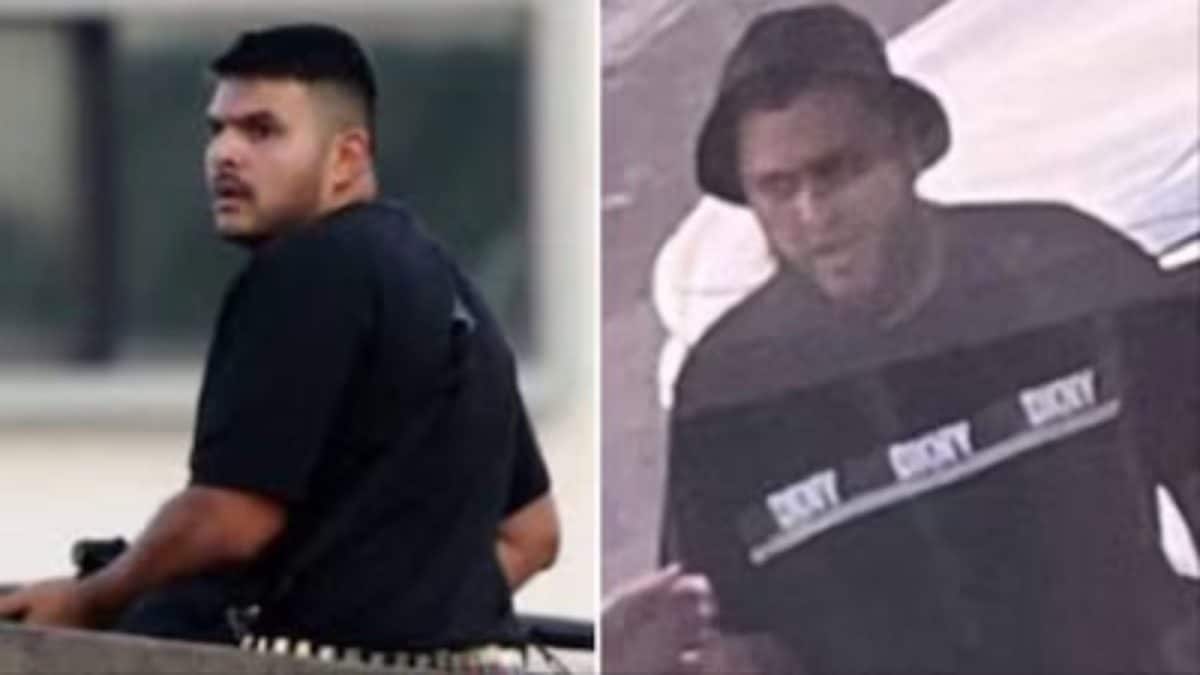
The assailants in Sunday’s attack were identified as 50-year-old Sajid Akram and his son, 24-year-old Naveed Akram. According to several media reports, the Australian authorities had been aware of one of the attackers for several years prior to the Bondi Beach massacre.
Naveed had previously drawn the attention of the Australian Security Intelligence Organisation (ASIO) due to his connections with a Sydney-based Islamic State cell. ASIO director-general Mike Burgess confirmed to news agency ABC that they had knowledge of one of the gunmen, although he did not disclose which individual. Burgess emphasized that while the person was on ASIO’s radar, they were not considered an immediate threat, adding, “One of these individuals was known to us, but not in an immediate-threat perspective, so we need to look into what happened here."
Prime Minister Anthony Albanese has confirmed ASIO first became aware of Naveed in 2019 and probed him for six months. However, it was determined that he did not pose an ongoing threat to Australia. This is in stark contrast to NSW Police Commissioner Mal Lanyon, who on Monday said there was “little knowledge of either of these men by the authorities" prior to the attack, Firstpost reported.
While the revelation may cause anger in the aftermath of the attack, it’s important to recognise that intelligence agencies often monitor hundreds of people simultaneously. Just because someone is on their radar does not automatically trigger direct action. Agencies rely on careful risk assessments to evaluate how likely it is that a person—or group—might actually carry out an attack.
Experts caution that even with warnings, predicting and preventing attacks by lone actors is inherently difficult. Such individuals often operate in isolation, radicalising quietly and acquiring weapons legally, making conventional threat detection strategies less effective.
Police Role Under Scanner
Some reports suggest that the police response to the gunmen was slower than expected. Eyewitness Shmulik Scuri told the New Zealand Herald, “Twenty minutes [later], there were four policemen. Nobody returned fire. Nothing. Like they froze. I don’t understand why."
Grace Matthews, speaking to ABC, described the police as “very underprepared," recalling that a friend observed the officers struggling to respond effectively. “There’s a police station less than a block from where the shooting was happening… It’s beyond my understanding as to why it took so long to handle," she said while hiding in a nearby church.
Israeli security sources have reported that Mossad repeatedly alerted Australian authorities to potential threats targeting the Jewish community. Despite this, the New South Wales Police Commissioner, Mal Lanyon, stated there was no intelligence indicating a specific danger to the Hanukkah event at Bondi Beach. “If the police had had intelligence that there was a risk to the community or to this event, we would’ve taken significant action," Lanyon explained.
A History of Warnings Ignored?
According to Times of Israel, long before the attack, the Australian Jewish community had been issuing repeated warnings about rising antisemitism.
The Executive Council of Australian Jewry (ECAJ) documented 2,062 antisemitic incidents between October 2023 and September 2024, followed by 1,654 incidents in the subsequent year. These included firebombings of synagogues, vandalism of homes with swastikas, arson attempts at kosher delis, and attacks near Jewish schools.
Burgess, the Director-General of ASIO, said in February that anti-Semitism was among the intelligence agency’s top concerns.
“Jewish Australians were increasingly conflated with the state of Israel, leading to an increase in anti-Semitic incidents. The normalisation of violent protest and intimidating behaviour lowered the threshold for provocative and potentially violent acts," Burgess said at the release of the Annual Threat Assessment 2025 in February. “Narratives originally centred on ‘freeing Palestine’ expanded to include incitements to ‘kill the Jews’. Threats transitioned from harassment and intimidation to specific targeting of Jewish communities, places of worship and prominent figures. I am concerned these attacks have not yet plateaued."
Despite these warnings, there was limited intervention from authorities. TIME reported that Jewish leaders repeatedly called on the government to enforce stricter laws, improve policing, and address the surge in hate crimes. Israeli officials also urged Canberra to act decisively against the “enormous wave of antisemitism" affecting Australian society.
Government’s Missed Opportunities?
The Australian government’s response to escalating threats has been criticised as inadequate or misdirected. According to Times of Israel, in August 2025, the government banned Israeli politician Simcha Rothman from visiting Australia, citing fears that his presence might inflame tensions. However, critics saw this as a form of appeasement, protecting potential sources of unrest while failing to shield citizens from real, imminent threats. Now, with the latest attack, opposition leaders and experts have questioned whether intelligence agencies could have acted more proactively given the documented rise in antisemitic incidents.
Israeli Prime Minister Benjamin Netanyahu has slammed Australian Prime Minister Albanese, claiming that the government had “poured fuel on the anti-Semitic fire". Australia is among the countries that have recognised the need for a separate Palestinian state. Netanyahu has claimed Albanese’s “weakness, appeasement, and more appeasement" was at least partially responsible for the attack.
 Click here to add News18 as your preferred news source on Google.
Location :
Sydney, Australia
First Published:
December 16, 2025, 12:22 IST
News world Bondi Beach Tragedy: Were Warning Signs Ignored Before Australia's Deadliest Attack?
Disclaimer: Comments reflect users’ views, not News18’s. Please keep discussions respectful and constructive. Abusive, defamatory, or illegal comments will be removed. News18 may disable any comment at its discretion. By posting, you agree to our Terms of Use and Privacy Policy.
Read More