 2 hours ago
Last Updated:March 16, 2026, 12:50 IST
Trump’s remarks come as Cuba grapples with a severe economic and energy crisis, worsened by tighter US pressure and disruptions to its oil supplies.


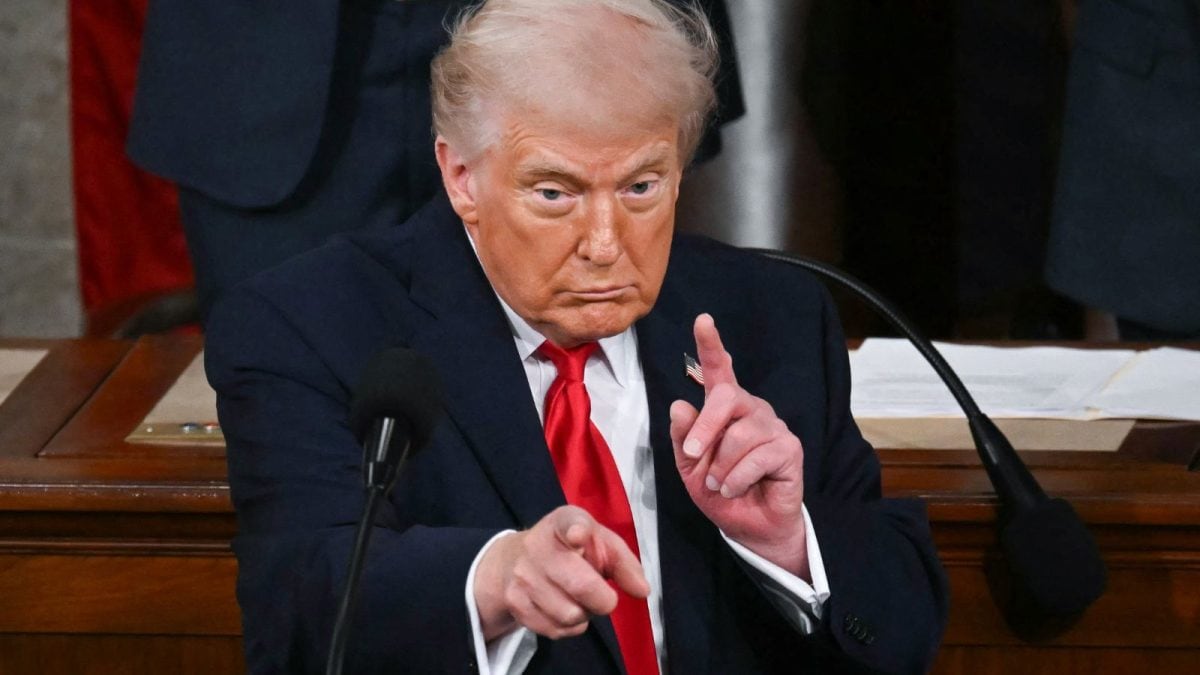
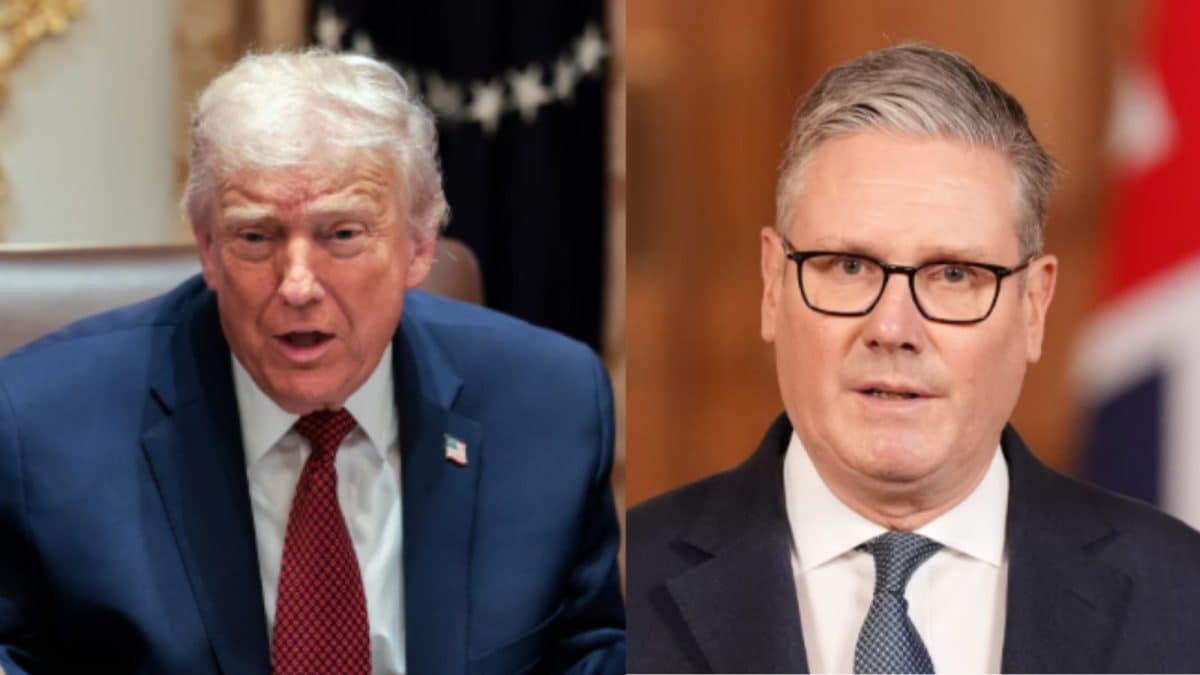
US President Donald Trump (IMAGE: REUTERS)
US President Donald Trump has escalated rhetoric against Cuba, calling the island nation a “failed nation" while revealing that Washington is already engaged in talks with Havana and may take further action soon. Speaking to reporters aboard Air Force One, Trump said the United States believes Cuba is eager to strike a deal and suggested that negotiations could either lead to an agreement or prompt other measures by Washington. However, he indicated that the ongoing war with Iran remains the immediate priority before any major move on Cuba.
Trump’s remarks come as Cuba grapples with a severe economic and energy crisis, worsened by tighter US pressure and disruptions to its oil supplies. Cuban President Miguel Díaz-Canel has confirmed that discussions with the United States are taking place, expressing hope that dialogue could ease tensions while safeguarding the country’s sovereignty. Washington, however, has signalled that any improvement in relations would depend on major political and economic changes in Cuba, leaving open the possibility of tougher action if negotiations fail.
Trump’s remarks have fuelled questions about why Cuba is suddenly back in Washington’s strategic spotlight, especially at a time when the United States is already deeply involved in the Middle East crisis. While tensions between the two countries have simmered for decades, the renewed focus on Havana reflects a mix of geopolitical calculations, regional politics in the Americas, and Cuba’s own worsening economic crisis. Here’s looking at reasons why Cuba is Trump’s next target after Iran:
Cuba Has Already Been Under Heavy US Pressure
One reason Cuba is back in focus is that the United States has already been steadily tightening pressure on the island well before the current Middle East crisis. The Donald Trump administration has reinstated Cuba on the US list of state sponsors of terrorism, a move that automatically triggers stricter sanctions and limits access to international finance. In addition, Washington has tightened restrictions on trade, travel and financial transactions, further isolating the Cuban economy. These measures are designed to squeeze Havana economically and diplomatically, increasing pressure on the government of Miguel Díaz-Canel.
The strategy reflects a broader attempt by Washington to force political and economic concessions from Cuba’s communist leadership. By escalating sanctions and cutting off financial lifelines, the US hopes to weaken the state’s ability to sustain itself while encouraging internal pressure for reforms. With the country already struggling with shortages of fuel, food and electricity, observers say the timing of renewed US pressure could be aimed at pushing Havana into negotiations from a position of vulnerability.
Cuba’s Deep Economic Crisis
Another major factor is the deep economic crisis currently gripping Cuba, which has made the island particularly vulnerable to external pressure. The country is facing one of its worst economic downturns in decades, marked by chronic fuel shortages, prolonged power cuts, and severe shortages of food and medicines. Much of the crisis has been worsened by reduced oil supplies and tighter US sanctions, which have strained Cuba’s already fragile economy and disrupted daily life across the island.
The deteriorating conditions have also sparked sporadic protests and growing public frustration, putting additional pressure on the government of Miguel Díaz-Canel. Against this backdrop, critics of Havana believe Washington may see the current moment as an opportunity to push for concessions or political changes. Donald Trump has repeatedly argued that Cuba’s leadership is struggling to keep the system afloat, suggesting that economic pressure could eventually force the government to negotiate on US terms.
Trump’s Broader Strategy
It also fits into the broader geopolitical strategy of the administration of Donald Trump, which has increasingly focused on confronting governments seen as hostile to Washington. In recent months, the United States has taken an aggressive stance against Iran in the Middle East, while continuing to apply pressure on left-leaning governments in Latin America. Within this framework, targeting Cuba is seen by many analysts as part of a wider effort to reshape the political landscape in the Western Hemisphere.
Cuba has long maintained close ties with governments that are critical of US influence, particularly Venezuela, with whom it shares deep political, economic and security cooperation. For decades, Havana and Caracas have supported each other diplomatically while opposing US policies in the region. Because of these alliances and Cuba’s ideological position, policymakers in Washington often view the island as a key pillar of the anti-US bloc in Latin America. Increasing pressure on Cuba, therefore, is seen as a way to weaken that network and reassert US influence closer to home.
Security Concerns Cited by US
Another reason cited by Washington is national security. Officials in the administration of Donald Trump argue that Cuba maintains close security and intelligence links with several US adversaries, which they say poses strategic risks given the island’s proximity to the American mainland. Located barely 150 kilometres from the US state of Florida, Cuba has long been viewed in Washington through a security lens, dating back to Cold War tensions and the Cuban Missile Crisis.
US officials have alleged that Havana allows foreign intelligence operations linked to countries such as Russia and China to operate from its territory, potentially enabling surveillance activities close to US soil. Washington has also claimed that the Cuban government maintains relationships with groups and governments considered hostile to US interests. While Havana has repeatedly rejected such accusations, these concerns continue to shape US policy and are often cited as justification for maintaining sanctions and stepping up pressure on the island.
The US-Cuba History
The tense relationship between Cuba and the United States dates back to the Cold War, when the island shifted sharply into the Soviet camp after the Cuban Revolution of 1959 led by Fidel Castro. Before the revolution, Cuba had close political and economic ties with Washington. But Castro’s rise brought sweeping socialist reforms and the nationalisation of US-owned businesses on the island, triggering a rapid deterioration in relations. The United States responded with economic sanctions and diplomatic isolation, setting the stage for decades of hostility.
Tensions escalated dramatically in 1962 during the Cuban Missile Crisis, when the Soviet Union secretly deployed nuclear missiles in Cuba. The discovery brought the world to the brink of nuclear war, as the United States imposed a naval blockade around the island and demanded the missiles be removed. Although the crisis was eventually defused through negotiations between John F Kennedy and Nikita Khrushchev, it cemented Cuba’s position as a key geopolitical flashpoint between Washington and its rivals.
In the decades that followed, relations remained largely frozen. The United States maintained a sweeping economic embargo on Cuba while Havana aligned itself politically and militarily with American adversaries. Although there have been brief periods of diplomatic thaw — most notably during the presidency of Barack Obama — mistrust has persisted, ensuring that Cuba continues to feature prominently in US strategic calculations even today.
Cuba, therefore, has long been a US adversary, and the current economic crisis, regional politics, and security concerns make it a strategic next pressure point for Washington after Iran.
First Published:
March 16, 2026, 12:50 IST
News world 'Failed Nation': Why Cuba Is Donald Trump's Next Target After Iran
Disclaimer: Comments reflect users’ views, not News18’s. Please keep discussions respectful and constructive. Abusive, defamatory, or illegal comments will be removed. News18 may disable any comment at its discretion. By posting, you agree to our Terms of Use and Privacy Policy.
Read More