 5 hours ago
From missile alerts to empty streets, a week in Dubai during the Iran conflict reveals a city caught between calm and crisis, where fear stays hidden and normalcy feels increasingly fragile. India Today reporter Ashutosh Mishra covers the Iran-Israel conflict from Dubai ground report.
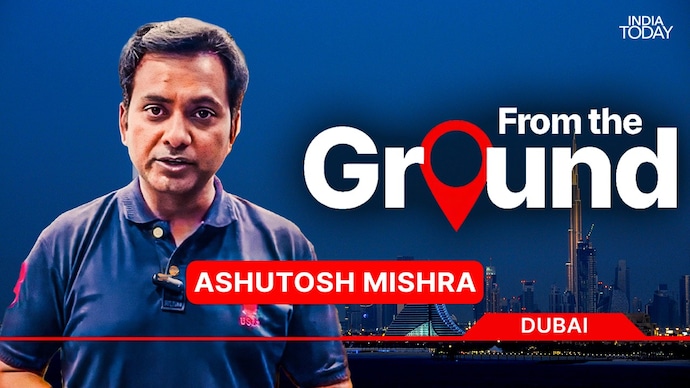
India Today reporter covers Iran Israel conflict from Dubai ground report.
As tensions between Iran, Israel and the US spill across West Asia, even cities known for stability are beginning to feel the strain. In Dubai, often seen as one of the world’s safest urban centres, an uneasy calm is taking hold. India Today’s Ashutosh Mishra spent a week on the ground, capturing a city that appears normal on the surface but is quietly grappling with uncertainty.
FROM BUSTLING CITY TO UNEASY SILENCE
I covered the Iran-US and Israel conflict from Dubai for a week, witnessing how a city known for its pace and energy gradually slipped into an unfamiliar silence.
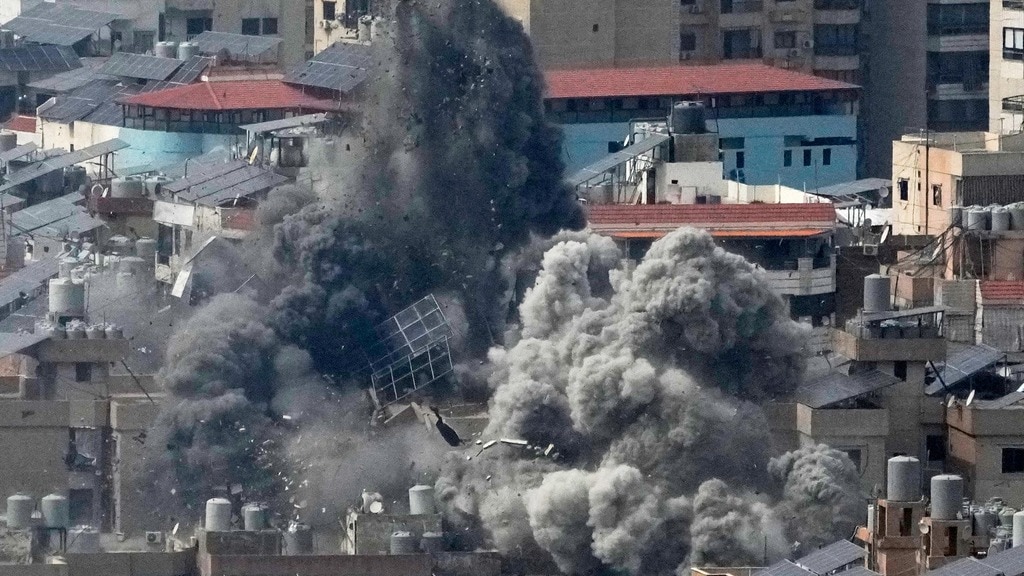
The Middle East has been gripped by war following attacks by the US and Israel on Iran. In retaliation, Iran has been targeting Gulf nations hosting US military infrastructure, whether naval fleets or air bases. The impact is now visible not just in physical damage but also in economic strain that could last long.
I travelled to the United Arab Emirates to report from ground zero. Cities like Dubai, Sharjah and Abu Dhabi, known for their oil wealth and global appeal, now appear concerned about what lies ahead. Repeated disruptions in airspace have begun affecting flights across the UAE.
With no direct flight available to Dubai or Abu Dhabi, I travelled via Oman. From Delhi, I reached Muscat and then undertook a road journey of over 400 kilometres.
At Muscat immigration, the questioning reflected the prevailing tension. At a time when many were leaving the Gulf, the arrival of an Indian journalist raised eyebrows.
After travelling nearly 300 kilometres, I reached the Oman-UAE border at Hatta. While residents crossed with relative ease, migrants faced lengthy immigration procedures. Just two days earlier, an Indian journalist had been detained here and denied entry into the UAE.
After document checks on the UAE side, I continued another 150 kilometres, finally reaching my hotel near Downtown Dubai at around 3:30 am.
There was an unusual quiet in Dubai’s air. At first, I thought it was because of the early hour. But even later, the calm persisted.
By 8 am local time, I stepped out to begin reporting. In Dubai, any visit begins with the Burj Khalifa. I reached there within ten minutes, driving on wide eight-lane roads that were unusually empty.
The reduced traffic reflected the tension. A week had passed since Iran’s attacks began, and the UAE did not seem prepared for the scale or duration of the conflict.
At Dubai Mall, one of the busiest commercial centres, the absence of crowds was striking. Even by late morning, footfall remained low. Most people present were not locals.
As I began recording near Burj Khalifa, security personnel stopped me.
“You cannot report here with a microphone,” they said.
I showed them my UAE-issued permit, but they refused to allow reporting at that spot. To avoid escalation, I moved elsewhere and continued my coverage.
Soon after, a missile and drone alert flashed on my phone, advising people to move to safe locations. Unlike Israel or Ukraine, there were no air raid sirens or visible bunkers. Despite the alert, people did not appear panicked.
When I spoke to people, most hesitated to comment. Some feared that speaking openly could land them in trouble.
Many said the threat was not immediate but admitted there was concern about the attacks. On camera, people projected calm, but off camera, anxiety was evident.
By afternoon, reports emerged that authorities would act against those sharing sensitive visuals or misinformation.
At around 3 pm, while I was broadcasting live, police arrived. They stopped my reporting and took my phone for inspection.
They questioned my credentials and checked my permit. For a country where media operates under strict limits, my presence raised suspicion.
After nearly two hours of verification, they found nothing objectionable and allowed me to leave.
The next day, reports emerged of drone and missile strikes near Dubai Airport and parts of Abu Dhabi.
Hotels began to empty. Breakfast areas that were once crowded had very few people.
Security checks intensified. Even attempting to film near sensitive areas like airports or exhibition centres led to immediate intervention by authorities.
Despite everything, parts of Dubai continued functioning. In areas like Bur Dubai, people gathered after iftar, sharing meals and conversations.
Yet, traffic thinned, markets slowed, and tourists left. Social media campaigns promoting safety gained traction, even as restrictions tightened on sharing ground realities.
Business owners expressed concern about the long-term impact. The UAE depends heavily on imports, and disruptions in maritime routes raised fears of shortages.
While the government maintained there was no scarcity, advisories against hoarding began to circulate.
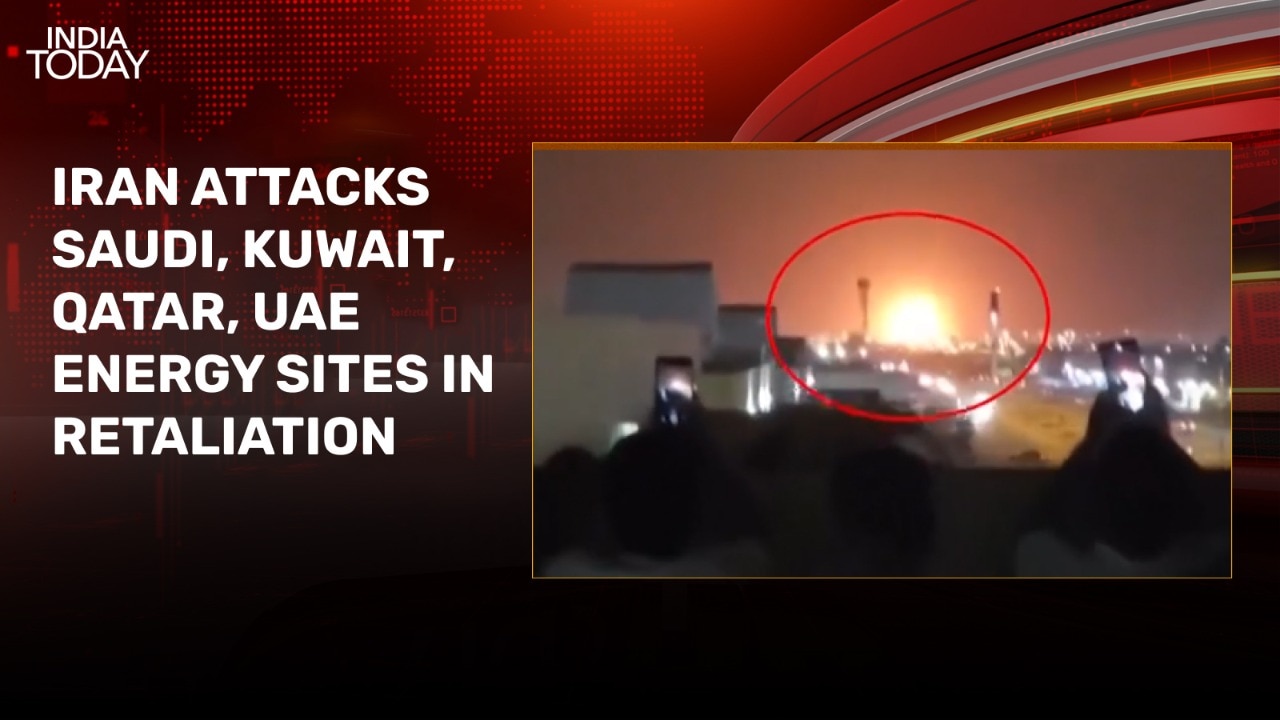
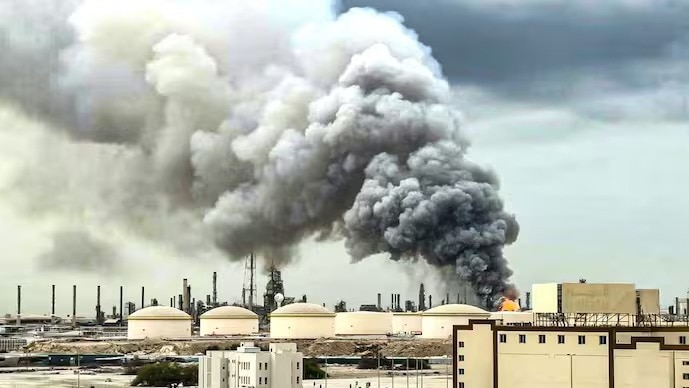
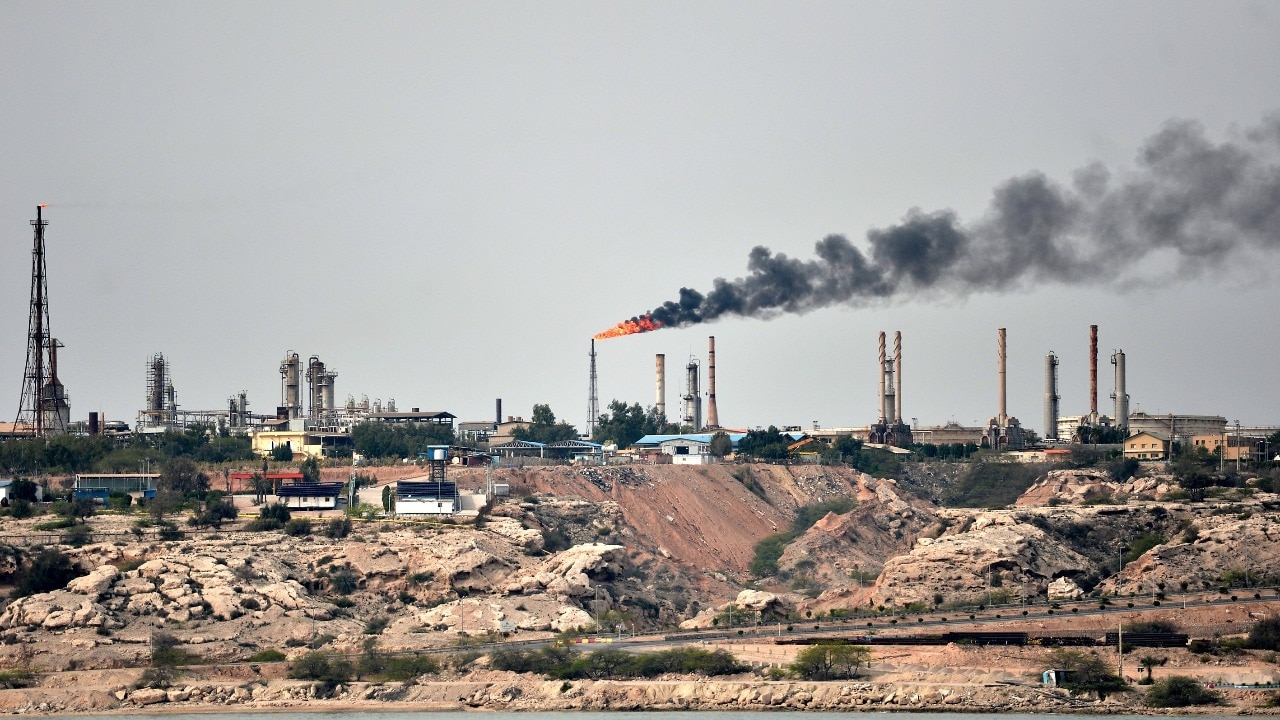
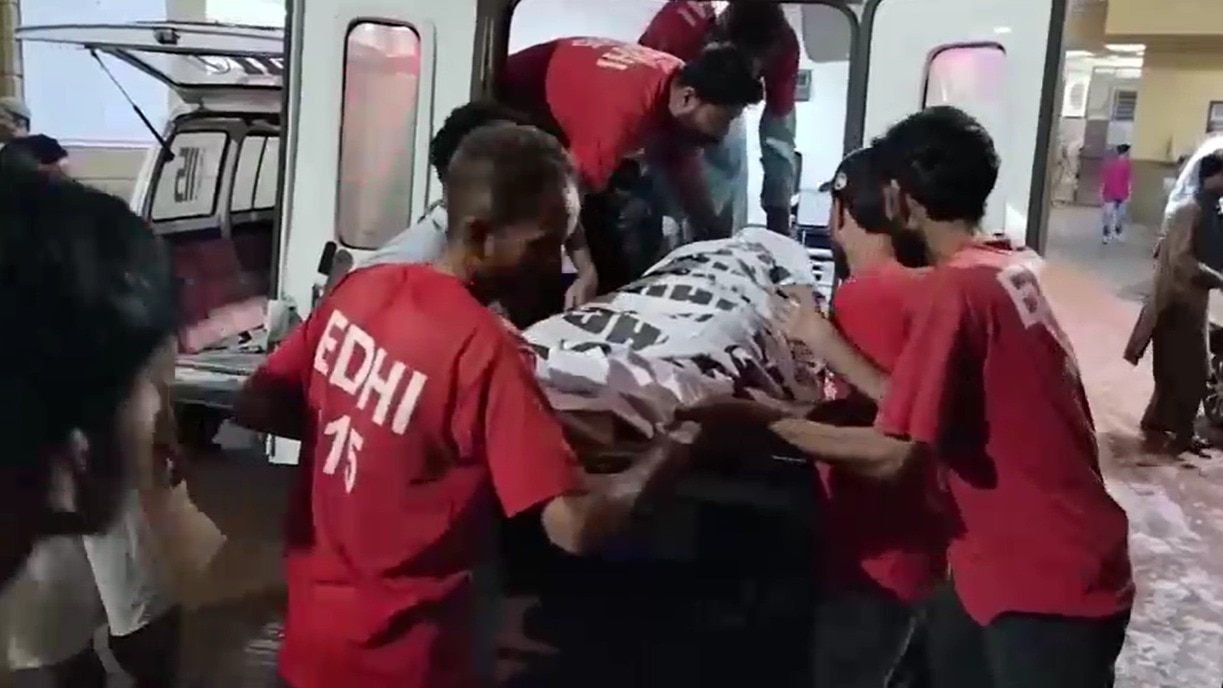
Oil facilities were affected, air routes disrupted, and even defence operations saw casualties, with two UAE air force officers killed while intercepting drones.
During my coverage, it became clear that reporting in Gulf countries under such conditions is not easy. Sharing visuals of damage or attacks could invite strict action.
Even though international media is present, I did not see many reporters on the ground. Over seven days, I travelled across cities, spoke to residents, and documented the unfolding situation despite restrictions.
After a week of reporting, I returned to India via the same road route through Oman.
What stayed with me was not just the conflict, but the contrast - a city known for its vibrancy learning to live with uncertainty, where silence often speaks louder than words.
- Ends
Published By:
Sonali Verma
Published On:
Mar 19, 2026 10:15 IST