 3 hours ago
Last Updated:December 24, 2025, 13:08 IST
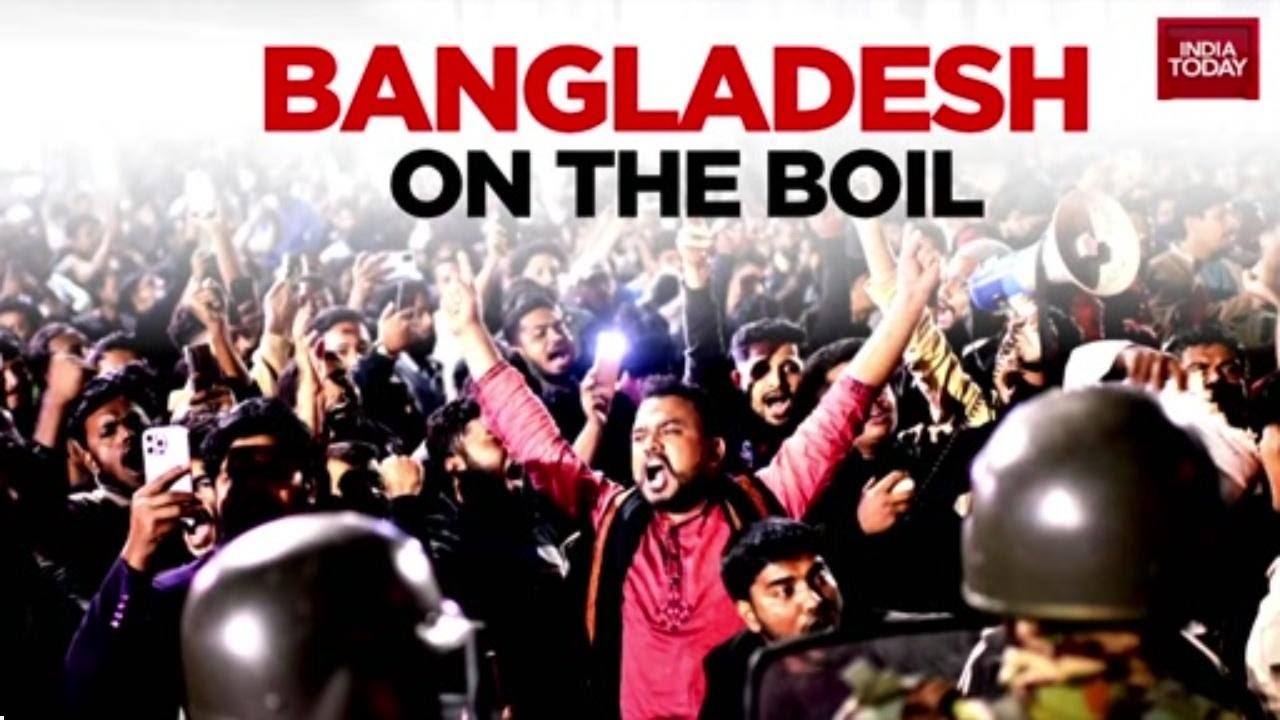
Unrest after Sharif Osman Hadi’s killing has pushed Bangladesh into a volatile pre-poll phase, casting a shadow over the February 12 elections.

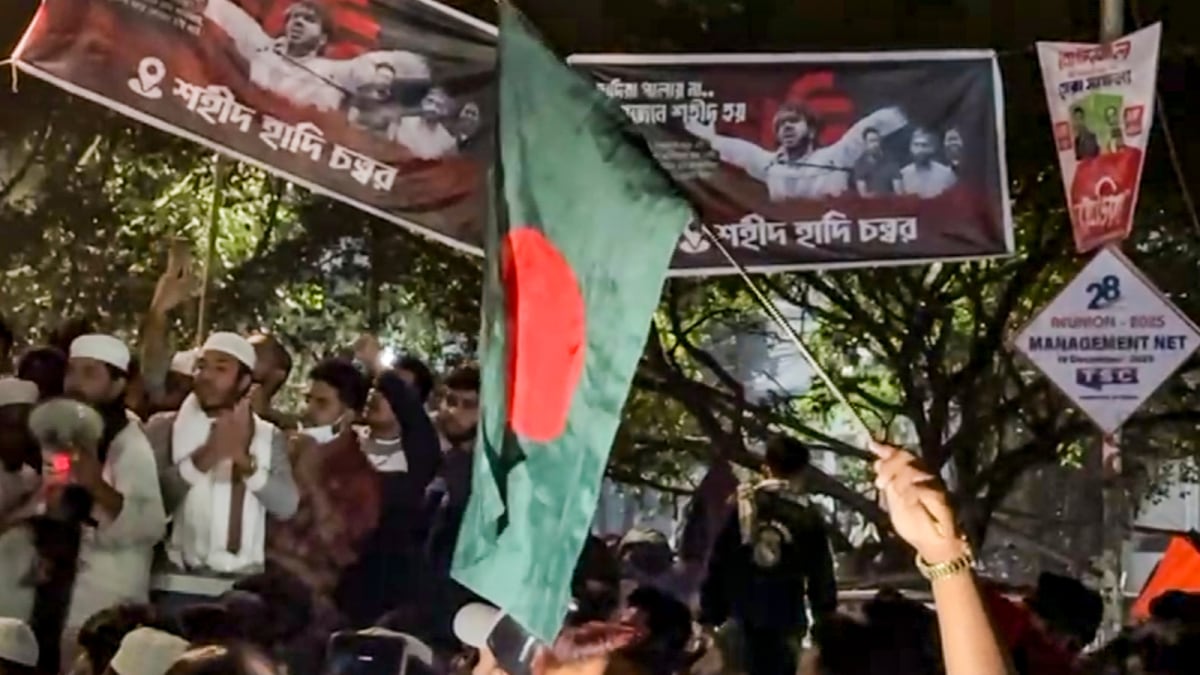
People stage a protest over the death of Sharif Osman Hadi, one of the key leaders in the Bangladesh student uprising, in Dhaka, Bangladesh. (Image: PTI)
Bangladesh was attempting to return to a semblance of political stability when the Election Commission announced February 12 as the date for the country’s first national polls since Sheikh Hasina’s ouster. But the shooting and subsequent death of 32-year-old student leader Sharif Osman Hadi has reopened a volatile chapter.
The unrest that followed has not only triggered violence across multiple districts but has also created an atmosphere in which every political actor is framing the crisis to its advantage. While the interim government insists the elections will go ahead as scheduled, sections of the Opposition say the situation may derail the process, and Bangladesh’s street politics has turned combustible once again.
The competing claims, accusations and demands have shaped a narrative that the February polls could come under a shadow. As violence spreads, including a disturbing lynching of a Hindu man in Mymensingh and attacks on diplomatic and media establishments, Bangladesh’s fragile transition is once again in question.
What Sparked The Latest Unrest?
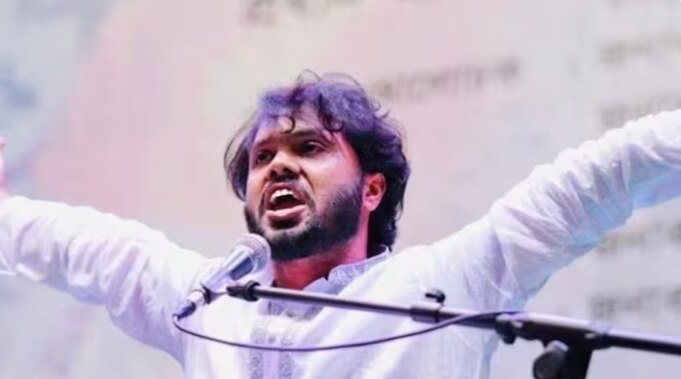
The fresh wave of turmoil began with the December 12 shooting of Sharif Osman Hadi, a spokesperson for the Inqilab Mancha, or Platform for Revolution. He had been a prominent figure in the student-led uprising that contributed to Sheikh Hasina’s collapse from power last year. Hadi was shot in the head by masked assailants on a motorcycle in central Dhaka’s Bijoynagar area, at an event launching his campaign for the February elections. He succumbed to his injuries on December 18 while undergoing treatment in Singapore.
The killing occurred a day after the Election Commission declared the poll schedule. It immediately ignited large protests, vandalism and targeted anger on the streets. Demonstrators attacked media offices, including The Daily Star and Prothom Alo, and attempted to march on Indian diplomatic premises. India temporarily shut its visa application centre and summoned the Bangladesh envoy, urging Dhaka to ensure the security of its missions.
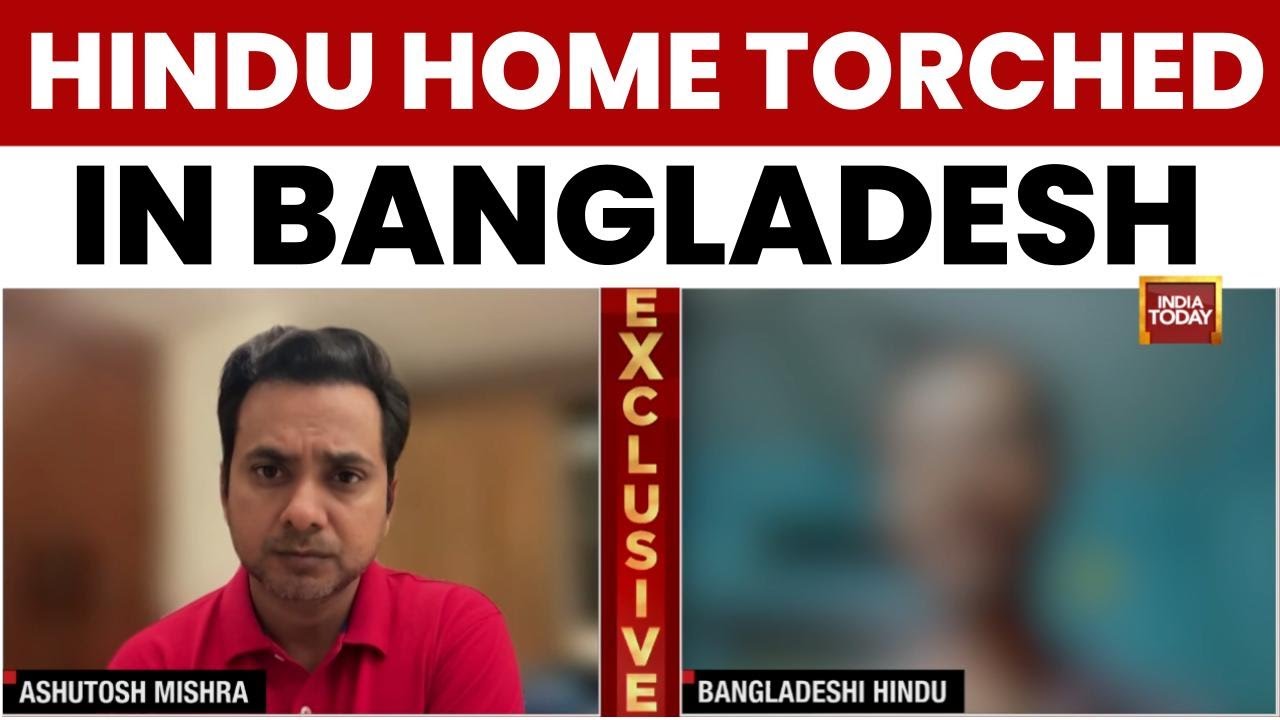
The unrest also took a communal turn, with the lynching of a Hindu man, Dipu Chandra Das, whose body was tied to a tree and set ablaze. Alongside attacks on journalists and protests outside Indian missions, these incidents underscored how quickly political violence in Bangladesh can metastasise into broader insecurity.
How Is Inqilab Mancha Positioning The Crisis?
Inqilab Mancha, once at the forefront of last year’s anti-Hasina agitation, is now grappling with a crisis within its own leadership. The group initially demanded a 24-hour ultimatum for visible progress in the investigation. Its convenor’s killing has created internal fissures and a struggle to distance itself from radical elements that infiltrated the protests.
The organisation said that these groups “want to turn Bangladesh into a dysfunctional state through vandalism and arson" and endanger “the independence and sovereignty" of the country.
Hadi’s brother, Sharif Omar Hadi, has taken a more confrontational stance. He has accused members of the Muhammad Yunus–led interim government of bearing responsibility for the killing and has alleged that efforts were underway to “sabotage" the upcoming election. He said the interim administration could not escape liability because the murder occurred under its watch and added that the killers must be brought to justice before the election and referendum. At the same time, Omar Hadi insisted that his brother had wanted elections in February and that the attack was intended to obstruct that process.
What Is The Interim Government Saying?
Yunus has reaffirmed that the elections will be held on February 12. The administration has also announced that the murder case will be taken up by the Speedy Trial Tribunal, with Law Adviser Asif Nazrul stating that the trial must be completed within 90 days of the police submitting their investigation report under Section 10 of the relevant Act.
But Yunus’s government is under pressure. It has been criticised for being unable to restrain mobs that attacked media outlets and for appearing reactive rather than in control. Yunus’s press adviser apologised publicly for the government’s failure to protect the media, calling the attacks a moment of shame. Some critics claim that radicals have become emboldened under the interim setup, seizing the momentum of public unrest.
Police have said they are actively trying to locate the prime suspect, Faisal Karim Masud, but have “no specific information" about his last location, adding that there is no reliable evidence yet that he left the country. Additional IGP Khandaker Rafiqul Islam cautioned that criminals often spread rumours about their whereabouts and said no concrete evidence had emerged linking any political party to the murder. Detective Branch chief Shafiqul Islam said that prima facie the killing appeared to be politically motivated, though investigators were examining all possible angles.
BNP, Tarique Rahman And The Question Of Political Stakes
The Bangladesh ist Party (BNP), long at odds with Hasina’s Awami League and now navigating a new political landscape, sees the unrest as symptomatic of deeper instability. The party has said the situation may “derail" the elections, framing the violence as a failure of the interim administration’s ability to maintain order.
Its acting chairman, Tarique Rahman, is set to return to Bangladesh after 17 years in exile. He has been acquitted of the most serious charge against him, a life sentence handed down in absentia for a 2004 grenade attack, and BNP leaders have called his return a “fantastic day". His re-entry into the domestic arena adds another layer of uncertainty. BNP rhetoric is now positioned around reclaiming political space, presenting itself as the force capable of restoring democratic order, even as questions about its own internal coherence and past controversies continue to loom.
BNP figures have linked the violence directly to attempts to obstruct the election. Standing Committee member Salahuddin Ahmed described the attacks on media houses as a “planned attempt" to disrupt the national polls.
What About Awami League And Its Absence From The Ballot?
A crucial element in the emerging narrative is the exclusion of the Awami League from contesting the elections. India, in its official statement, has repeatedly insisted on the importance of “free, fair, inclusive and credible" polls, a formulation that essentially signifies the inclusion of Awami League. The interim government, by contrast, has spoken only of creating an environment of the “highest standard", avoiding the question of inclusion.
Critics and observers in Dhaka have pointed out that without the Awami League’s participation, the election’s legitimacy will be questioned by international partners, including Delhi. This tension has fed into the political messaging around the unrest, with various actors suggesting that the violence benefits those who stand to gain from a weakened electoral field.
India’s Concerns And The Regional Dimension
New Delhi has rejected the narrative that it played any role in recent events and has demanded adequate security for its personnel.
India’s concerns are also strategic. Bangladesh’s stability is intertwined with the security of the north-eastern states, and any resurgence of radical or separatist elements could undermine gains made since 2009.
India is watching whether the interim administration can re-establish law and order swiftly enough to ensure a peaceful campaign environment.
Is The Election In Jeopardy?
While no authority has formally suggested postponing the election, the convergence of political violence, communal tensions, diplomatic strain and rising radical mobilisation has created a narrative that the polls may face profound challenges. Parties across the spectrum are using this turbulence to frame their own positions.
The volatility has revived uncomfortable questions about the nature of political contestation in Bangladesh and the powerful undercurrents that shape its elections. The next few weeks will determine whether the interim government can restore calm and whether political actors can separate electoral competition from street confrontation. For now, Bangladesh stands at a moment when political messaging, public anger and institutional fragility are colliding, and the February 12 polls carry the weight of all three.
First Published:
December 24, 2025, 13:08 IST
News explainers How Violence, Radical Infiltration And Blame Games Are Casting A Shadow Over Bangladesh Elections
Disclaimer: Comments reflect users’ views, not News18’s. Please keep discussions respectful and constructive. Abusive, defamatory, or illegal comments will be removed. News18 may disable any comment at its discretion. By posting, you agree to our Terms of Use and Privacy Policy.
Read More