 1 month ago
Iran denied any plan to transfer enriched uranium to the US, contradicting Trump's claims, as both sides continue negotiations amid disagreements over nuclear material and ongoing military and maritime pressure.
Iran’s foreign ministry on Friday flatly rejected claims by US President Donald Trump that the Islamic Republic had agreed to hand over its nuclear material.

UPDATED: Apr 18, 2026 05:28 IST
Even as Washington and Tehran signal progress toward a potential deal, a core issue remains sharply contested - what happens to Iran’s enriched uranium.
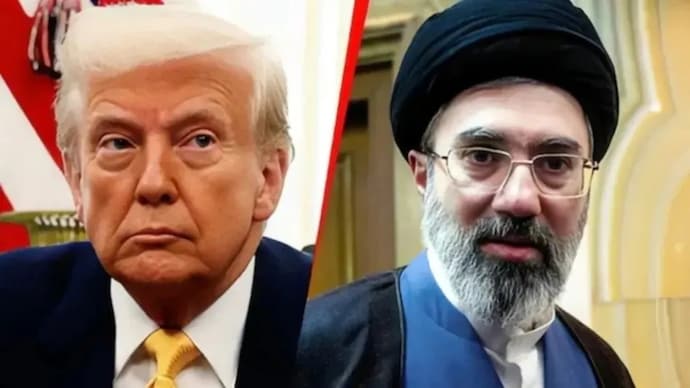
Iran’s foreign ministry on Friday flatly rejected claims by US President Donald Trump that the Islamic Republic had agreed to hand over its nuclear material.
“Iran’s enriched uranium is not going to be transferred anywhere,” foreign ministry spokesman Esmaeil Baqaei said on state television, drawing a clear red line in ongoing negotiations.
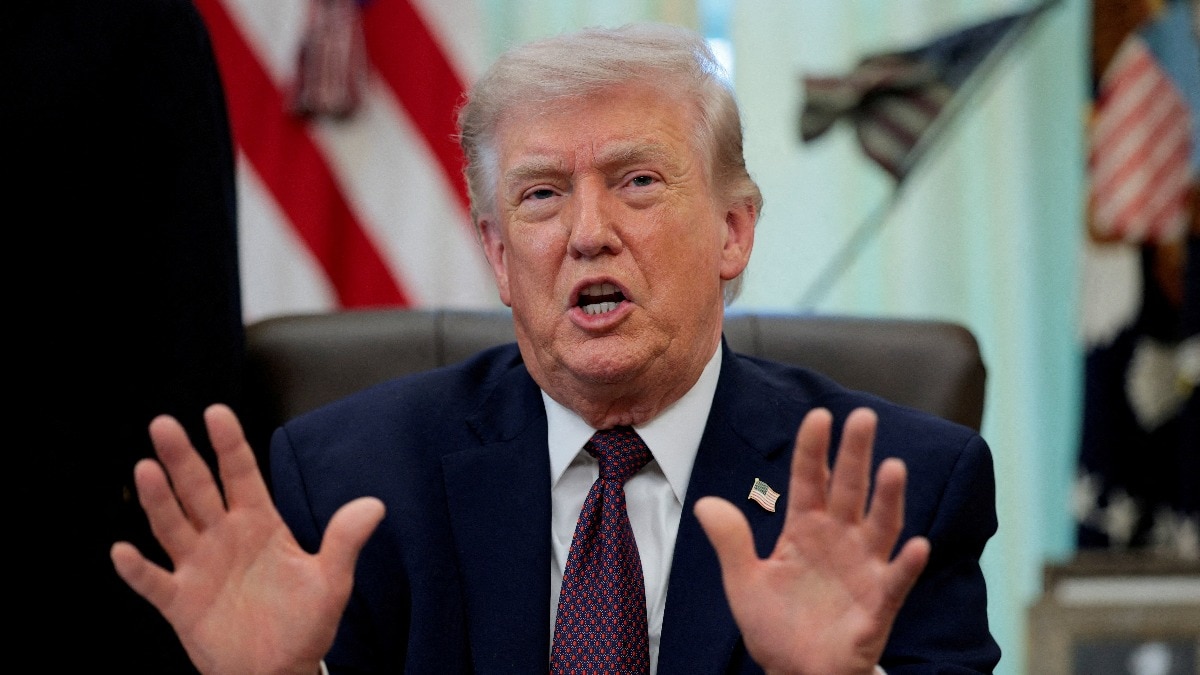
The denial came hours after Trump suggested the United States would take control of what he described as Iran’s remaining nuclear material.
“The USA will get all Nuclear ‘Dust,’ created by our great B2 Bombers,” he wrote on Truth Social, referring to residual material after strikes on Iranian nuclear sites last year.
Speaking to Reuters, Trump doubled down on the claim, saying the US would work with Iran to recover enriched uranium. “We’re going to go in with Iran start excavating with big machinery We’ll bring it back to the United States,” he said, adding that the process would begin “very soon.”
He also dismissed reports of a financial arrangement, insisting: “No money is changing hands.”
A CORE STICKING POINTS IN TALKS
The fate of Iran’s nuclear stockpile – estimated at more than 900 pounds enriched up to 60% – remains one of the most sensitive issues in US-Iran negotiations.
Washington has framed the conflict partly around preventing Iran from acquiring nuclear weapons capability. Tehran, however, maintains that its nuclear programme is for peaceful civilian purposes.
Baqaei’s remarks suggest Iran is unwilling to compromise on sovereignty over its nuclear material, even as broader negotiations continue.
MIXED SIGNALS AMID FRAGILE DIPLOMACY
Despite the disagreement, both sides have signalled optimism about a potential deal. Trump said talks with Iran are progressing well and could resume “probably over the weekend,” adding: “I think the deal will go very quickly.”
At the same time, the US has maintained pressure. Trump confirmed that a naval blockade targeting Iranian shipping would remain in place until an agreement is finalised.
Iran has responded with warnings of “reciprocal measures” if the blockade continues.
HORMUZ REOPENS, BUT UNCERTAINTY LINGERS
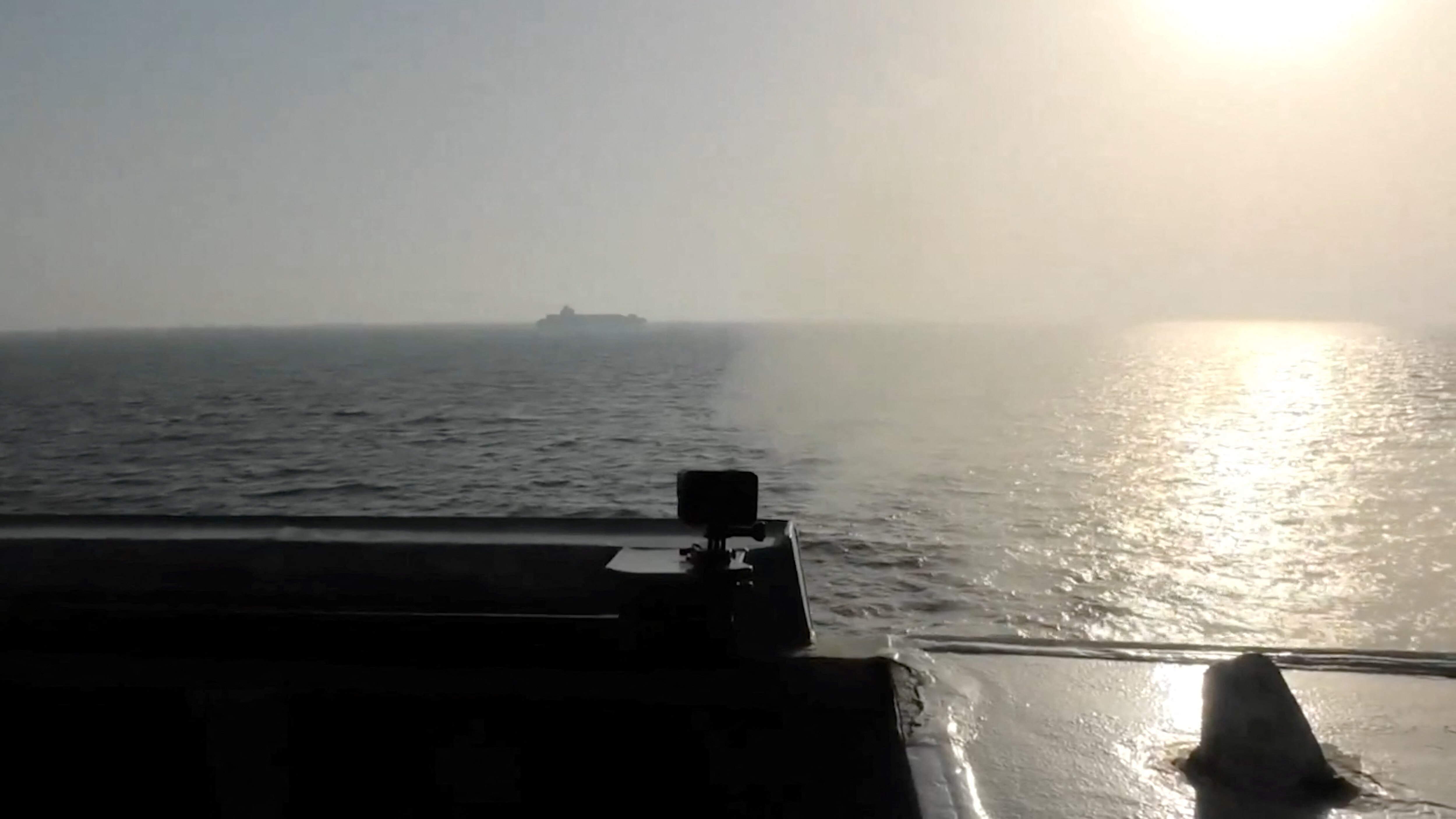
The diplomatic push comes alongside tentative de-escalation on the ground. Iran’s Foreign Minister Abbas Araghchi said the Strait of Hormuz is open to commercial vessels during a 10-day ceasefire linked to fighting between Israel and Hezbollah.
However, confusion persists. Trump claimed the route was fully open, while also maintaining restrictions on Iranian-bound shipping. Shipping data showed around 20 vessels moving toward the strait, but it remained unclear whether they would pass freely.
- Ends
With inputs from Reuters
Published By:
Nitish Singh
Published On:
Apr 18, 2026 05:28 IST
Tune In