 1 month ago
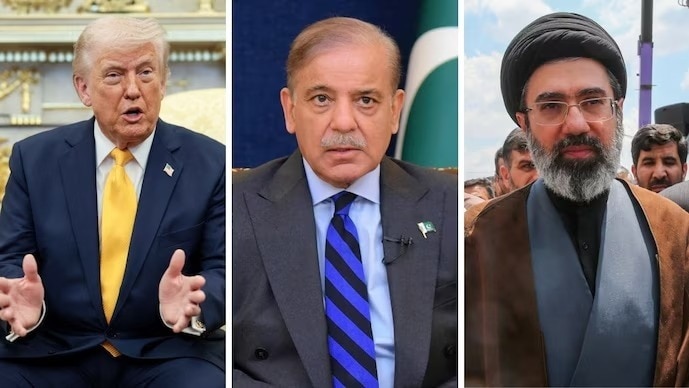
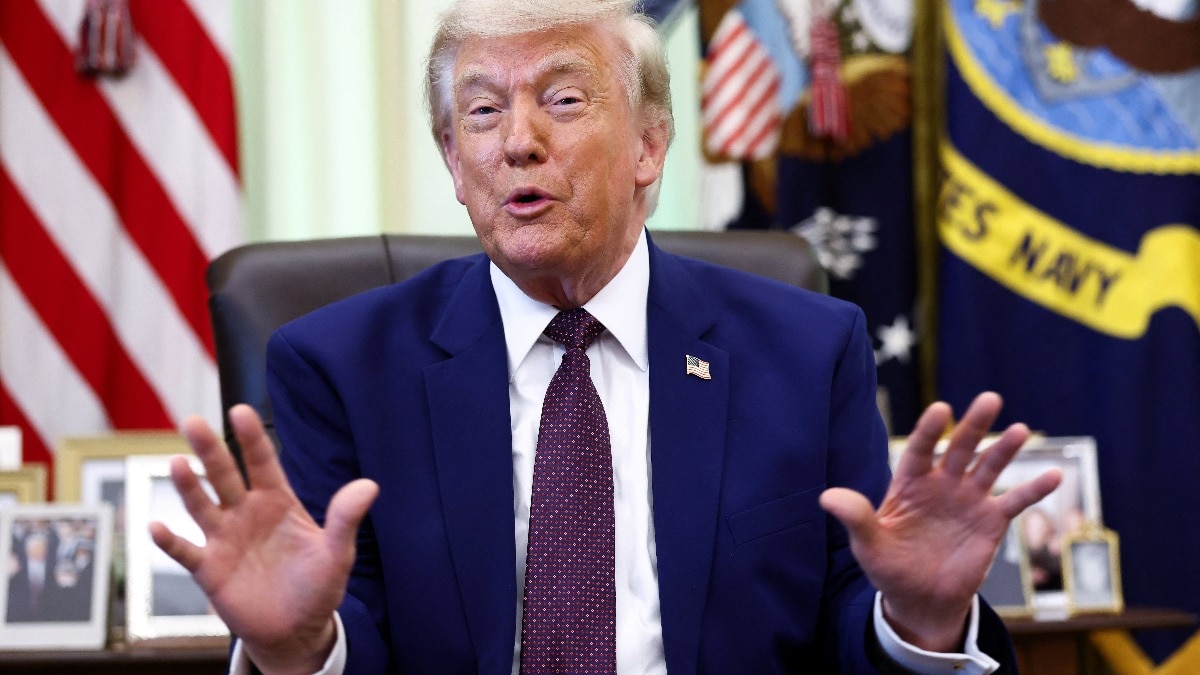
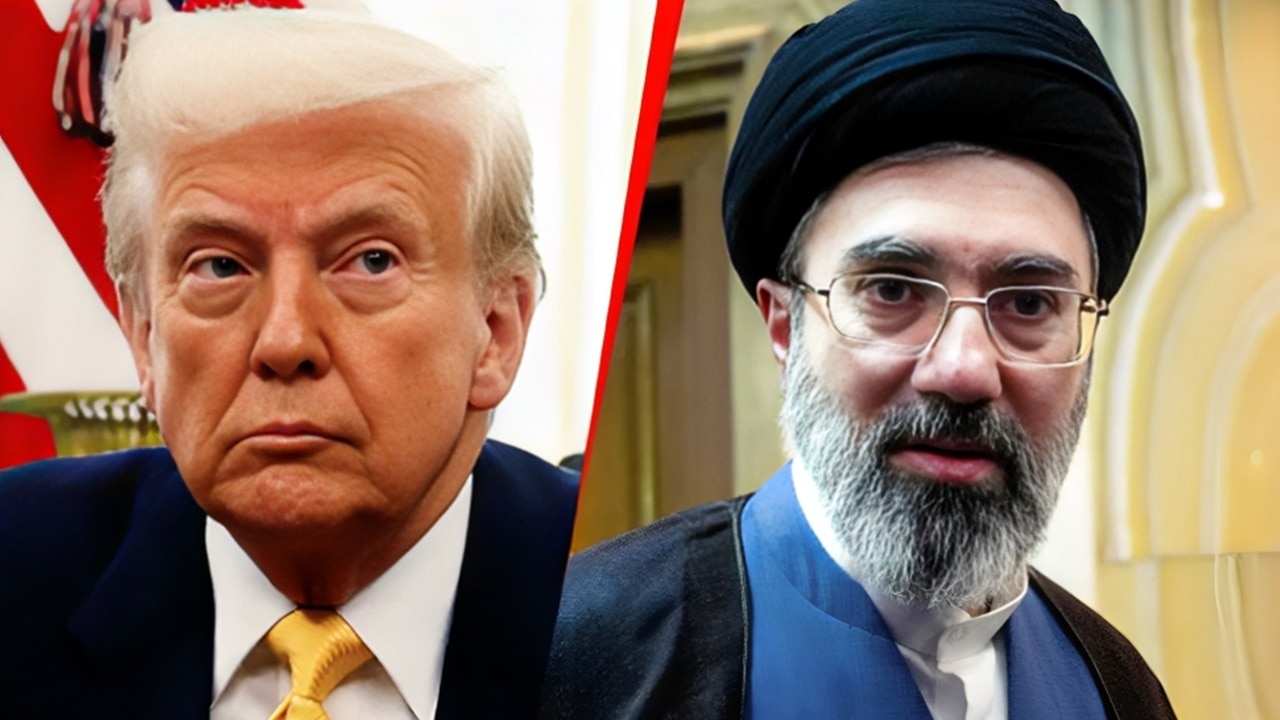
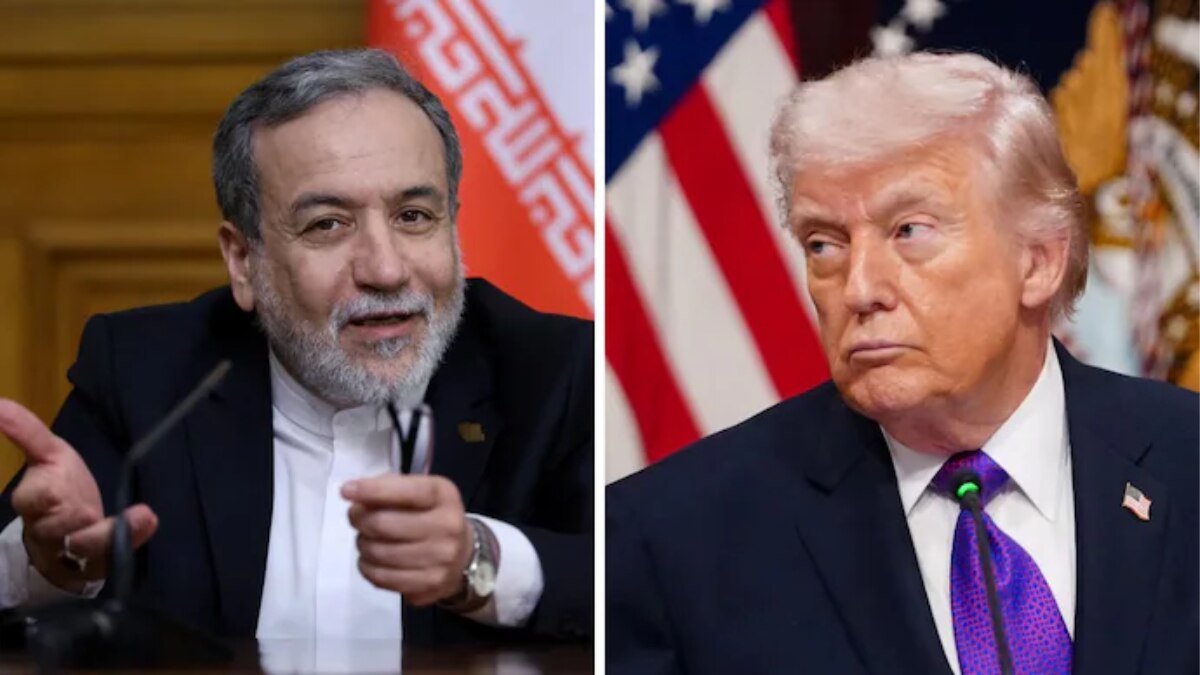
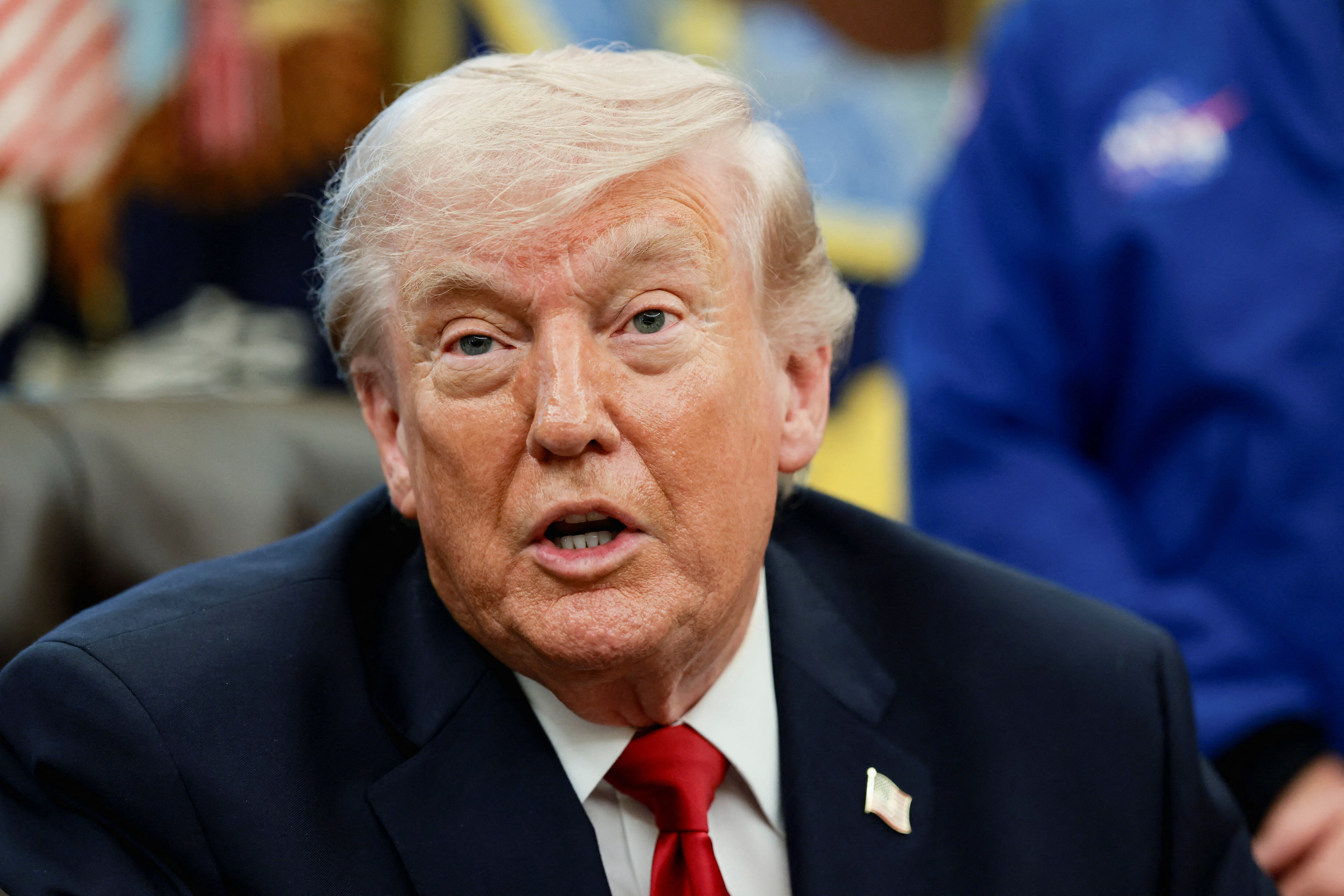
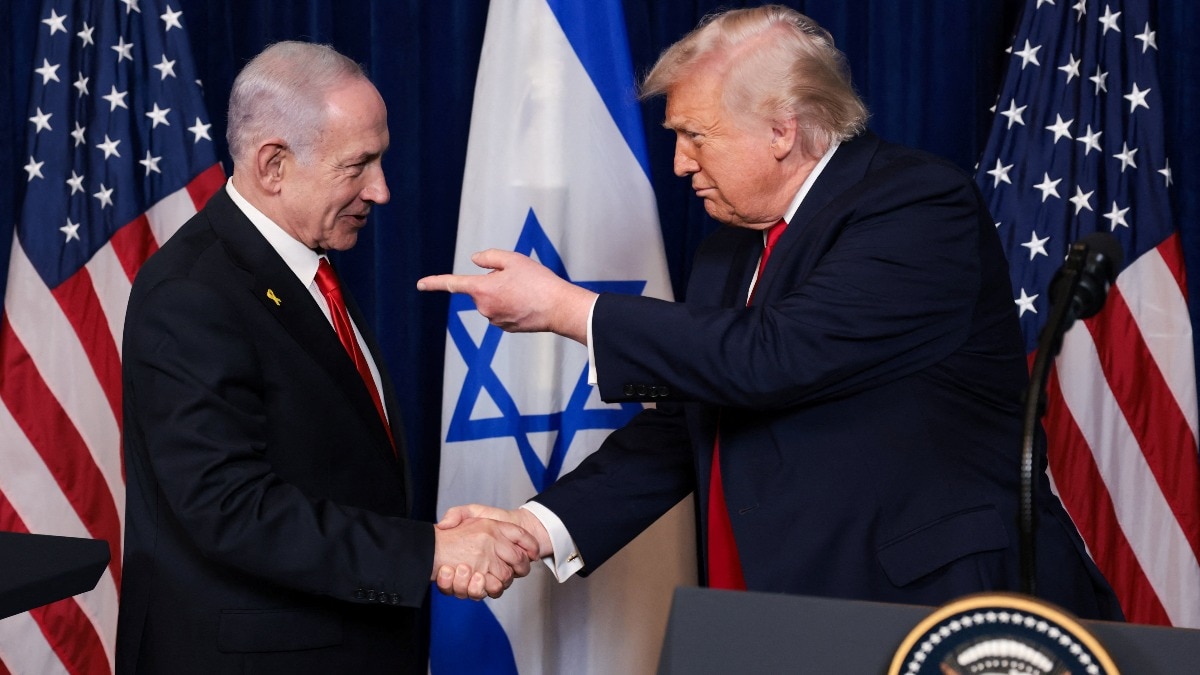
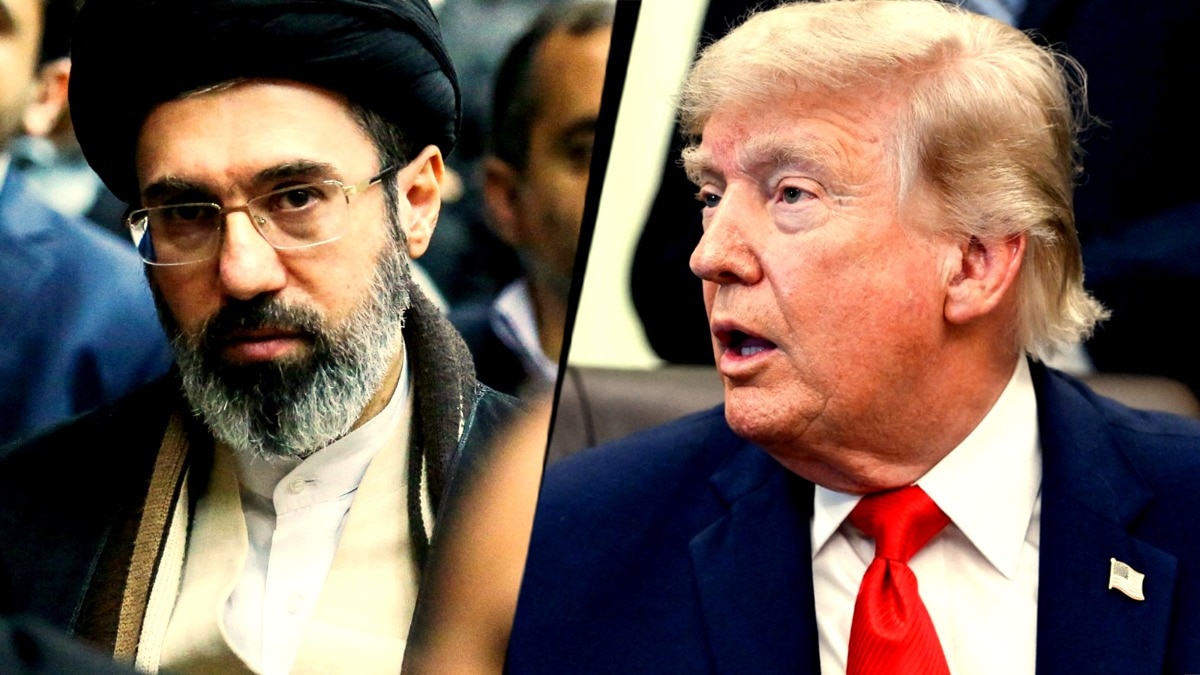
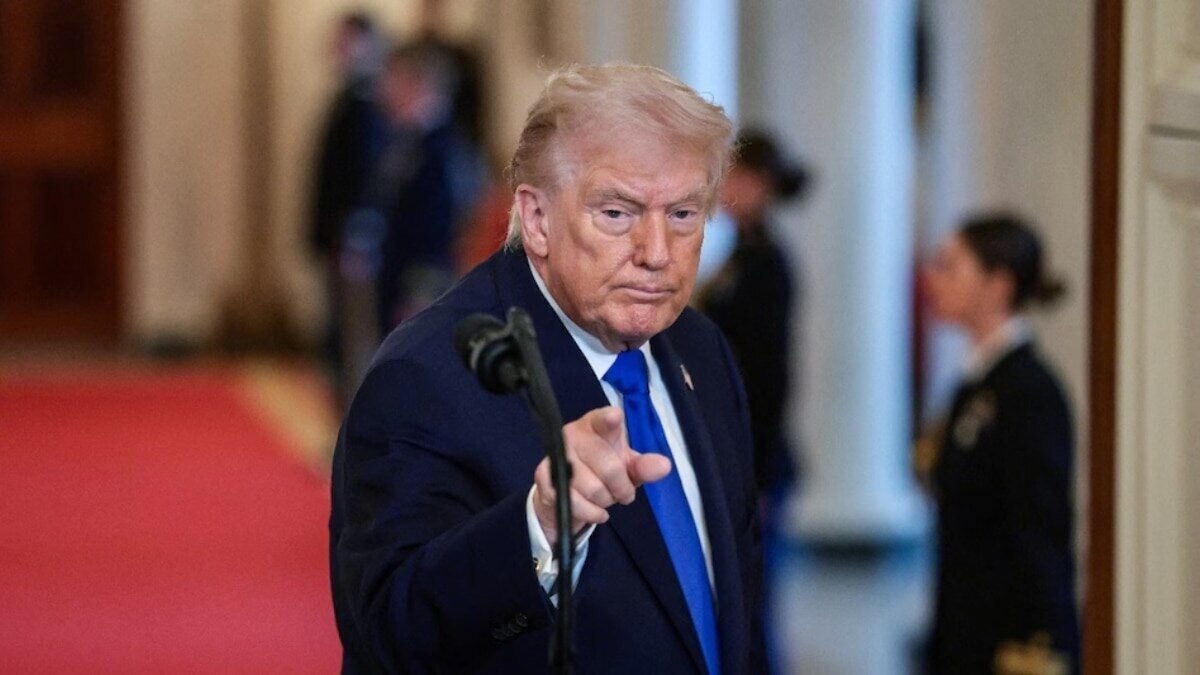
Announcing the extension of the ceasefire with Iran, US President Donald Trump claimed that the “government of Iran is seriously fractured” in the American military campaign, adding that the US was allowing time for “their leaders and representatives” to arrive at a unified position, without naming any figures in Tehran, even as he referred to leaders from the mediator country. However, developments within Iran point less to a fractured system and more to a reconfigured one, where power appears to be consolidating decisively within a hardline military-security core. This shift is increasingly reflected in Tehran’s reluctance to commit to a second round of talks.
Following the first round of negotiations between the United States and Iran in Islamabad, Iran’s Foreign Minister and chief negotiator, Abbas Araghchi, declared that the Strait of Hormuz, effectively controlled by the Iranian military, will remain “completely open”. He also signalled that Tehran could show flexibility on contentious issues such as nuclear enrichment and its support for regional proxies.
But the messaging was swiftly reversed.
The negotiating team was reportedly recalled to Tehran, and Araghchi came under sharp criticism from state-run media, which said his remarks had “provided the best opportunity for Trump to go beyond reality, declare himself the winner of the war and celebrate victory.” Soon after, Iran’s armed forces declared that the Strait had been closed again, citing the continued US naval blockade.
Rather than signalling a system in disarray, this episode points to a tightly coordinated establishment comprising the Islamic Revolutionary Guard Corps (IRGC), the Supreme Security Council (SNSC) and allied political figures with deep military ties, with the recently-elevated IRGC chief Ahmad Vahidi emerging as a central figure, assisted by security chief Mohammad Bagher Zolghadr.
Contrary to the perception of a divide between civilian and military leadership, experts argue that Iran operates as an integrated system in which diplomacy and military strategy are closely intertwined.
THE IRGC: FROM GUARDIAN TO POWER CENTRE
The Islamic Revolutionary Guard Corps (IRGC), established after the 1979 Islamic Revolution to safeguard the regime, has evolved into Iran’s most powerful institution. Today, it functions not only as a military force but also as an intelligence network, economic conglomerate, and regional power broker, exerting influence across Lebanon, Iraq, Syria, and Yemen through allied groups.
Its Basij force enforces domestic control, while the elite Quds Force oversees overseas operations.
Decades of sanctions and conflict have strengthened, rather than weakened, the IRGC, enabling it to build parallel economic and political structures that increasingly rival, and often overshadow, formal state institutions.
Analysts now describe Iran less as a state with a powerful military and more as a military-security system with a state layered around it.
While civilian leaders such as President Masoud Pezeshkian, Parliament Speaker Mohammad-Bagher Ghalibaf, and Foreign Minister Abbas Araghchi remain the public face of governance, analysts say their roles are increasingly limited to implementing decisions shaped within the security establishment.
AHMAD VAHIDI: AT THE CENTRE OF POWER
At the heart of this evolving structure is Ahmad Vahidi, the current chief of the IRGC, who has emerged as one of the most influential figures in Iran.
A founding member of the Guards and a former commander of the Quds Force, Vahidi represents the hardline, security-first faction within the establishment. Elevated after his predecessor was killed early in the conflict, he has since consolidated authority across the security apparatus.
Analysts describe him as embodying the most hardline and militant strand of Iran’s leadership, with influence extending beyond military operations into strategic decision-making, including ceasefire negotiations and escalation policies.
Vahidi is also seen as one of the key architects behind Iran’s network of allied militias and proxy groups, particularly in Lebanon and across West Asia, forming part of the broader strategy to export the Islamic Revolution.
According to experts, his network, which includes senior IRGC figures and security council officials such as Mohammad Bagher Zolghadr, effectively defines the red lines of Iran’s diplomacy, including preserving its missile programme, nuclear capabilities, and regional alliances.
He remains under sanctions from the United States, the European Union, and Canada over alleged links to terrorism and nuclear activities.
CIVILIAN LEADERSHIP CONSTRAINED
The growing dominance of the IRGC has significantly curtailed the autonomy of Iran’s civilian leadership.
President Pezeshkian and Foreign Minister Araghchi continue to engage in diplomacy, but their room for manoeuvre appears limited. The Hormuz episode, where Araghchi’s remarks were quickly overridden, underscored these constraints.
Similarly, Speaker Ghalibaf’s prominence reflects not just his parliamentary role but his standing within the broader security establishment, given his IRGC background.
Even Supreme Leader Ayatollah Mojtaba Khamenei, who assumed office following his father’s death, is seen by some analysts as operating within a collective leadership framework rather than exercising unchecked authority. His relatively low public profile has further fuelled perceptions of a system driven by consensus among security elites.
With several senior leaders killed during the conflict and traditional institutions weakened, the Guards have further consolidated control over both military operations and political decision-making. Vahidi, in particular, is increasingly seen as the figure “calling the shots,” with analysts warning that his rise could steer Iran toward a more confrontational posture.
- Ends
Published On:
Apr 22, 2026 11:58 IST
Tune In