 1 hour ago
Last Updated:March 13, 2026, 18:37 IST
The islands of Abu Musa, Greater Tunb, and Lesser Tunb in the Persian Gulf hold the key to the global economy's most vital chokepoint: the Strait of Hormuz


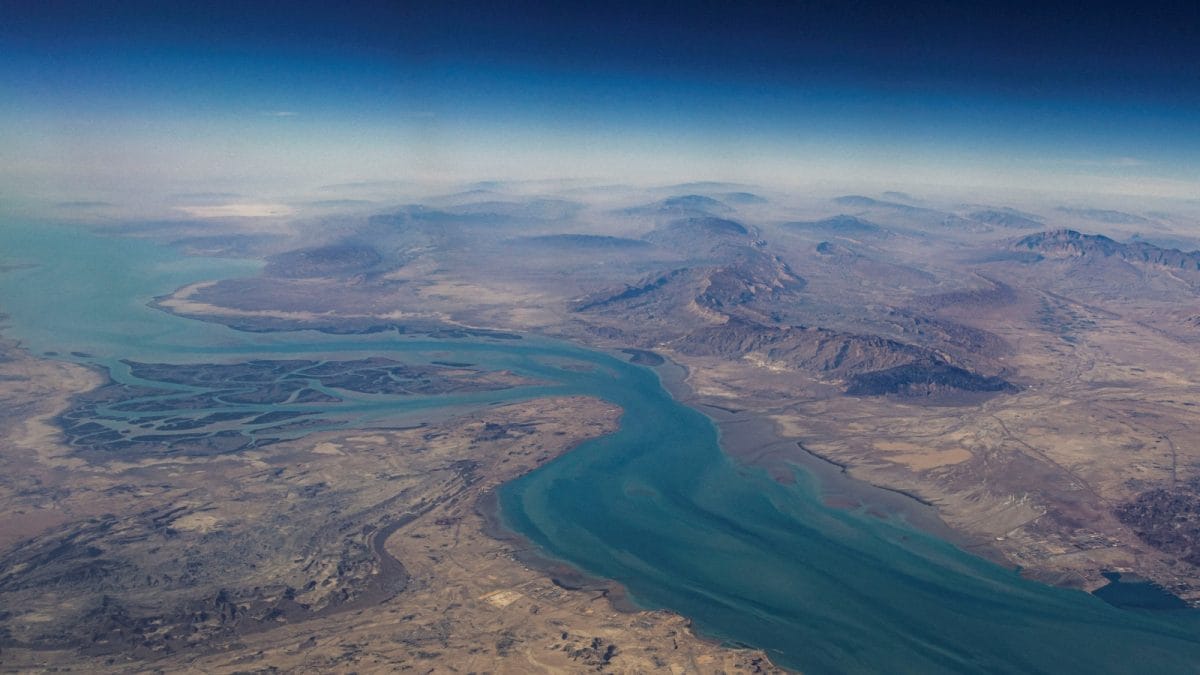
The US-Israel vs Iran war has cut off energy supplies in the Strait of Hormuz. (Representational image/Reuters)
In the current landscape of the West Asia conflict, the islands of Abu Musa, Greater Tunb, and Lesser Tunb have transformed from sleepy patches of sand into what military analysts call “unsinkable aircraft carriers". While the world watches the missile exchanges between major powers, these three tiny landmasses in the Persian Gulf hold the key to the global economy’s most vital chokepoint: the Strait of Hormuz.
The story of how these islands became part of Iran is a tale of colonial exit, regional power plays, and a dispute that remains as combustible today as it was half a century ago.
The 1971 Handover: A Midnight Move
The modern history of the islands began on November 30, 1971, just two days before the United Arab Emirates (UAE) was officially formed. For decades, the British Empire had maintained a protectorate over the “Trucial States" (now the UAE), including the emirates of Sharjah and Ras Al Khaimah, which administered the islands.
As the British prepared to withdraw from the region, the Shah of Iran, Mohammad Reza Pahlavi, asserted a historical claim dating back to various Persian empires. Following a series of secret negotiations, a Memorandum of Understanding was signed regarding Abu Musa, allowing for joint administration between Iran and Sharjah. However, the Tunbs were a different story. Iranian forces landed on the islands on the morning of 30 November, leading to a brief but fatal skirmish with the local police of Ras Al Khaimah. By the time the UAE flag was first hoisted on December 2, 1971, Iran was already the de facto ruler of the three islands—a status it has maintained ever since.
The Strategic ‘Pincers’ of Hormuz
To understand why these islands matter so much in the 2026 conflict, one must look at a map. The Strait of Hormuz is roughly 33 kilometres wide at its narrowest point, but the deep-water shipping lanes used by massive oil tankers are even narrower. These lanes pass directly between Abu Musa and the Tunbs.
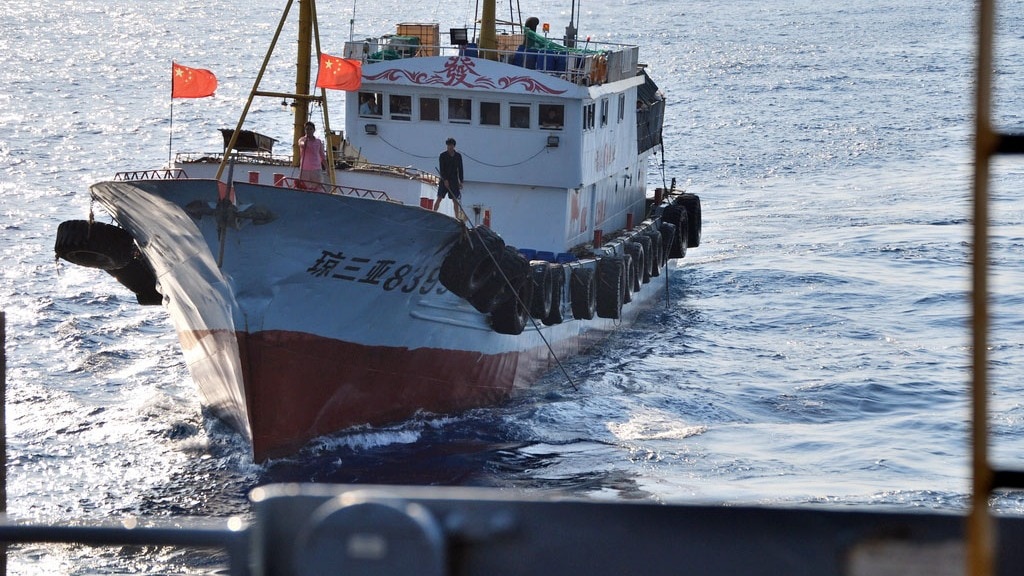
By controlling these islands, Iran has placed its “pincers" around the throat of global energy trade. In the current war, the Islamic Revolutionary Guard Corps (IRGC) has utilised the islands as forward-operating bases. Abu Musa now hosts missile batteries, drone runways, and home ports for the high-speed minelaying boats that have successfully stalled 95% of the region’s maritime traffic this month.
The 2026 Standoff: Sovereignty vs Security
While Iran views its sovereignty over the islands as “inalienable", the UAE, supported by the Arab League and occasionally China and Russia in diplomatic statements, continues to call for international arbitration. In the context of the present war, this territorial dispute has taken on a new, darker dimension.
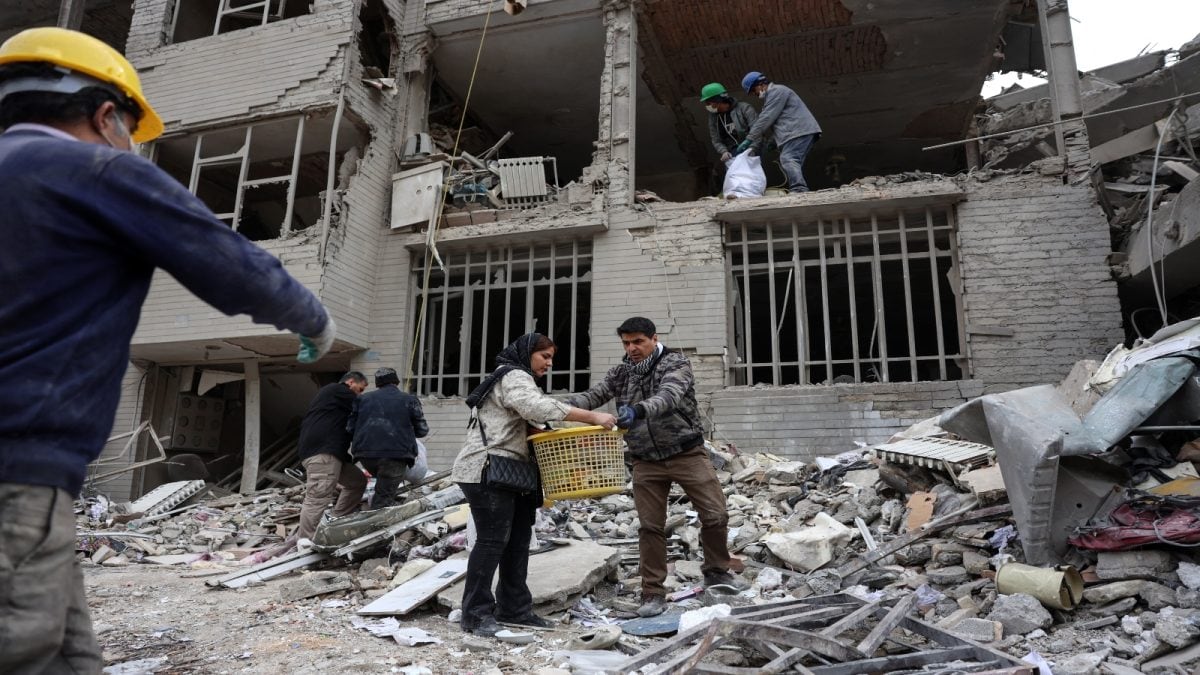
On March 12, 2026, the Iranian Parliament Speaker issued a chilling warning that any US or Israeli attempt to “liberate" or attack these islands would result in the Persian Gulf “running with the blood of invaders". For Washington and Tel Aviv, the islands represent a tactical nightmare: to truly reopen the Strait of Hormuz, they would likely have to neutralise the assets on these islands, an act Tehran has declared a “red line" for total regional escalation.
As the West Asia conflict enters a war of attrition, these three islands remain the ultimate leverage. They are no longer just disputed territory; they are the geological heart of a conflict that determines whether the world’s energy supplies flow or freeze.
First Published:
March 13, 2026, 18:37 IST
News world The Persian Pincers: How Iran Controls The Strait Of Hormuz Through Three Tiny Islands
Disclaimer: Comments reflect users’ views, not News18’s. Please keep discussions respectful and constructive. Abusive, defamatory, or illegal comments will be removed. News18 may disable any comment at its discretion. By posting, you agree to our Terms of Use and Privacy Policy.
Read More