 1 hour ago
Last Updated:March 16, 2026, 16:07 IST
Strikes on Iran disrupt Gulf air cargo, forcing pharmaceutical companies to reroute medicines through Saudi Arabia, Oman, and Turkey, raising costs and cancer drug prices.


Representative Image - Chemotherapy. (Image Courtesy: Dr. Vijay Anand Reddy)
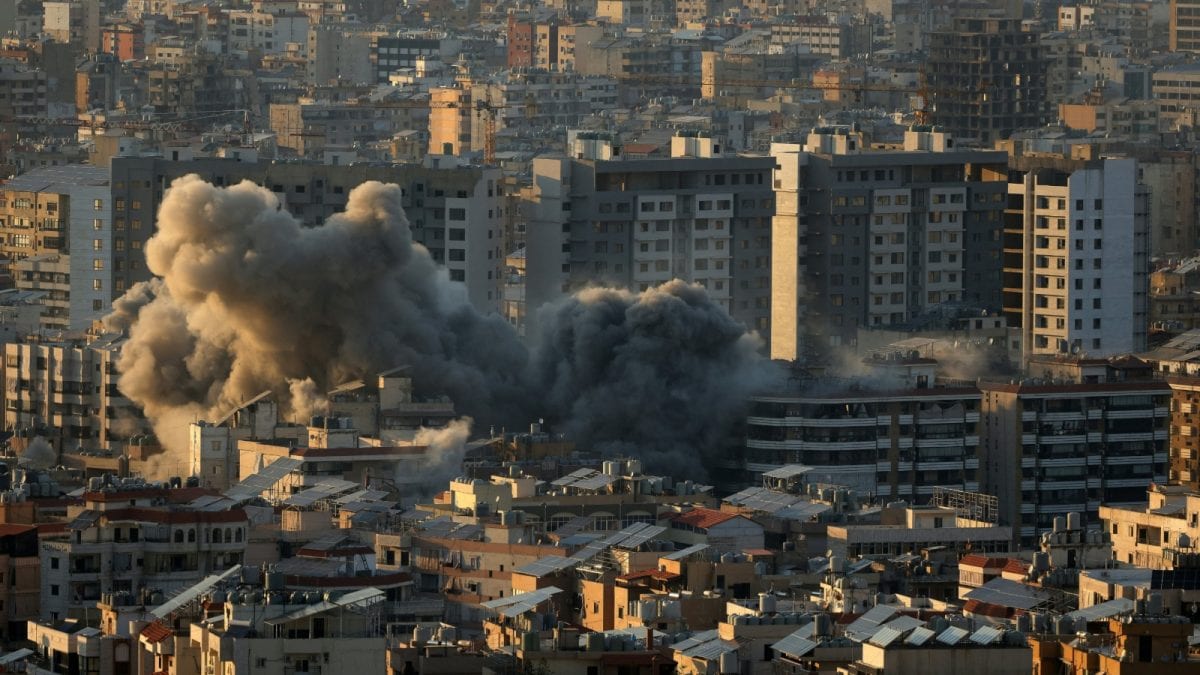
Two weeks ago, the United States and Israel launched pre-emptive strikes on Iran with the intention of changing the existing regime. Iran hit back, targeting air bases and infrastructure across the region, also known as the Gulf – due to its regional proximity to the Persian Gulf. The conflict has roots in decades of tension over Iran’s nuclear programme, regional influence, and proxy wars from Lebanon to Yemen. Nobody agrees on who started it. Both sides say the other did.
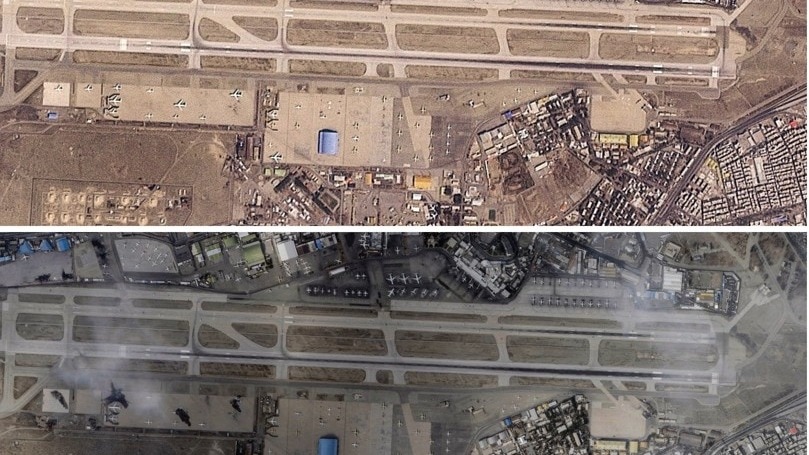
Since then, Iranian strikes have knocked out the Gulf’s biggest air cargo hubs at Dubai, Abu Dhabi, and Doha, pharmaceutical companies have been scrambling to reroute critical medicines overland through Saudi Arabia, Oman, and Turkey. With just two weeks into the war, these detours have already pushed up transportation costs and threaten to inflate Cancer drug prices across the world.
War always raises prices, and it’s not just oil. In this case – the cost is to be borne by hospital wards, and neighbourhood pharmacies – leading straight into the medical chasm of chemotherapy that cancer patients face.
Supply Chain Logistics: The Cold-Chain Problem
Supply chain logistics refers to the management of the production, transportation and distribution of goods throughout a business’ overall supply chain and includes both inbound and outbound supplies.
Cold chain logistics refers to keeping temperature-sensitive goods safe and fresh by maintaining the right temperatures throughout the supply chain. It prevents spoilage, degradation, and health risks from improper storage or transport, and in this case, life-saving cancer medicines are the commodity at risk.
Most medicines are fine sitting in a container, or a truck for a few extra hours. Monoclonal antibodies, which act as the backbone of modern cancer therapy, are not. They need to be in a continuous, narrow temperature range from the factory floor to the IV bag connected to the patient’s arm. It is an expensive endeavour under normal conditions, and becomes a far-worse and different problem altogether with the added pressure of wartime rerouting.
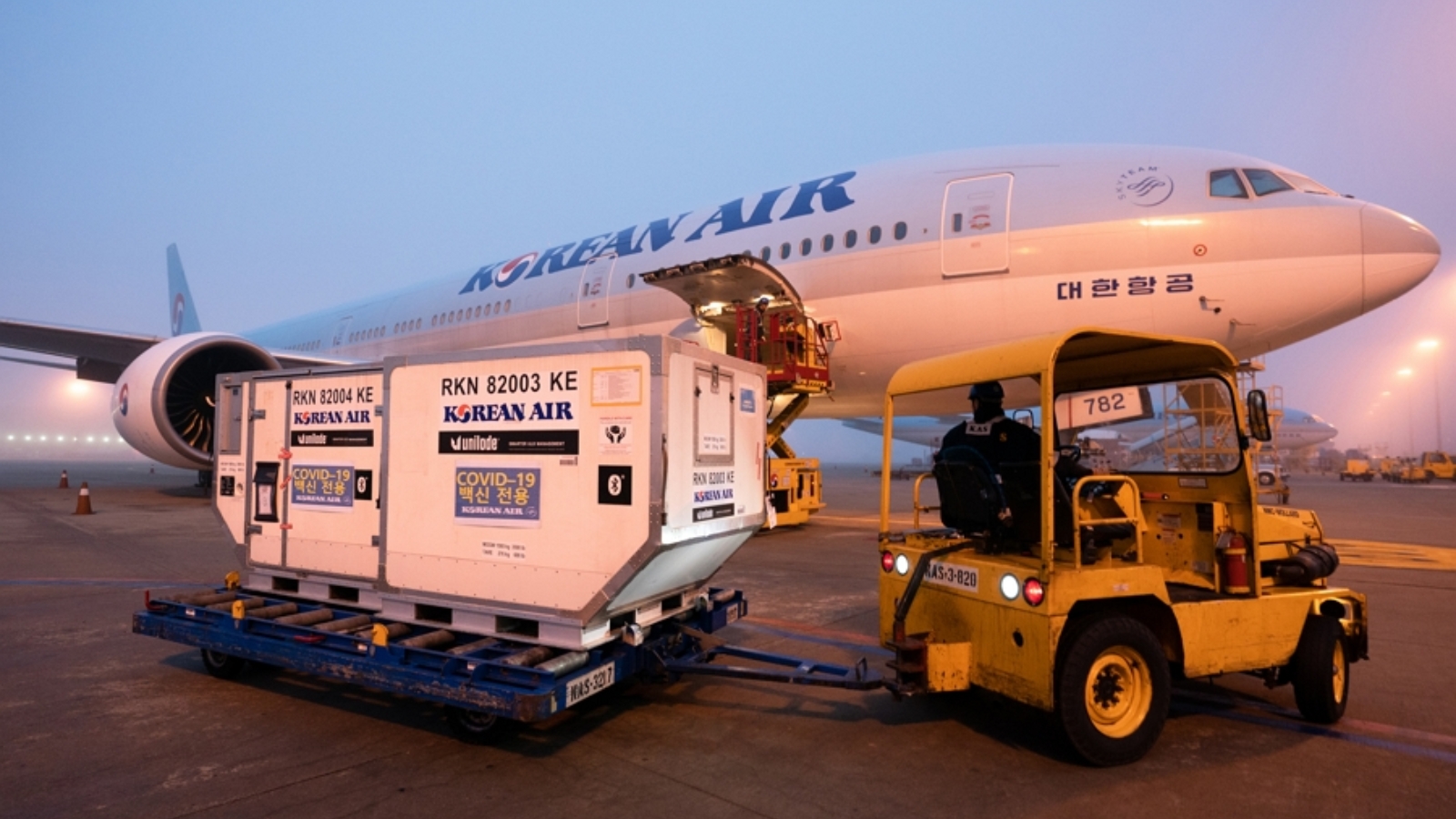
The CEO of Marken – a biopharma logistics company, speaking to Maggie Fick at Reuters said that cold-chain cargo was getting through only with round-the-clock rerouting, as airspace restrictions keep shifting rapidly, as drones and missiles launch haywire.
Longer routes mean more dry ice, more handling stops, more fuel, and more risk of a slight temperature variation that could potentially write off an entire shipment worth in the tens of thousands of dollars.
These drugs are not cheap to begin with. A single course of chemotherapy treatment for some cancers runs into enormous figures. When the cost of basic supply-chain logistics and their transportation rises in such a sharp curve, it becomes extremely difficult to source the medications at cost-effective rates.
Wouter Dewulf from the Antwerp Management School cited industry data to Reuters showing that more than a fifth of all global air cargo stands exposed to the disruptions in the Gulf. Air-freight is the primary route for critical-care medicine and life-saving drugs.
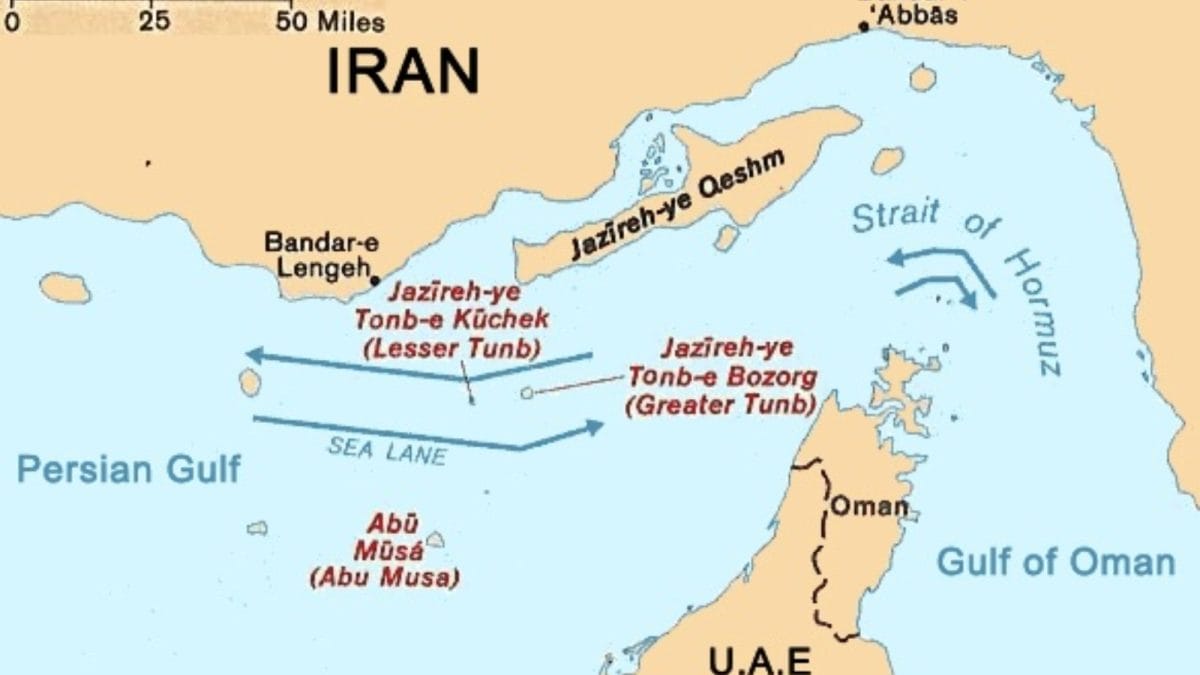
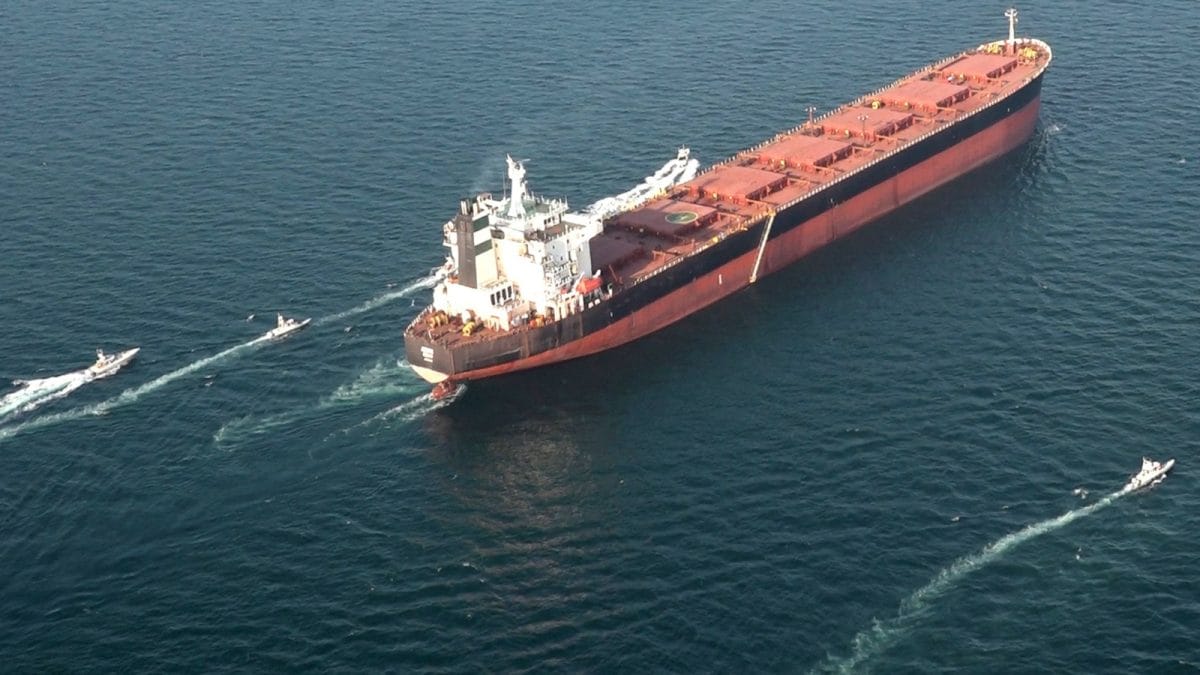
Sea routes are out as well, with Iran’s closure of the Strait of Hormuz making longer transit times completely impractical for short shelf-life medicines. Hence, companies reroute. Jeddah, Riyadh, Istanbul, Oman, then overland into final markets. Each extra leg adds cost. Marken confirmed that transportation fees are already climbing as a direct result.
Stocks Are Holding. Barely.
Speaking to Reuters, Prashant Yadav from the Council on Foreign Relations said that typical stock reserves for expensive, temperature-sensitive medicines sit at roughly three months. But some customers (hospitals and pharmacies) have already warned their suppliers that they could run dry within four to six weeks if things do not improve.
If, and when those stocks are replenished, they would be bought at the new, higher logistics cost, that is to be borne by the patient, at the end of the day.
And it is not just the drugs themselves. David Weeks, who tracks supply chain risks pointed out that shortages of vial stoppers and IV bag plastics, components that travel through the same now broken and fragmented corridors, could create their own bottlenecks. “It’s not always a shortage of the medicine itself," Weeks told Reuters. “In some cases, it’s the little stopper on the vial where the dosage is extracted."
Over 100 pharmaceutical and logistics professionals joined an emergency webinar hosted by Pharma.Aero, a life sciences logistics group, last week to work through the crisis. That kind of mobilisation signals that the industry is considerably more rattled than its public statements let on.
Dorothee Becher, head of air logistics for healthcare at freight company Kuehne+Nagel, told Reuters that inventory levels remain stable, for now. The official industry line holds. But logistics costs and procurement prices are not separate variables. They are connected through hospital supply contracts, insurance margins, and renewal cycles that will come around.
As the conflict continues, so will the increase in the bills, and cancer patients, as well as other terminally ill patients across the world are unlikely to be shielded from the impending boom in costs.
First Published:
March 16, 2026, 16:07 IST
News world The War In Iran Is Quietly Inflating the Price of Your Cancer Medications
Disclaimer: Comments reflect users’ views, not News18’s. Please keep discussions respectful and constructive. Abusive, defamatory, or illegal comments will be removed. News18 may disable any comment at its discretion. By posting, you agree to our Terms of Use and Privacy Policy.
Read More