 2 hours ago
EU leaders ended their Brussels summit without agreeing on opening a channel to Moscow. The split highlights Europe's struggle to shape any future Ukraine peace talks while backing Kyiv.
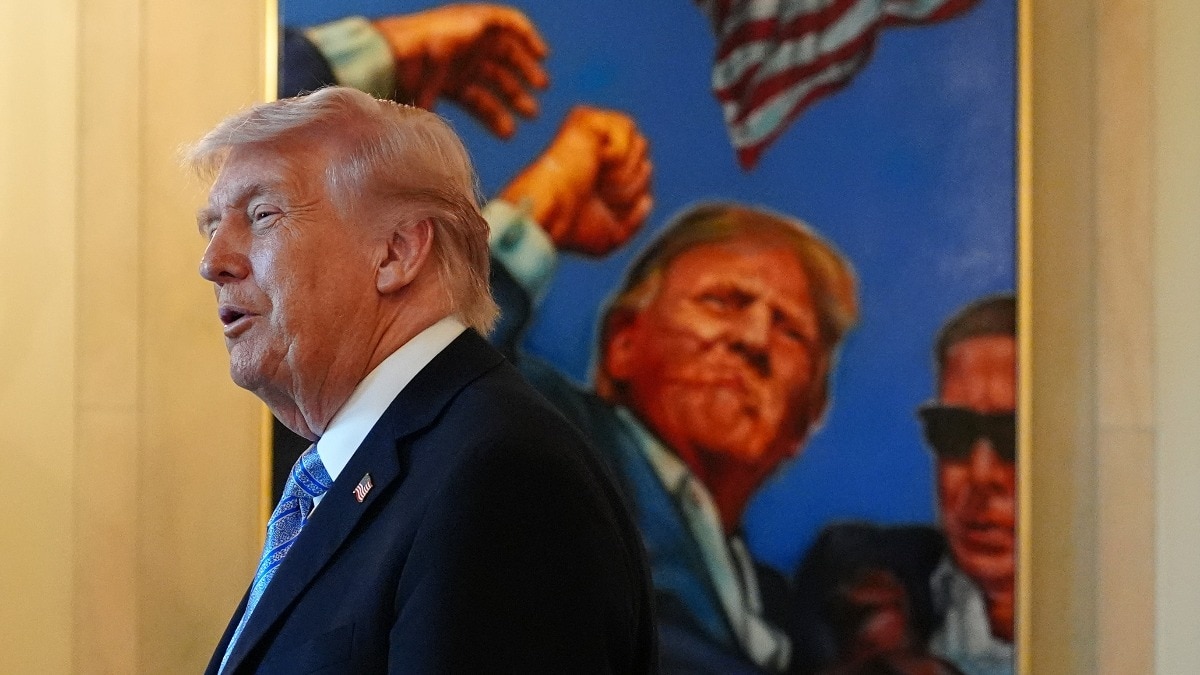
Stock photo used for illustration

Brussels,UPDATED: Jun 19, 2026 18:14 IST
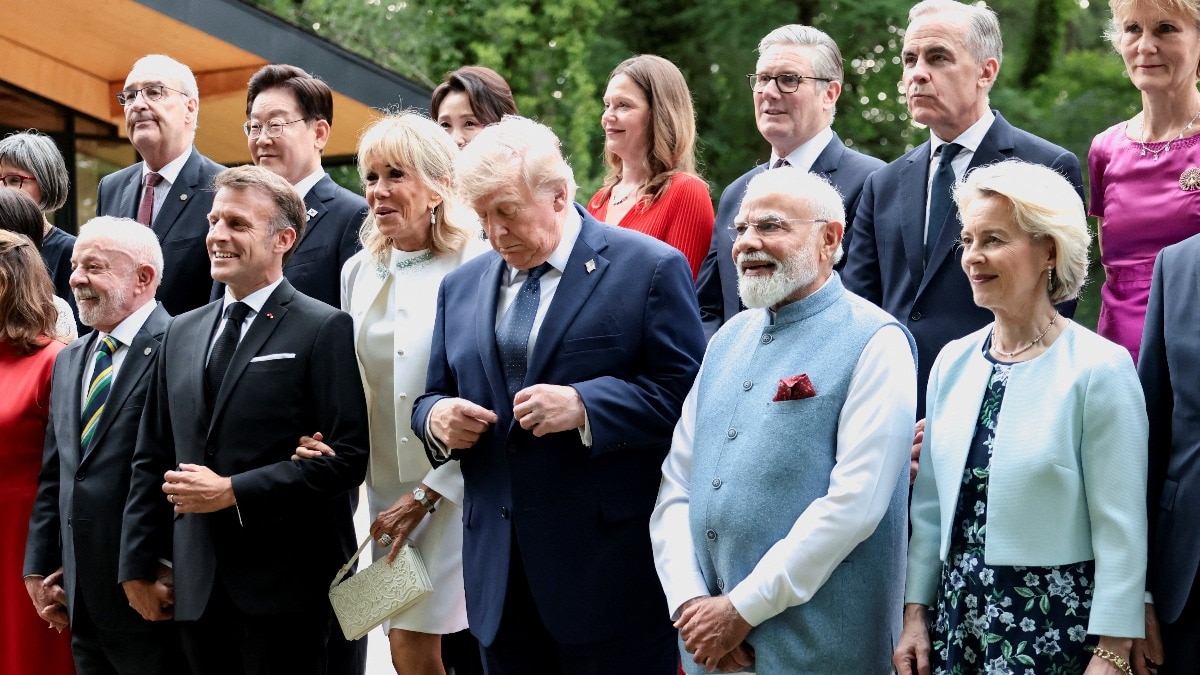
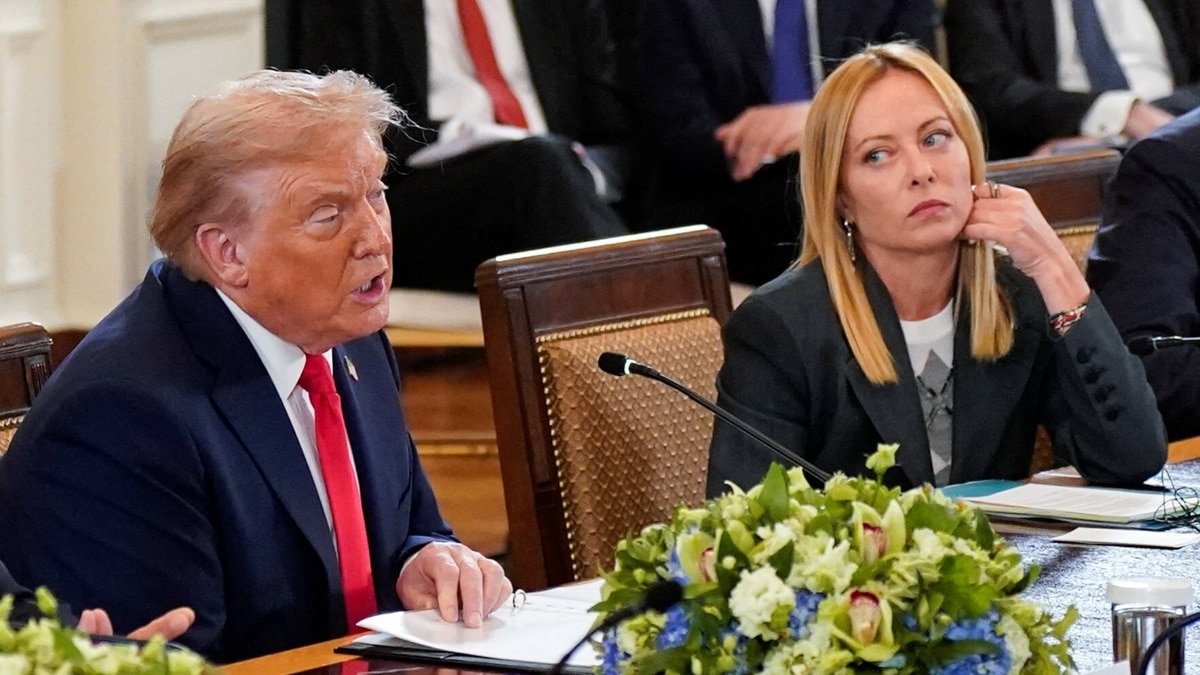
European Union leaders have failed to agree on whether to open a back-channel with Moscow to protect the bloc’s interests if negotiations to end Russia’s war on Ukraine begin to move forward. The differences came to the fore after a two-day summit in Brussels, with leaders split over whether such contact should happen and who, if anyone, should lead it.
European Council President António Costa, who chaired the summit, had asked his office to reach out to the Kremlin and proposed that a senior official make contact. Costa said the idea was not to mediate or create a parallel track to the United States-led effort, which has made little progress, but to ensure the EU is not left out if talks advance.
In recent months, debate has grown in Europe over whether to appoint a mediator for talks with Russia. That idea has largely been rejected, as many believe Russian President Vladimir Putin is unlikely to negotiate anyway. Instead, the 27 EU countries have focused on what concessions Russia should make for peace to be secured.
Czech Prime Minister Andrej Babi said the leaders had not been able to bridge their differences overnight. “Europe is unable to agree even on whether there will be negotiations or who will lead them,” he said. Irish Prime Minister Michel Martin, however, said, “opening up a channel is not a mistake in our view, and I trust António Costa.” He added: “What was very clear last evening is that any negotiations would have to be first and foremost between Ukraine and Russia, but there are no indications that Russia is coming to the table at all.”
Putin has tried to sideline both Europe and Kyiv from negotiations with the United States over Ukraine’s future. Even so, the Kremlin said on Friday that it would be open to talks with Europe if the bloc gave up what Moscow sees as dealing with Russia from a position of force. Kremlin spokesperson Dmitry Peskov said: “We are ready for contact, we were not the ones who initiated cutting such contacts, terminating them completely.” He added: “If forces emerge that realize the need to resume dialogue with Russia, not to lecturing it or, worse, to issue ultimatums ... then President Putin and the Russian side would certainly be open to it.”
As leaders left the meeting overnight, Belgian Prime Minister Bart De Wever joked that Costa himself should be the envoy to Moscow. “I was just talking about you, António,” De Wever said while laughing and shaking Costa’s hand. “I was full of praise, saying you are the only one who can represent us and that we will send you to Moscow.” Estonia’s foreign minister, Margus Tsahkna, took a harder line, saying “Europe must not assume the role of a neutral mediator” and should instead strengthen Ukraine’s position to “force the Kremlin into serious negotiations.” In sum, the summit underlined the EU’s internal divisions over how, or even whether, to engage Moscow while continuing to back Ukraine.
With PTI Inputs
- Ends
Published By:
India Today Web Desk
Published On:
Jun 19, 2026 18:14 IST