 6 hours ago
Three weeks into Operation Epic Fury, the gap between Donald Trump's promises and Iran's reality is becoming impossible to ignore.
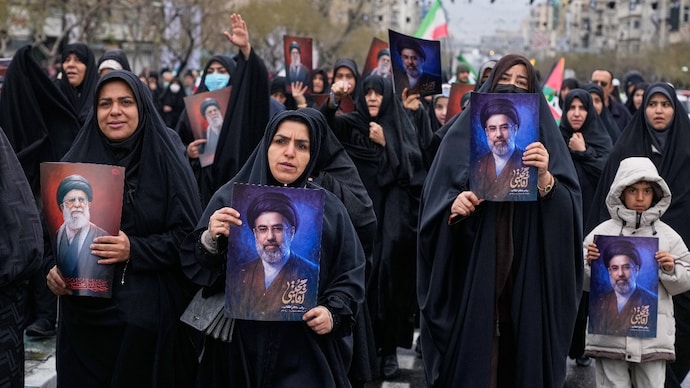
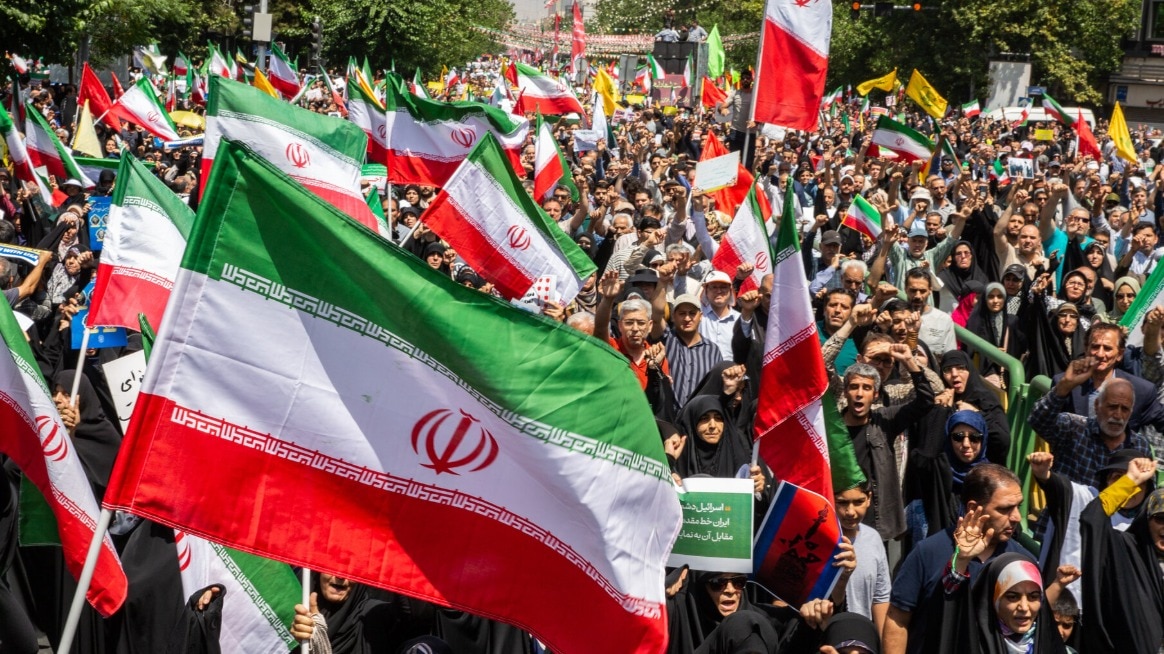
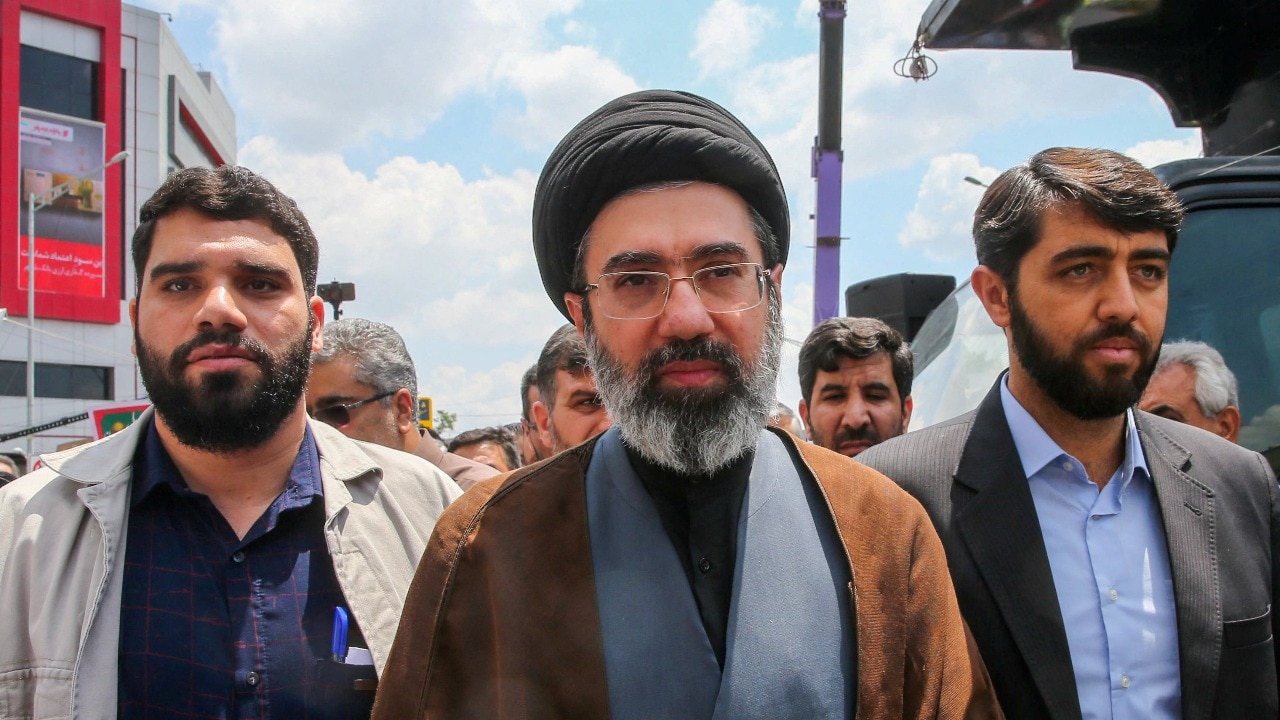
Demonstrators holding posters of Mojtaba Khamenei march during the annual anti-Israeli Quds Day
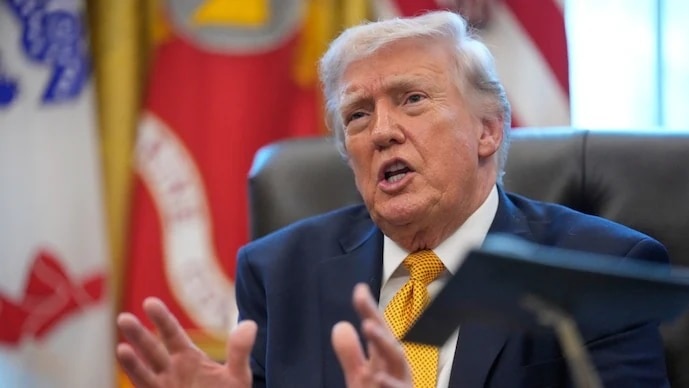
On the night of February 28, when American and Israeli jets began pounding Iran in what Washington called Operation Epic Fury, Donald Trump told the world, "To the great, proud people of Iran, I say tonight that the hour of your freedom is at hand." It was vintage Trump — maximalist, cinematic, designed for the highlight reel. Three weeks later, freedom hasn't arrived. The Iranian regime is still standing. The Strait of Hormuz is still choked. Oil prices have jumped more than 40%. And 13 American soldiers are dead.
The hour of freedom, it turns out, was a speech. The war, unfortunately, is real.
For observers outside the US — and particularly in India, where the price of a disrupted Gulf is measured in fuel costs, remittances, and the fate of nearly nine million citizens living in the region — what's unfolding in the Middle East is more than a geopolitical spectacle. It is a case study in what happens when the world's most powerful military is led by a commander-in-chief who, as the New York Times editorial board put it bluntly this week, started a war "without any idea of how to end it."
THE REGIME THAT REFUSED TO FALL
The foundational assumption of Trump's war was simple: hit Iran hard enough, fast enough, and the Islamic Republic would buckle. Khamenei would be gone, the people would rise, the regime would splinter. Shock and awe would do what decades of sanctions couldn't.
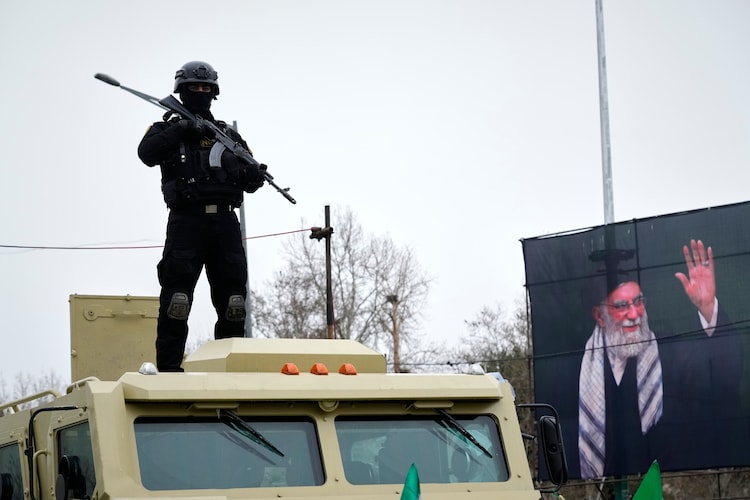
The first part worked. An Israeli strike on the war's opening day killed Supreme Leader Ali Khamenei, the IRGC commander, and the defence minister. Since then, American and Israeli forces have struck more than 15,000 targets without losing a single aircraft to Iranian air defences. By the narrow metrics of airpower, the campaign has been extraordinarily precise.
But precision hasn't produced the desired political result. The regime hasn't collapsed. It has calcified.
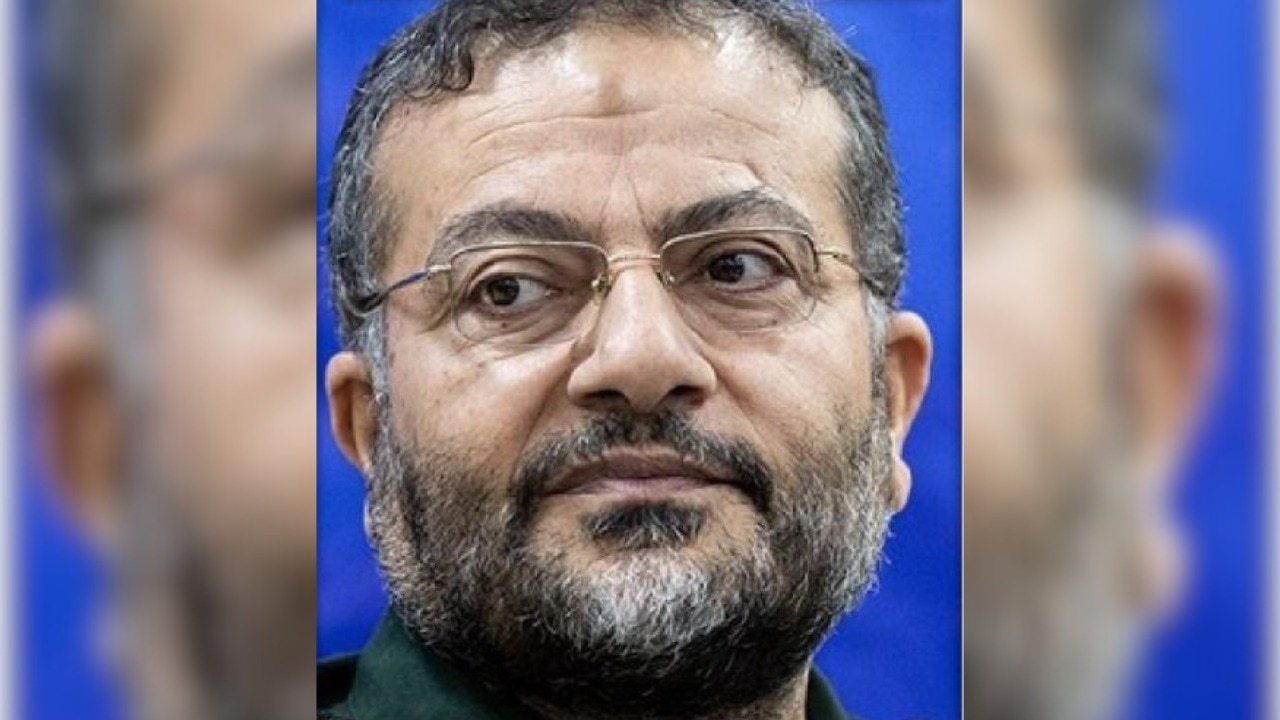
US intelligence assessments, according to two people who spoke to the Washington Post, now predict that Iran's regime "will remain intact and possibly even emboldened, believing it stood up to Trump and survived." Mojtaba Khamenei — the Supreme Leader's son, wounded in the opening strike — has been named his father's successor. The Islamic Revolutionary Guard Corps (IRGC), always powerful, is now the undisputed centre of gravity inside Iran. The officials who had argued for diplomacy have been discredited. The hardliners have been proven right.
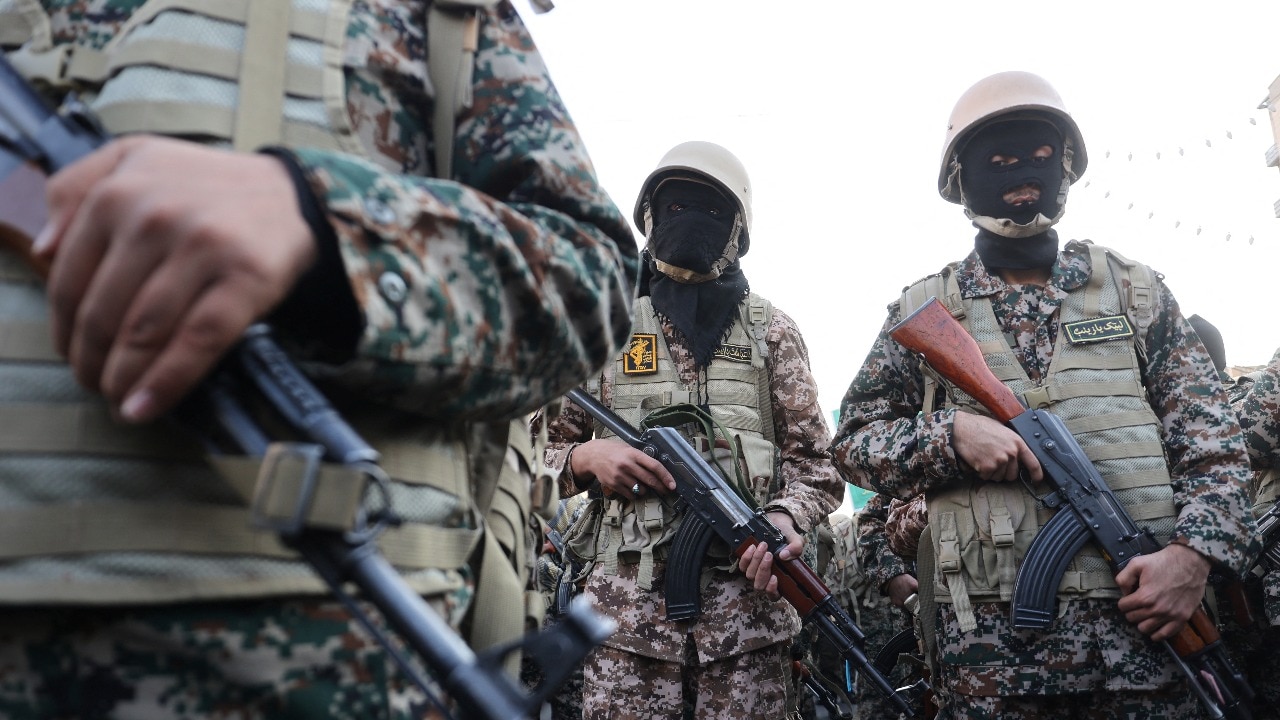
"The IRGC has got economic power," Richard Nephew, a senior adviser on Iran during the Biden and Obama administrations, told the Post. "They've got political power. They've got the domestic repression apparatus. They are essentially now the centrepiece of the power system inside the country. Far from breaking the IRGC, the war has likely only hardened its resolve," he said.
A classified prewar intelligence assessment by the Intelligence Council had concluded, even before the bombs fell, that a large-scale American assault on Iran was unlikely to oust its entrenched military and clerical establishment. Trump, we are now told, received "very sobering briefings" on this intelligence. He was told about the likelihood of a more entrenched IRGC before he gave the go-ahead. He went ahead anyway.
THE STRAIT THAT CHANGED EVERYTHING
If the regime's survival was the war's first strategic failure, the Strait of Hormuz is its defining one.
Only 30 miles wide at its narrowest point, the strait is the jugular of global oil supply — the waterway through which nearly a fifth of the world's petroleum flows every single day.
Iran, sitting along its northern shore, has spent years preparing for exactly this moment. Mines, missiles, sea drones, Shahed UAVs — Iran has turned the strait into what the Washington Post's analyst Gregory Brew described on X as the war's decisive factor: "This war is now about the status of the Strait of Hormuz. Full stop."
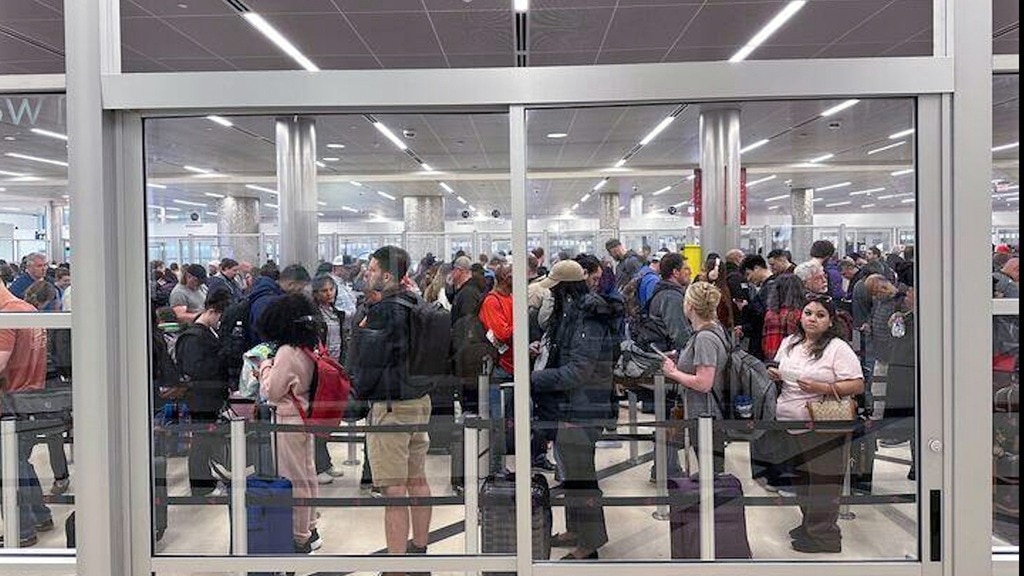
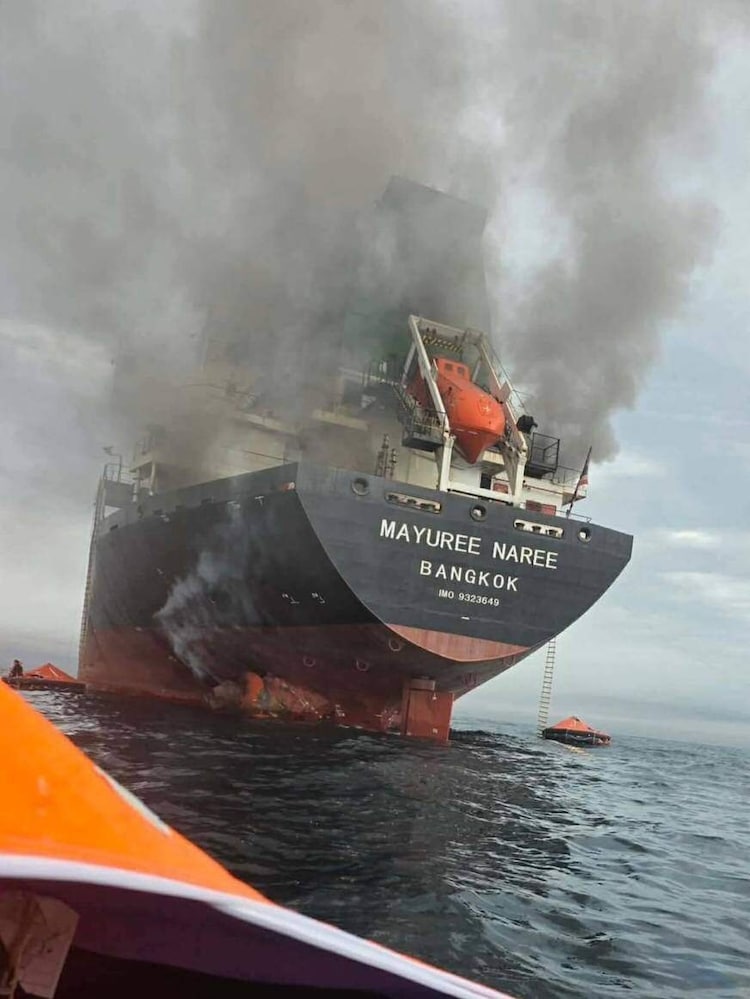
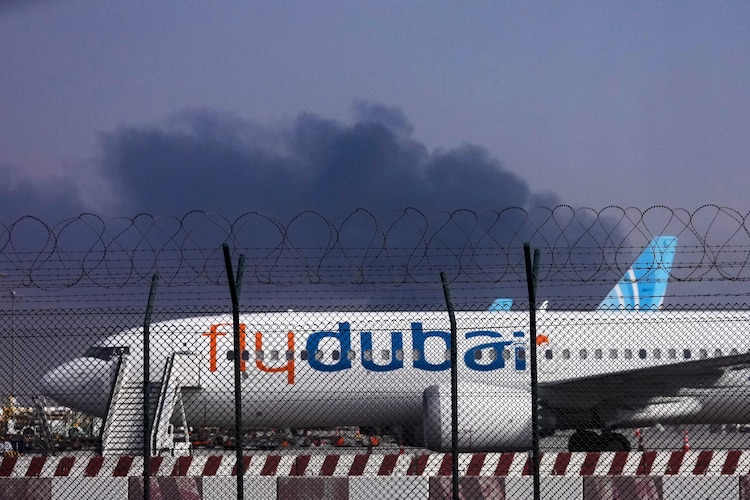
At least 18 commercial ships have been struck in two weeks. Shipping traffic has come to a near-standstill. The Energy Agency has called it "the largest supply disruption in the history of the global oil market". For India — one of the world's largest oil importers, heavily dependent on Gulf supplies and deeply exposed to shipping costs through this narrow passage — the consequences are not abstract. They are arriving at petrol pumps and in import bills.
The math of the conflict is particularly brutal in this dimension. Iran is deploying Shahed drones that cost between $20,000 and $50,000 each. The US is shooting them down with Patriot missiles that cost $3.7 million apiece. Military analyst Max Boot noted in the Washington Post this week that the equation is "brutal and unsustainable". Ukraine had developed interceptors costing as little as $1,000 each. Washington didn't bother to buy them. The US military and Gulf states are now scrambling to do so.
Trump's top military adviser, General Dan Caine, had warned him before the war that Iran would likely respond by attacking ships in the strait and effectively closing it. Trump, according to the Wall Street Journal, replied by suggesting that Iran's government would capitulate before it could close the waterway, or that the US military could keep it open. He was wrong. The NYT editorial board's verdict is stark: this "should have been obvious".
ALLIES WHO WON'T COME
Faced with a closed strait and rising oil prices, Trump's response has been to demand that European allies send their navies to escort tankers through the war zone. The response has been a study in polite, firm refusal.
Germany's defence minister, Boris Pistorius, said: this is not our war; we did not start it. Italy said it is "not involved in military operations" in the strait. Poland has "ruled out" sending forces. The EU's top diplomat, Kaja Kallas, said there was "no appetite" to change the mandate of Europe's existing naval operation in the region.
France's Macron, whom Trump graded an "eight out of ten" — "not perfect, but it's France" — had earlier indicated support for sending warships, but only after the fighting stopped. As of Monday, the French navy stayed put in the eastern Mediterranean. Britain's Keir Starmer, who has bent over backwards to stay in Trump's good graces, nonetheless stood firm. "My leadership is about standing firm for the British interest, no matter the pressure," he said.
Trump's response was to remind Europe of the tens of thousands of American soldiers stationed on the continent, and to warn that NATO's future would look very different if allies didn't cooperate. Poland's foreign minister, Radoslaw Sikorski, offered a pointed observation in return: "It's a bit worrying that President Trump refers to NATO as 'them' or 'Europe' rather than 'us'."
The alliance's foundational logic, as Britain's former chief of the defence staff Nick Carter said on BBC Radio, is that NATO is "a defensive alliance". It "was not an alliance that was designed for one of the allies to go on a war of choice and then oblige everybody else to follow", he said.
The only time Article 5 — the mutual defence clause — has ever been invoked in NATO's 77-year history was after September 11, when Europe came to America's aid. Britain and other European nations sent their soldiers to die in Iraq and Afghanistan. Trump appears to have forgotten this detail.
A SHIP ON FIRE, A STRATEGY IN SMOKE
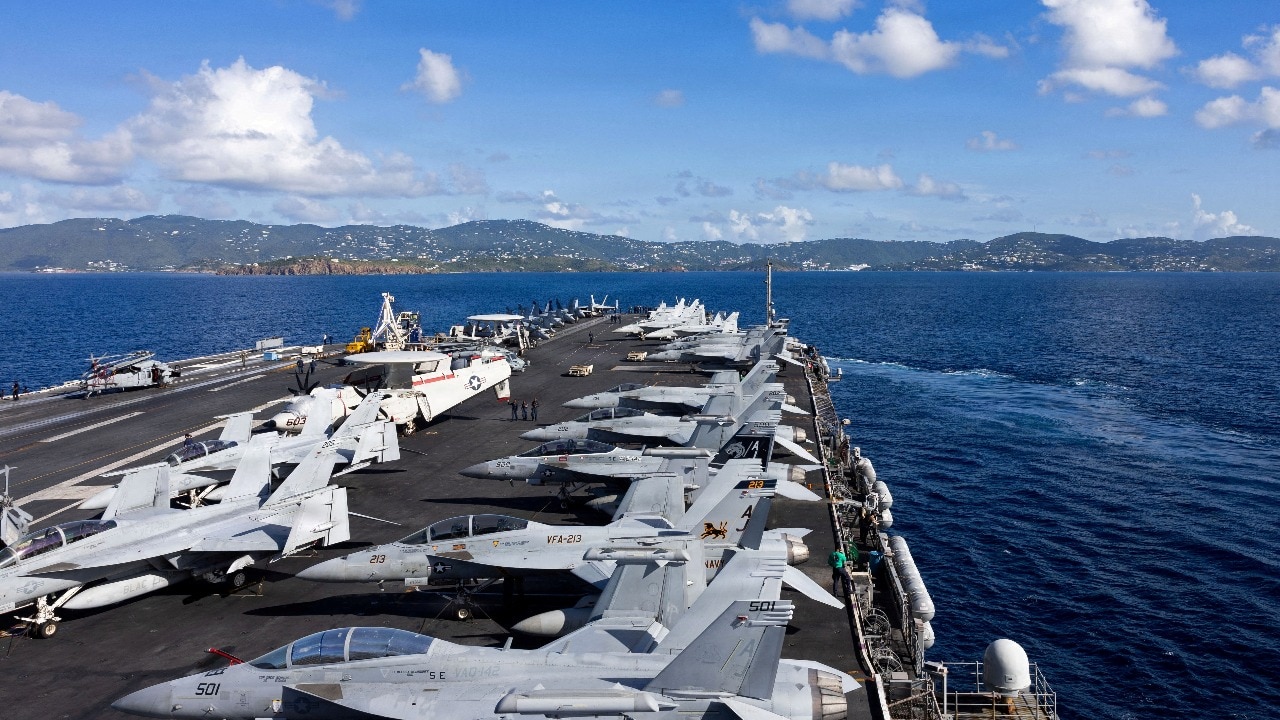
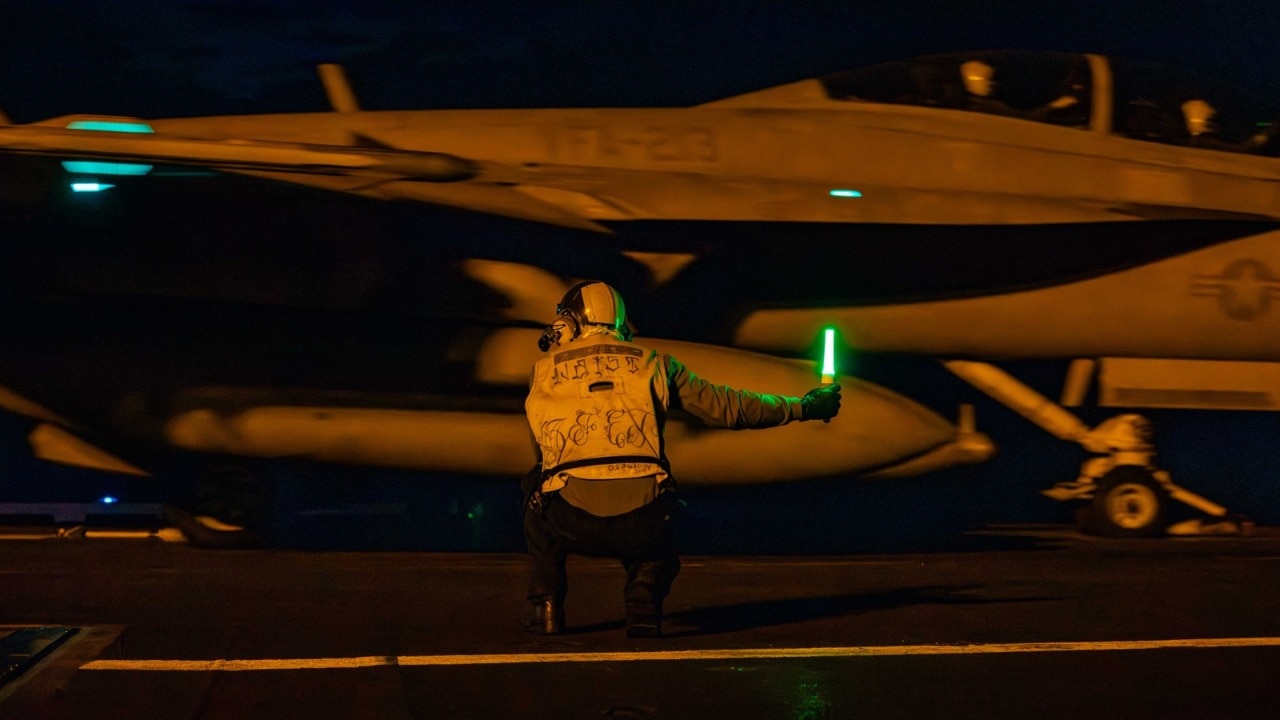
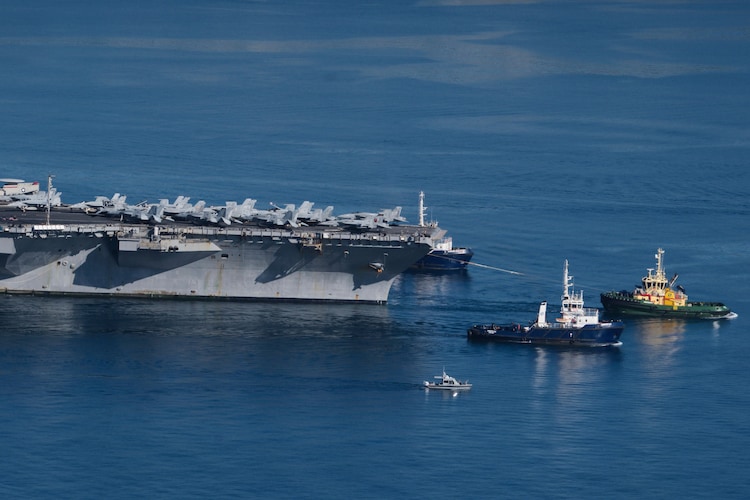
Somewhere in the waters near the Gulf, the USS Gerald R Ford — the US Navy's newest aircraft carrier — has been at sea for nearly 10 months. Last week, a fire broke out in its laundry room and burned for more than 30 hours. Over 600 sailors lost their beds and have been sleeping on floors and tables. Many haven't been able to do laundry since. The carrier is being told its deployment will likely extend into May — a full year at sea, twice the length of a normal deployment.
It is a small detail in a large war. But it is also an image: the world's most powerful navy, stretched to its limits, its sailors bunking on floors, its newest carrier holding together through sheer institutional discipline while its political leadership improvises from one news cycle to the next.
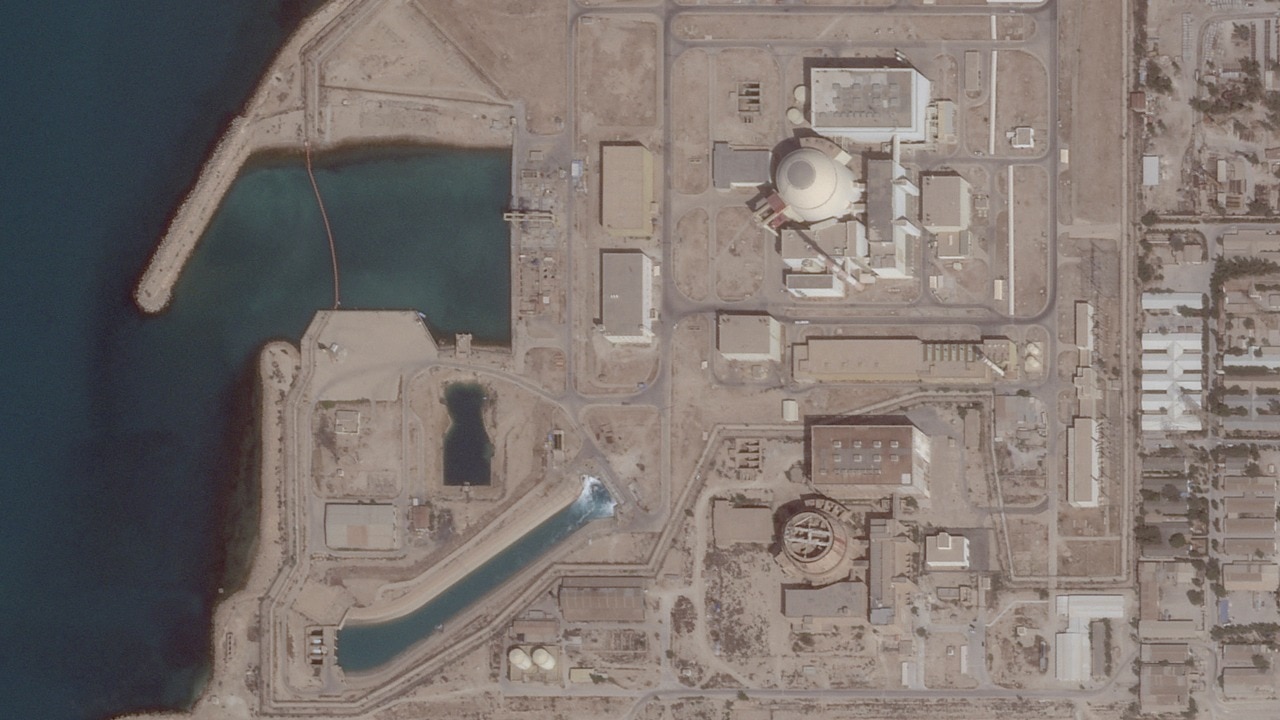
The New York Times editorial board, in a piece published on March 17 that is worth reading in full, laid out three strategic failures that now define this war: the fantasy of regime change through airpower alone; the unresolved question of Iran's enriched uranium stockpile, which Secretary of State Marco Rubio acknowledged might require ground troops to secure — even as Trump said last week "we're not focused on that"; and the economic shock of a closed strait that Trump had been warned about and chose to dismiss.
"War tends to be less amenable to spin than politics or marketing," the board concluded. "The early reality of the Iran war is not cooperating with Trump's bluster."
For the rest of the world — for countries like India that had no say in this war but are absorbing its costs in oil prices and supply chain disruptions and a destabilised Gulf where millions of their citizens live and work — the question is no longer whether Trump's Iran strategy is working. It clearly isn't. The question is what comes after the bluster runs out, and who gets to shape whatever passes for an ending.
Three weeks in, there are no obvious answers. Only a strait still closed, a regime still standing, and a president still searching for a war that bends to his will.
- Ends
Published By:
Abhishek De
Published On:
Mar 18, 2026 10:08 IST
Tune In