
 10 hours ago
Last Updated:December 18, 2025, 14:38 IST
Hooded pitohui, New Guinea’s toxic bird, carries batrachotoxin from melyrid beetles. Discover its unique defense and Jack Dumbacher’s scientific findings.

Birds are often seen as the most adorable and harmless creatures on Earth. From parrots to peacocks, there are a myriad of feathery creatures in the avian world that leave us mesmerised with their colours and beauty.
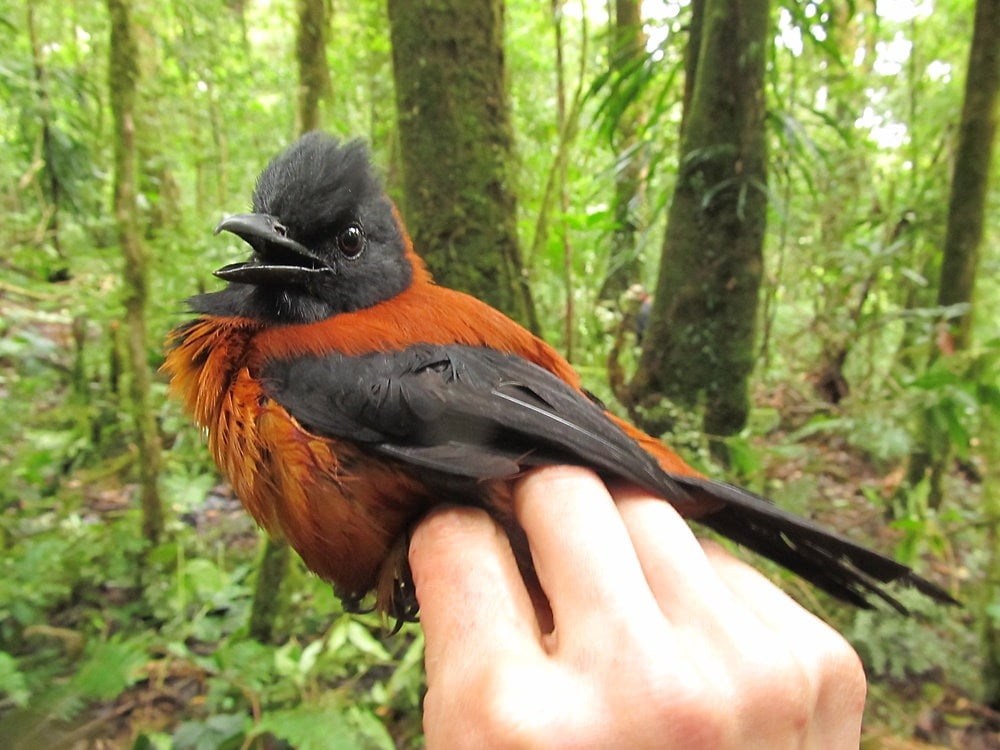
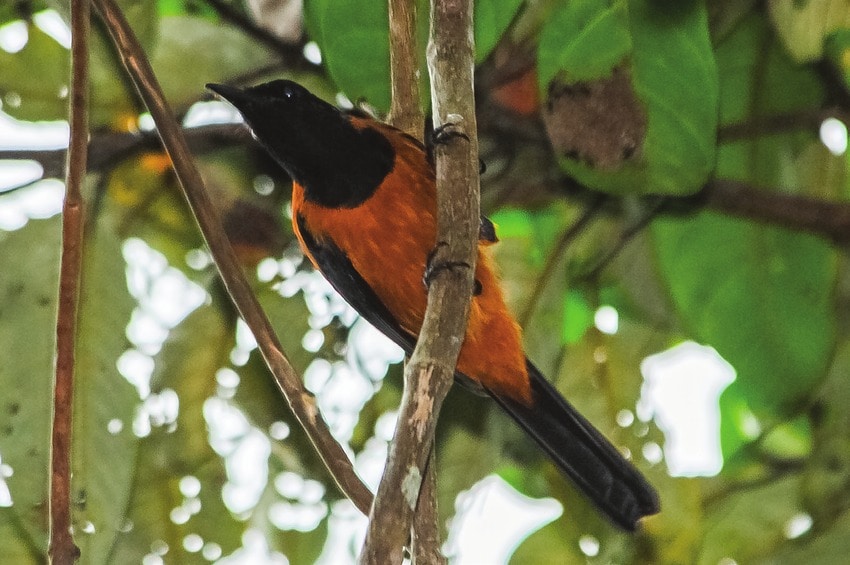
But deep inside the rainforests of New Guinea lives a bird unlike any other. Meet the hooded pitohui, the world’s only toxic bird.
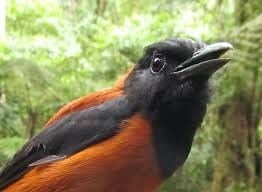
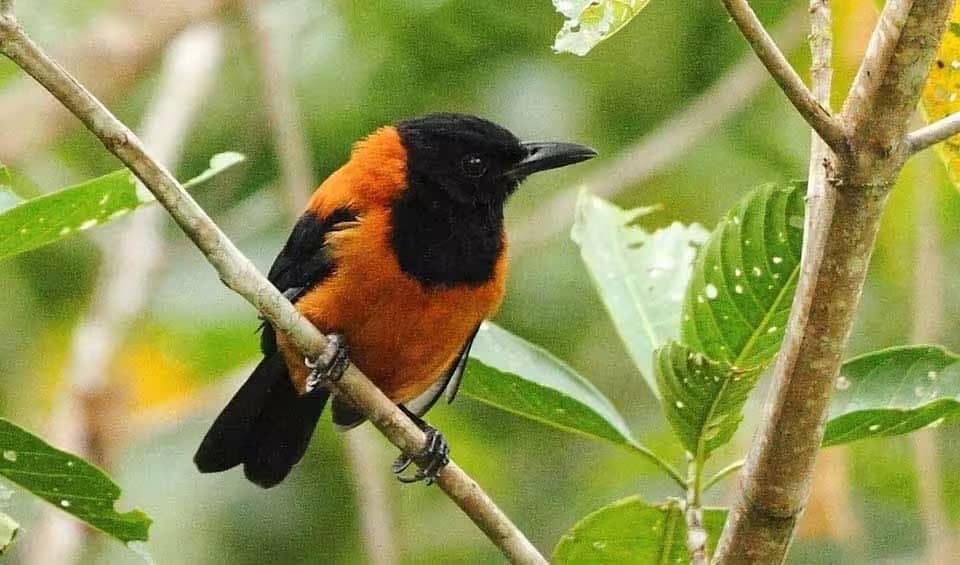
This striking orange-and-black bird isn’t just beautiful, it’s dangerous. Touch it and you will feel a burning, tingling, or numbing effect in your body, making it a unique example of aposematism (natural defence mechanism) in the avian world.
Reason? The hooded pitohui carries a powerful neurotoxin called batrachotoxin, the same poison found in deadly poison dart frogs.
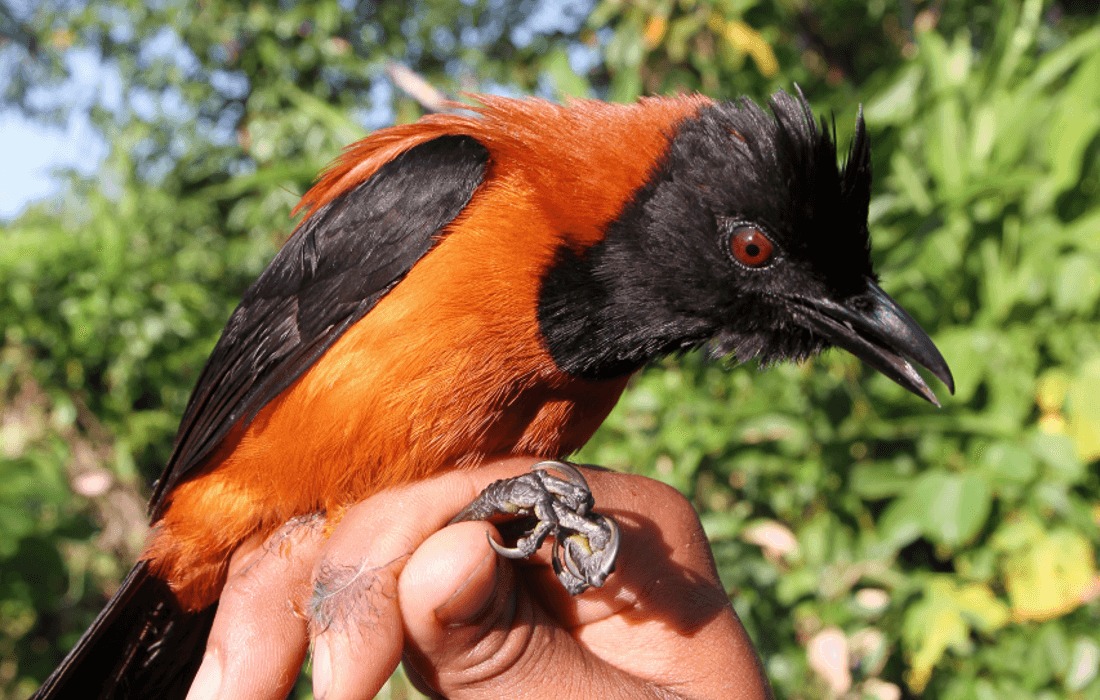
Even its feathers and skin are toxic. Touching the bird or ingesting its flesh can lead to severe neurological effects, including mild paralysis.
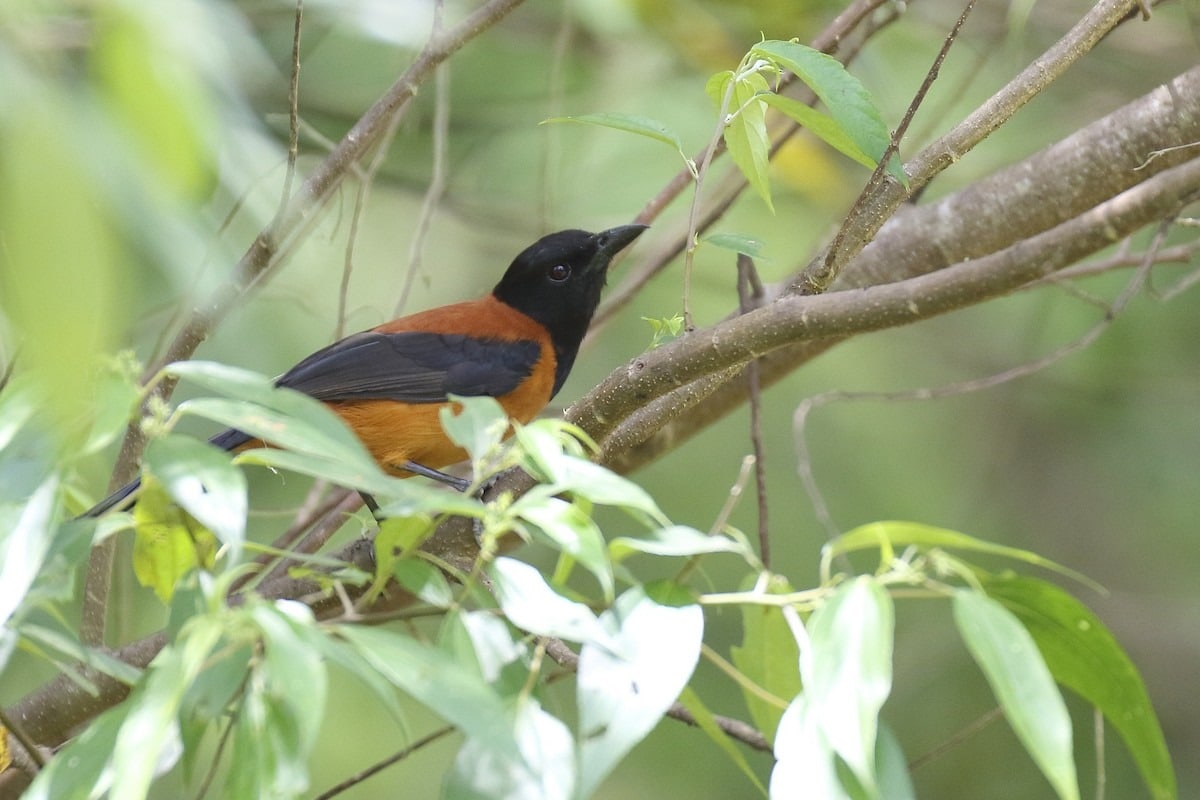
Its bright colours aren’t for beautification. They serve as a warning for predators that it is dangerous or unfit for consumption.
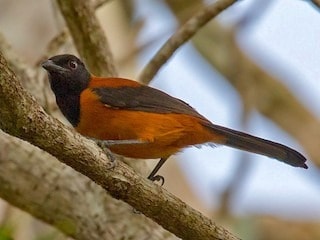
Because of its toxicity, Indigenous New Guineans avoid handling it, referring to it as the “rubbish bird.”
The mystery was uncovered in the late 1980s by scientist Jack Dumbacher. He discovered this toxic bird while doing fieldwork in New Guinea. After handling the bird, he experienced burning and numbness, according to Discover Wildlife.
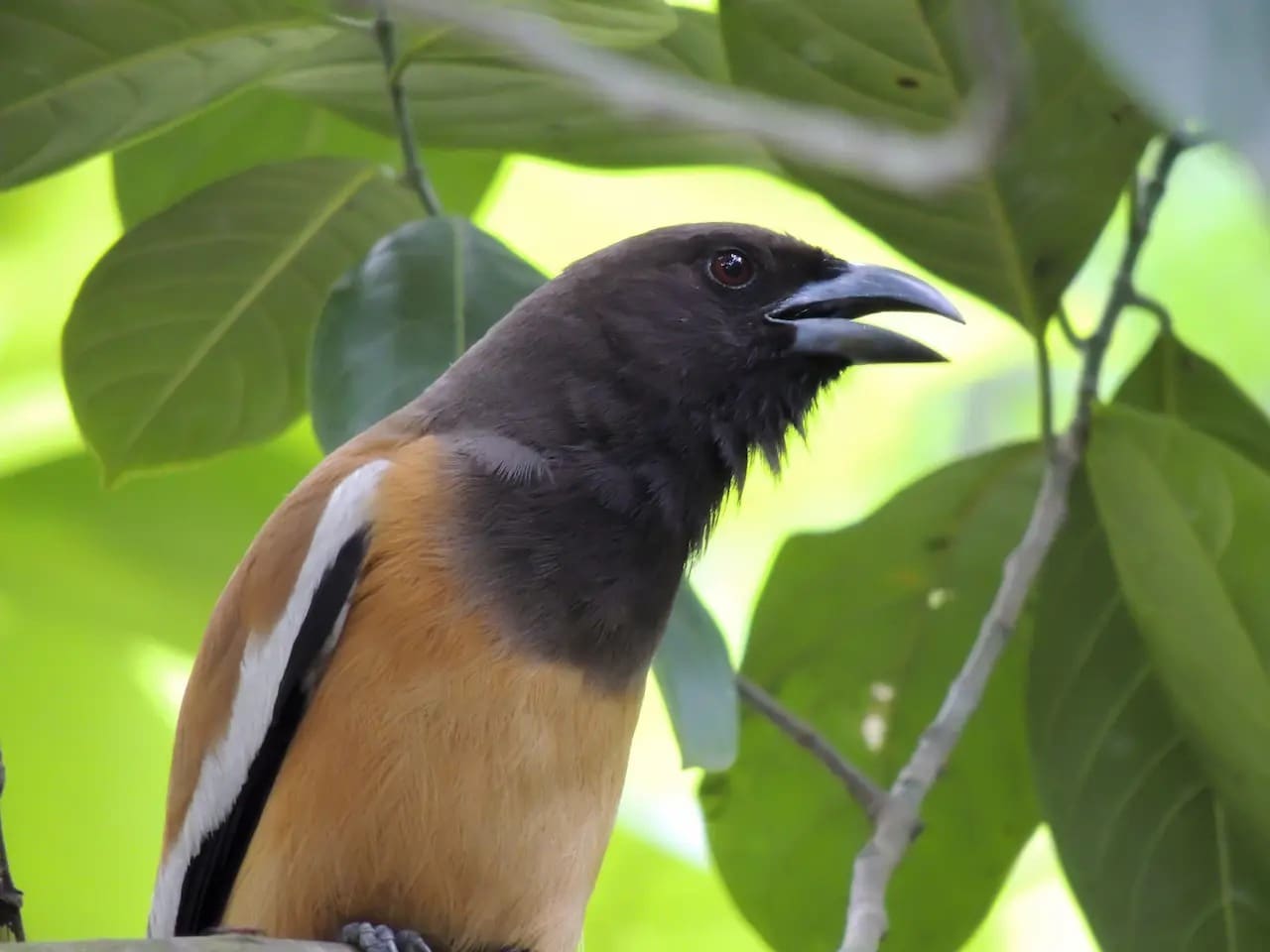
He realised the bird’s feathers and skin were poisonous, and even a little contact caused these uncomfortable effects. In 1992, Dumbacher and his team confirmed that this bird contains a powerful poison called batrachotoxin, along with similar toxic compounds.
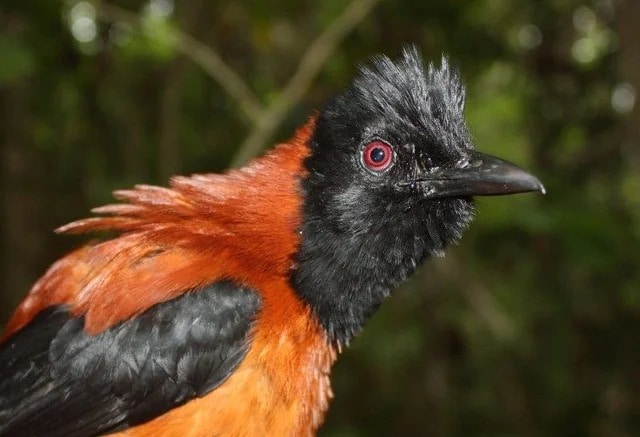
Terming it the first known bird poisonous to humans, he revealed that these toxins help the bird protect itself from predators and parasites.
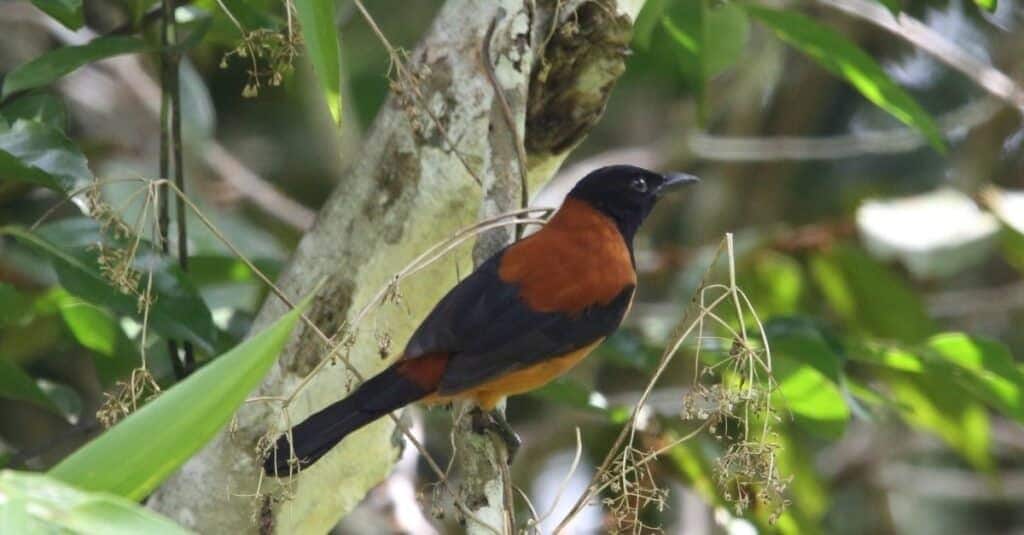
The most interesting aspect? The bird doesn’t make the poison itself. It gets it from a process called sequestration. Scientist Jack Dumbacher discovered that the hooded pitohui gets its poison by eating toxic melyrid beetles. They store the toxins in their skin and feathers, according to Forbes.
While the hooded pitohui is the most toxic, small amounts of the same toxin are found in other New Guinea birds, like the blue-capped ifrit (Ifrita kowaldi) and the little shrikethrush, making this rainforest one of nature’s most surprising places.
News Photogallery viral Bird Dangerous Than King Cobra Can Cause Mild Paralysis heart attack