 2 hours ago
Last Updated:March 17, 2026, 09:48 IST
A government official said the India-US trade deal was earlier expected to be signed in March, before the court ruling. After the judgment, reciprocal tariffs no longer exist.


US President Donald Trump with PM Modi. (Photo: Reuters/File)
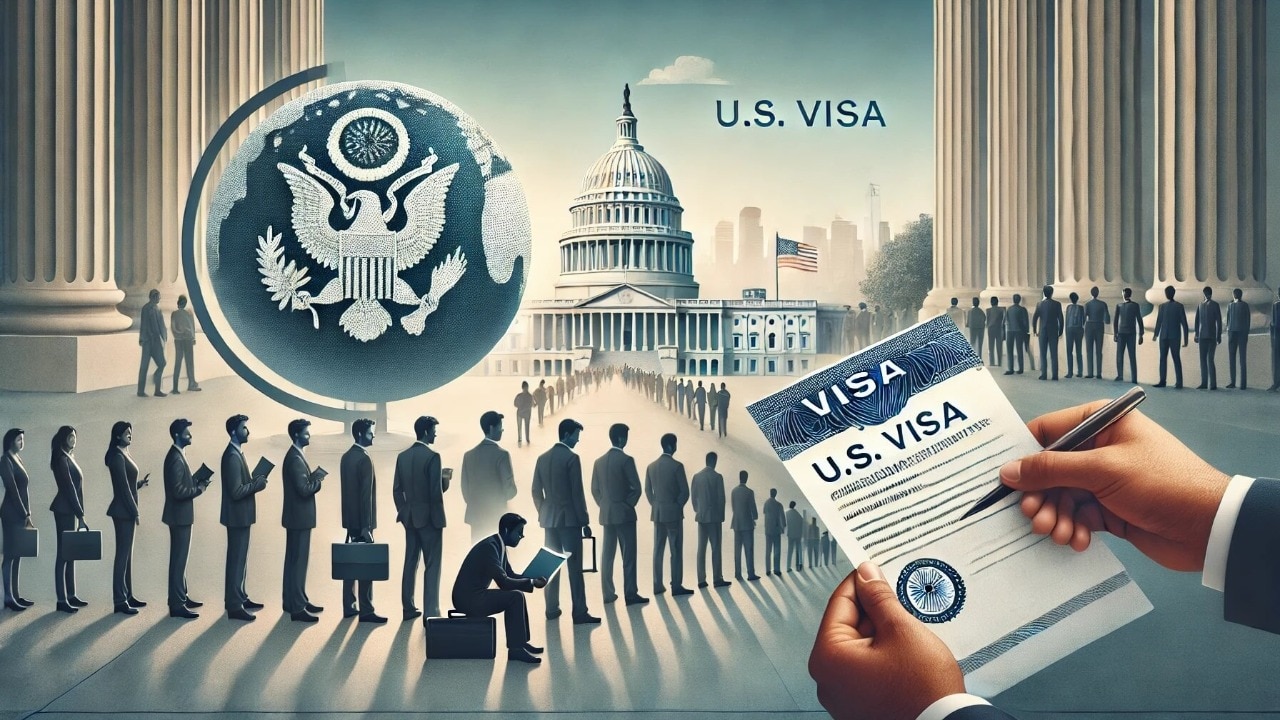
The much-anticipated trade deal between India and the United States will be signed only after Washington puts in place a new tariff structure that safeguards India’s comparative advantage in the US market, The Indian Express reported quoting a senior government official.
The agreement was announced just days before the US Supreme Court declared tariffs under the Emergency Economic Powers Act illegal.
Following the ruling, several US trade partners have raised concerns. Malaysia declared its trade deal with the US null and void, citing the collapse of the legal basis for tariffs. The European Union also put its trade deal with the US on hold.
Where does India stand?
The official clarified there is no standoff between India and the US. Countries that declared deals void are those that had already signed legal agreements. India, like Europe, had only agreed to a framework and not signed a legal deal.
“So countries which have signed the legal agreement, like Malaysia, will need to recalibrate the deal… But from India’s perspective, we are in the other bucket… we have to wait to see how the global tariff architecture pans out," the official said.
Tariff structure key to signing deal
The official said the deal was earlier expected to be signed in March, before the court ruling. After the judgment, reciprocal tariffs no longer exist. The US is now using tariffs under balance of payments provisions under Section 122, which have been in place for five months.
“Any deal that we sign has to be around a tariff structure or comparative advantage that India gets in the US market," the official said, adding that the US is working to recreate a tariff pathway.
Section 301 and other issues under discussion
The official said the eventual deal will address Section 301 tariffs along with other issues such as non-tariff barriers and Section 232 tariffs.
The US recently launched two Section 301 investigations involving several countries, including India. One concerns excess production in manufacturing sectors, while the other relates to imports made using “forced" labour.
The fast-tracked process could lead to new US tariffs being imposed from May.
The Office of the United States Trade Representative said India had a bilateral trade surplus of 58 billion dollars with the US in 2025. It also pointed to excess capacity in sectors such as textiles, health, construction goods and automotive goods.
The USTR added that India’s solar module sector has nearly tripled the domestic demand capacity, and flagged excess capacity in petrochemicals, steel and other industries.
Tariff changes after court ruling
India and the US had announced the trade deal on February 2, followed by a joint statement on February 7. The US had removed 25 per cent additional tariffs on certain Indian exports on February 7, which had been imposed over India’s imports of Russian oil.
After the Supreme Court ruling on February 20, reciprocal tariffs are no longer in force. However, the US has issued executive orders imposing 10 per cent tariffs under Section 122 of the Trade Act of 1974 on certain products from all countries.
Despite shifting US tariff policies, India has indicated it will continue with the agreement finalised before the court ruling. However, this remains conditional on the US ensuring a comparative tariff advantage for Indian products in the American market.
Location :
Delhi, India, India
First Published:
March 17, 2026, 09:48 IST
News world ‘We Have To Wait And See…’: India Puts Rider On US Trade Deal After Court Strikes Down Tariffs
Disclaimer: Comments reflect users’ views, not News18’s. Please keep discussions respectful and constructive. Abusive, defamatory, or illegal comments will be removed. News18 may disable any comment at its discretion. By posting, you agree to our Terms of Use and Privacy Policy.
Read More