 1 month ago
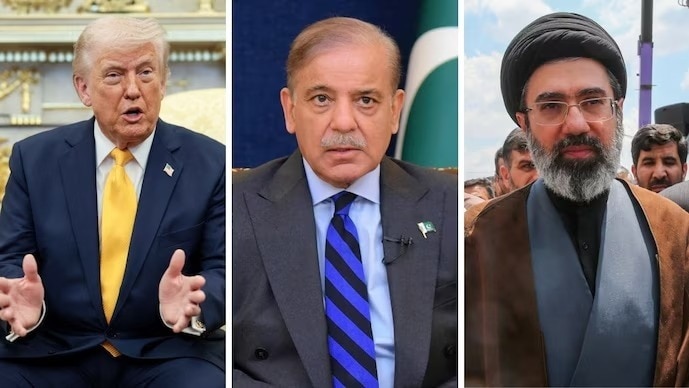
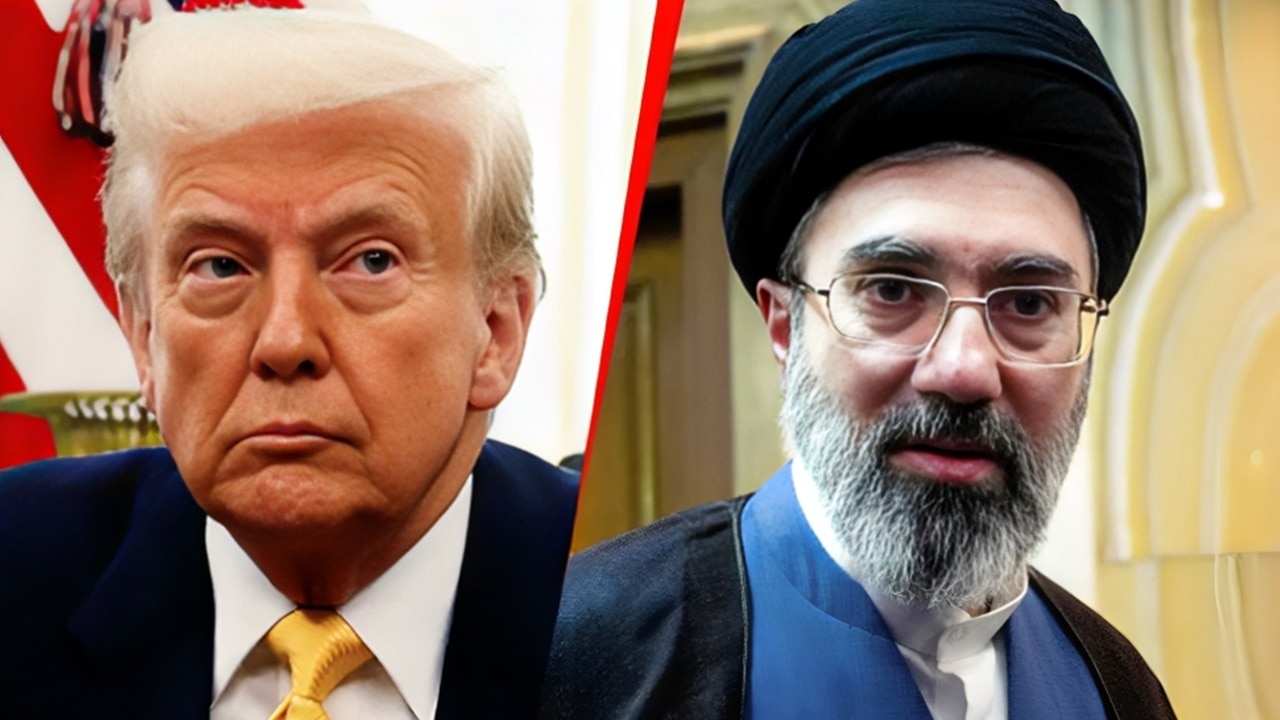
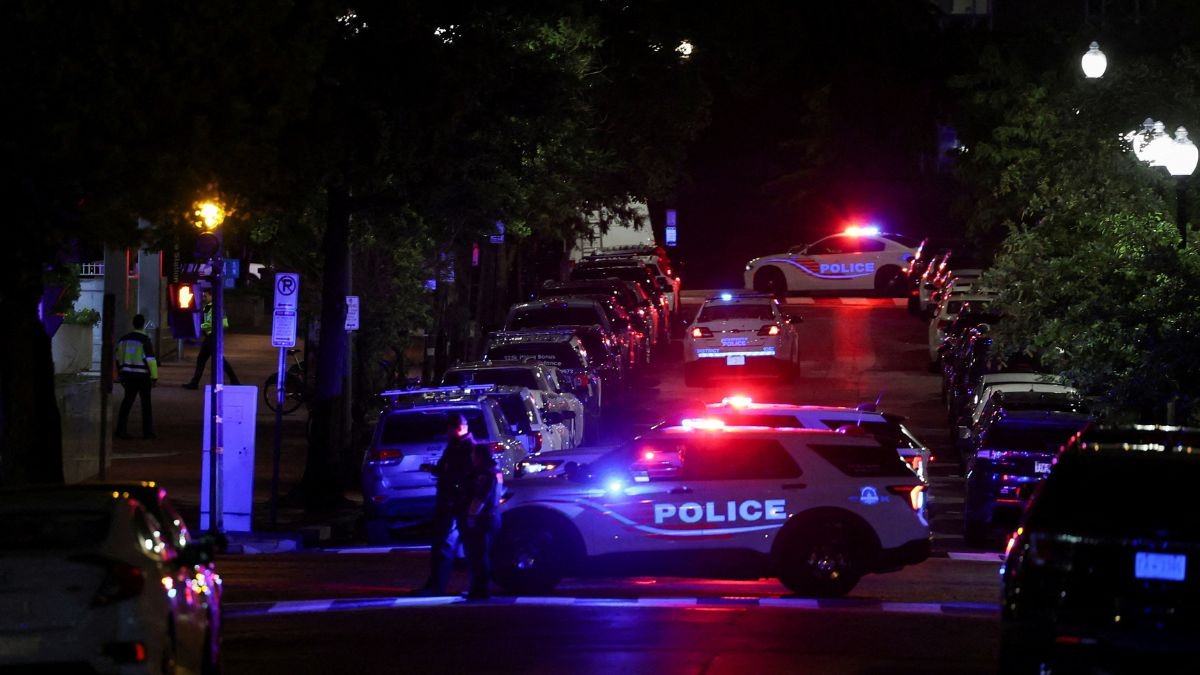
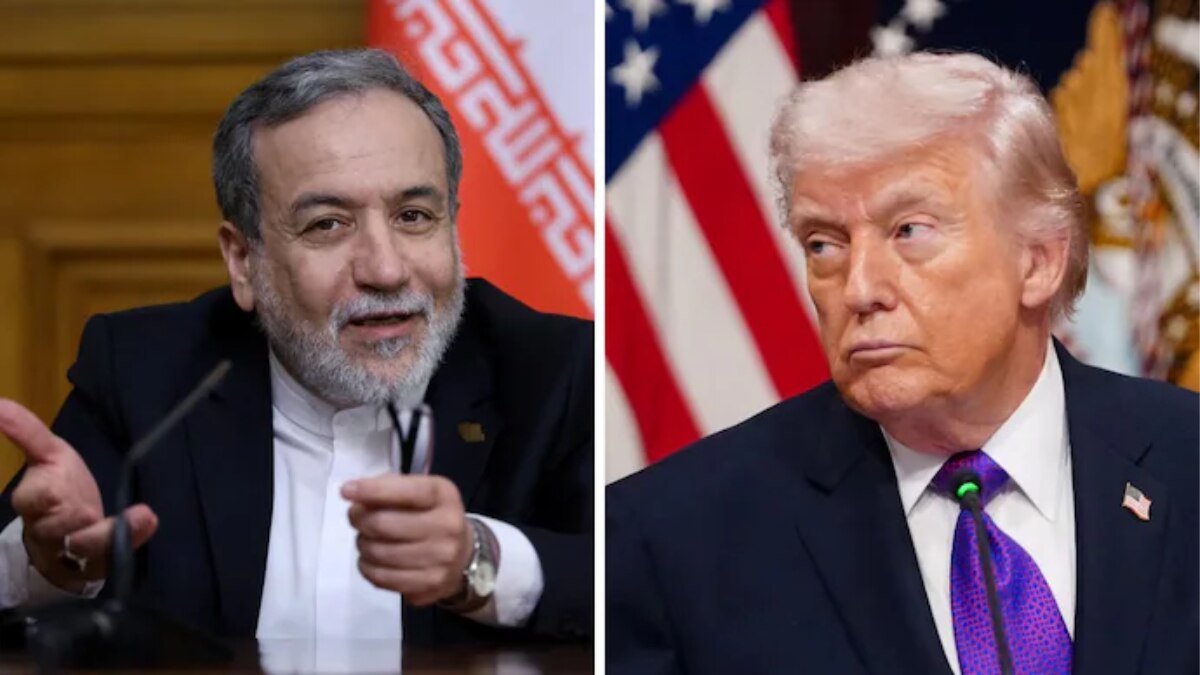
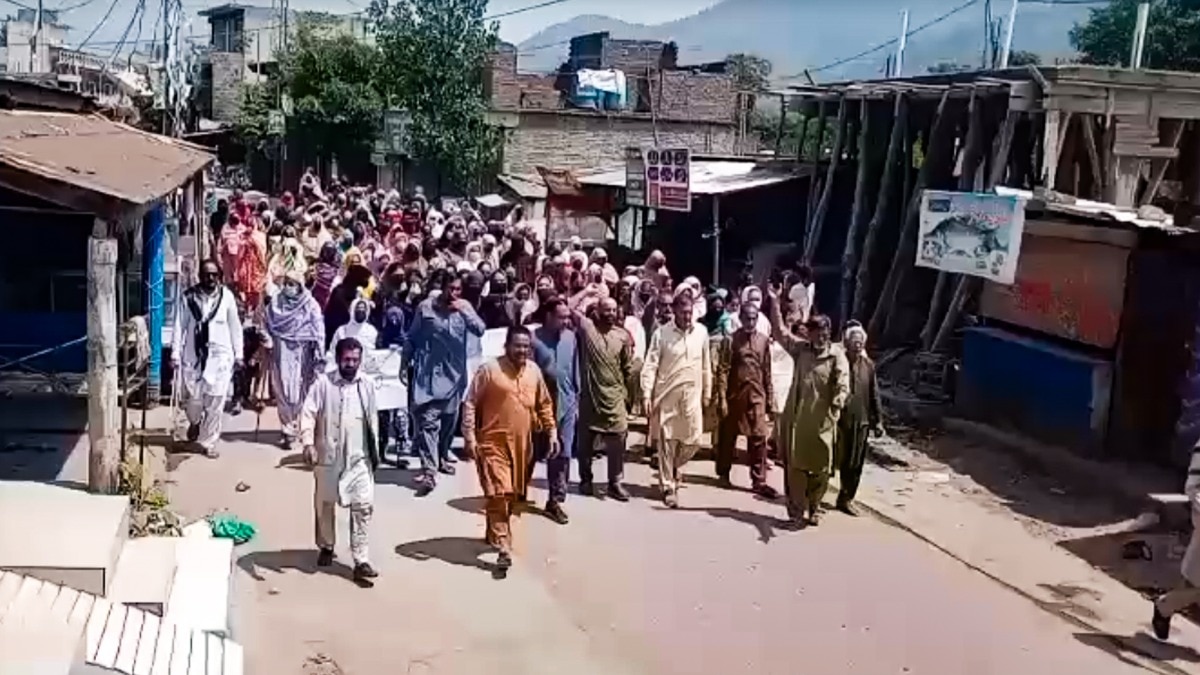
Pakistan's desire to play peacemaker between the US and Iran in their war has sparked an unintended consequence. The capital, Islamabad, as well as the country's military nerve centre, Rawalpindi, have been effectively shut down, even as the talks between Washington and Tehran hang in the balance. The situation is reviving the ghosts of the Covid-time lockdowns and fuelling public anger due to lost business and incomes.
"The streets of the Pakistani capital have been empty for days. The only visible figures are those in army and police uniforms lining the roads," UK-based news outlet, The Guardian, reported, describing shuttered shops, halted public transport and work-from-home orders across the city. "For many, it feels like a return to the pandemic", except that "the cause is not a virus" but anticipated US–Iran talks which have yet to materialise.
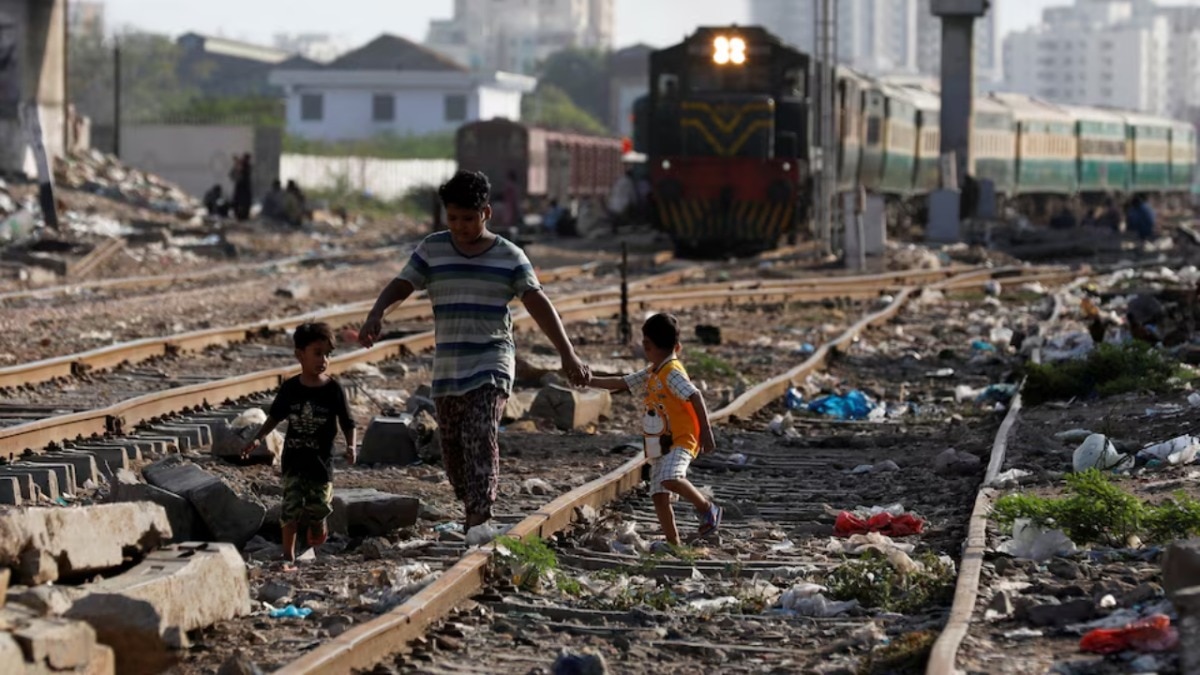
The lockdowns have hit the working classes of both cities particularly hard.
"Many workers in Islamabad and neighbouring Rawalpindi, unable to afford to rent a flat, were unceremoniously kicked out of their hostel accommodation on Saturday, after a government order, and tens of thousands had to hurriedly find a place to stay," The Guardian reported.
NO WORK, NO FOOD: PAKISTANIS CRY AS ISLAMABAD PLAYS PEACEMAKER
As those talks repeatedly failed to materialise, anger is deepening. "It is like we are living in a cage," Areej Akthar, a health officer, told The Guardian.
"We can't go back to work." Daily-wage labourer Muhammad Zubair said, adding, "A lockdown means no work and no work means no food. The government does not care about the poor."
On the ground, the economic impact of Pakistan's peace virus on the lives and economies of its twin cities is stark.
An Al Jazeera report described markets that are "typically packed, standing room only", now reduced to shopkeepers "simply sitting waiting for customers" because "public transportation has been shut down."
The report also noted that businesses are "only allowed to open for a short abbreviated number of hours", hurting their bottom line, and that schools across Islamabad were shut, and that most students were simply not attending school (except for a lucky few who are able to access virtual learning).
ISLAMABAD, RAWALPINDI WITNESSING LOCKDOWNS FOR TWO WEEKS NOW
The uncertainty has stretched on for nearly two weeks. Residents are "literally just sitting waiting for the second round of talks, not having any idea when it’s going to happen," Al Jazeera noted, adding that "it is the ordinary people of Pakistan that are paying the price."
Not making the economic downturn caused to the capital due to the lockdown any better is the fact that the US-Iran war has hit Pakistan particularly hard due to the spiralling cost of oil and gas caused by Tehran shutting down the Strait of Hormuz, sparking an energy crisis in the country.
Numbers cited by Bloomberg underline the slowdown. "My earnings are at least 30% down in the last two weeks because of road blockades," said ride-hailing driver Abdul Hafeez. "I am now driving 13 hours instead of 10 daily." A restaurant worker told the outlet, "We have just 30% of sales of what we usually have," while a cafe manager said revenues were "down at least 30%."
Officials, however, remain optimistic. "Pakistan is uniquely placed" to host negotiations, former diplomat Jauhar Saleem told Bloomberg, pointing to Islamabad's ties with both Washington and Tehran.
PUBLIC ANGER IN PAKISTAN RISING OVER LOCKDOWNS
Public patience, however, is fraying and increasingly vocal. "Why keep Rawalpindi and Islamabad in full lockdown mode, everything looking paralysed?" journalist Nusrat Javeed wrote on X, urging authorities to "let the capital breathe." Former minister Asad Umar was sharper: "Lives disrupted for days without negotiations starting! Because they don’t give a damn," he wrote on X.
Others echoed the frustration. "The shutdown of Islamabad shows the mindset of the rulers," Umar added. Former Dawn editor Cyril Almeida wrote on X: "Isloo open the goddamn city." Another X user, Ayesha Ufaq, flagged "considerable inconvenience" for residents.
Adding to the chorus, a Pakistani X user, Arslan Akbar, wrote: "The government has made Islamabad a topic of global news not for initiating peace talks but due to its strict lockdown over the past two weeks, which has significantly impacted daily life and economic activities."
The paradox is stark: even as Pakistan seeks to elevate its global role as an intermediary, its capital has "ground to a halt", as a senior official told The Guardian.
It is clear Pakistan's top brass wants to be seen as the white doves foisting the olive branch of peace into the hands of Tehran and Washington. Take for instance, the resolution recommending Pakistan PM Shehbaz Sharif and Chief of Defence Forces Field Marshal Asim Munir for the Nobel Peace Prize that was submitted in the Khyber Pakhtunkhwa Assembly by Pakistan Muslim League-N (PML-N) lawmaker Farah Khan on Tuesday.
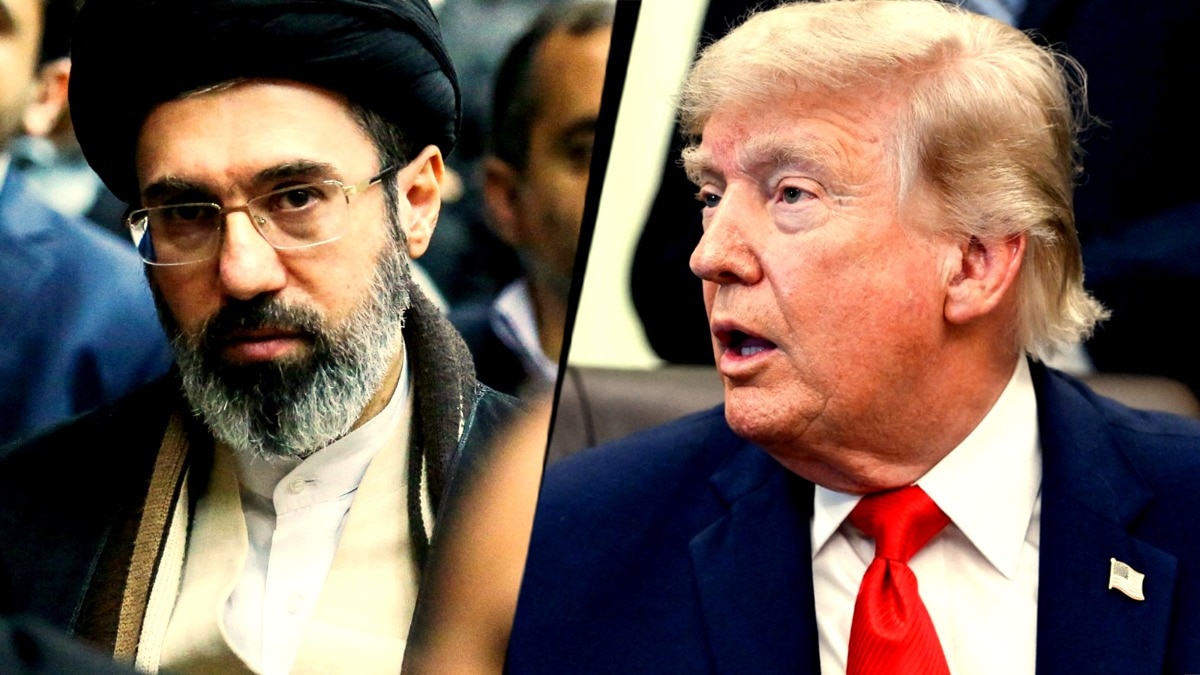
Nevertheless, high hopes aside, with US and Iranian leaders at an impasse on the peace talks, for many residents in Islamabad and Rawalpindi, their country getting the peacemaker tag feels distant compared to the immediate struggle of lost incomes, disrupted routines and an uncertain future.
- Ends
Published By:
Shounak Sanyal
Published On:
Apr 24, 2026 13:13 IST
Tune In