 2 hours ago
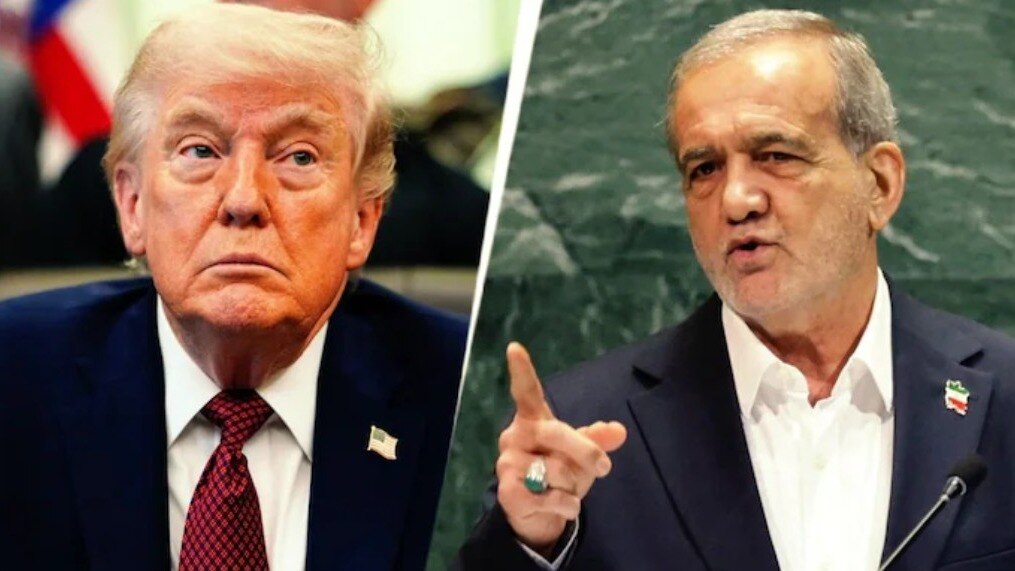
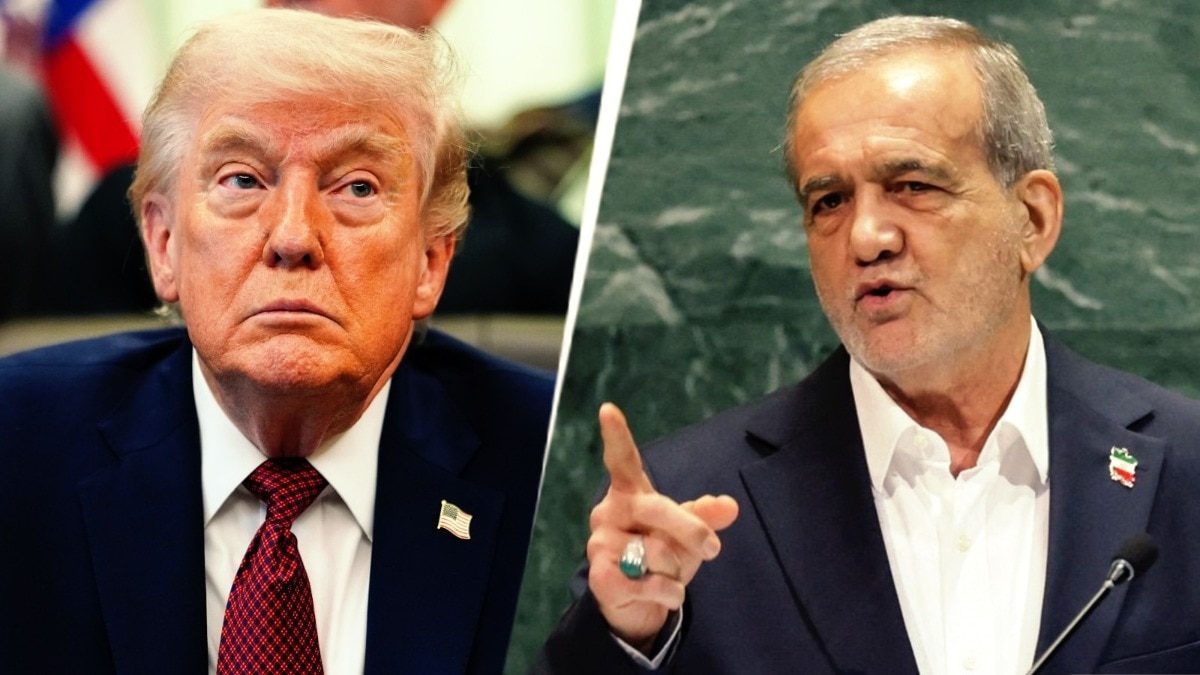
Donald Trump defended the US-Iran agreement at the G7 summit, saying it was needed to end the fighting. He said the deal could ease pressure on oil, shipping and global markets while a final accord is still pending.
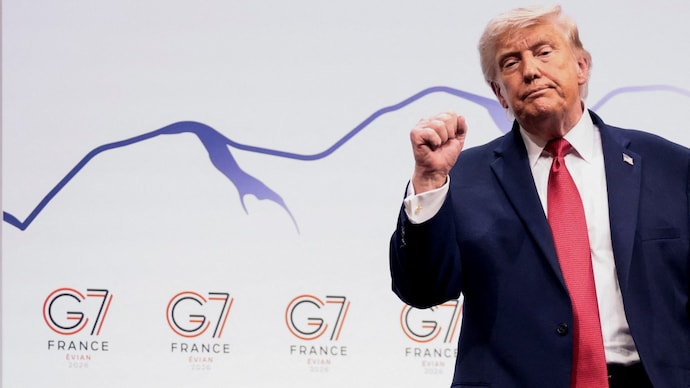
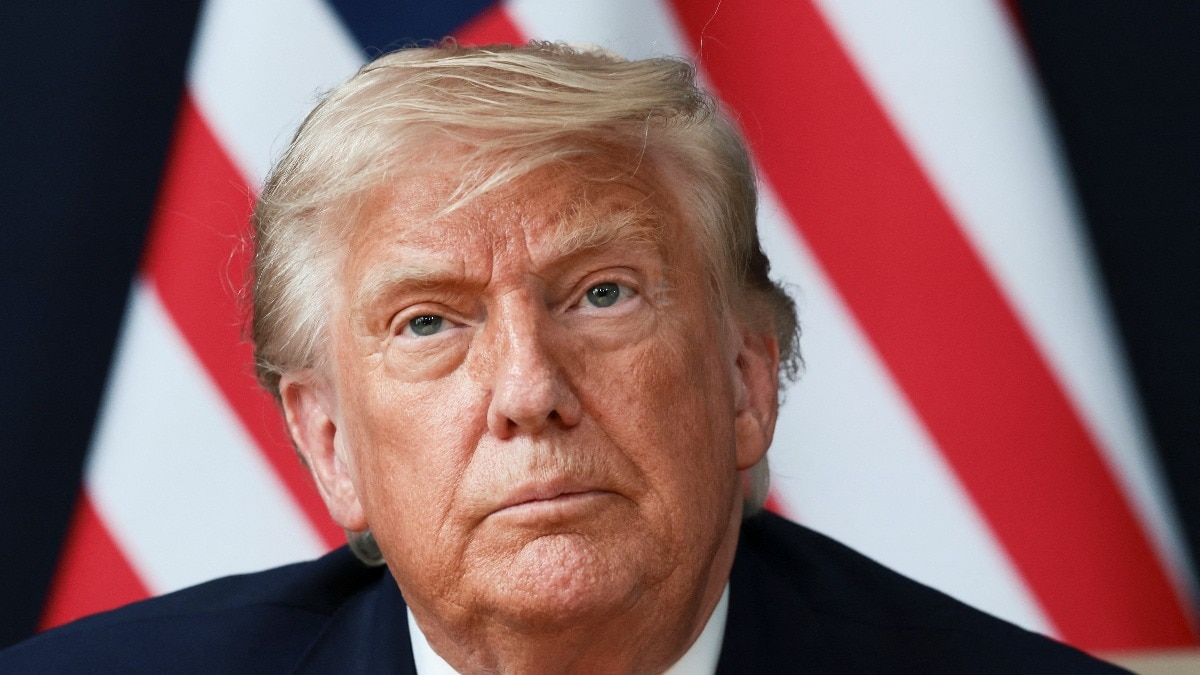
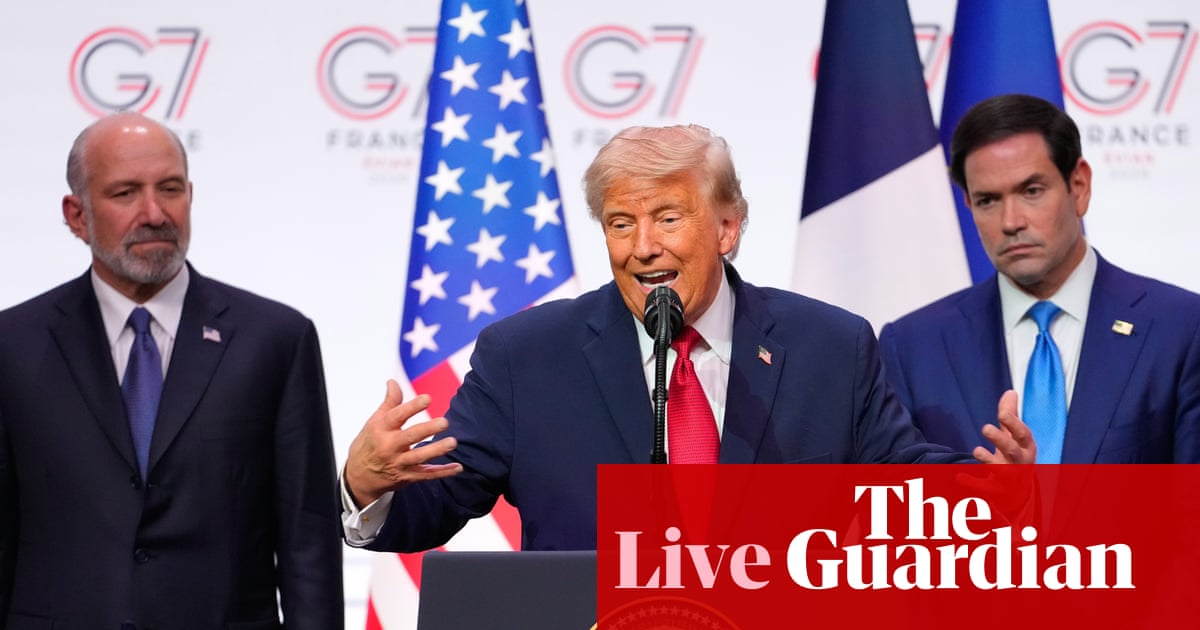
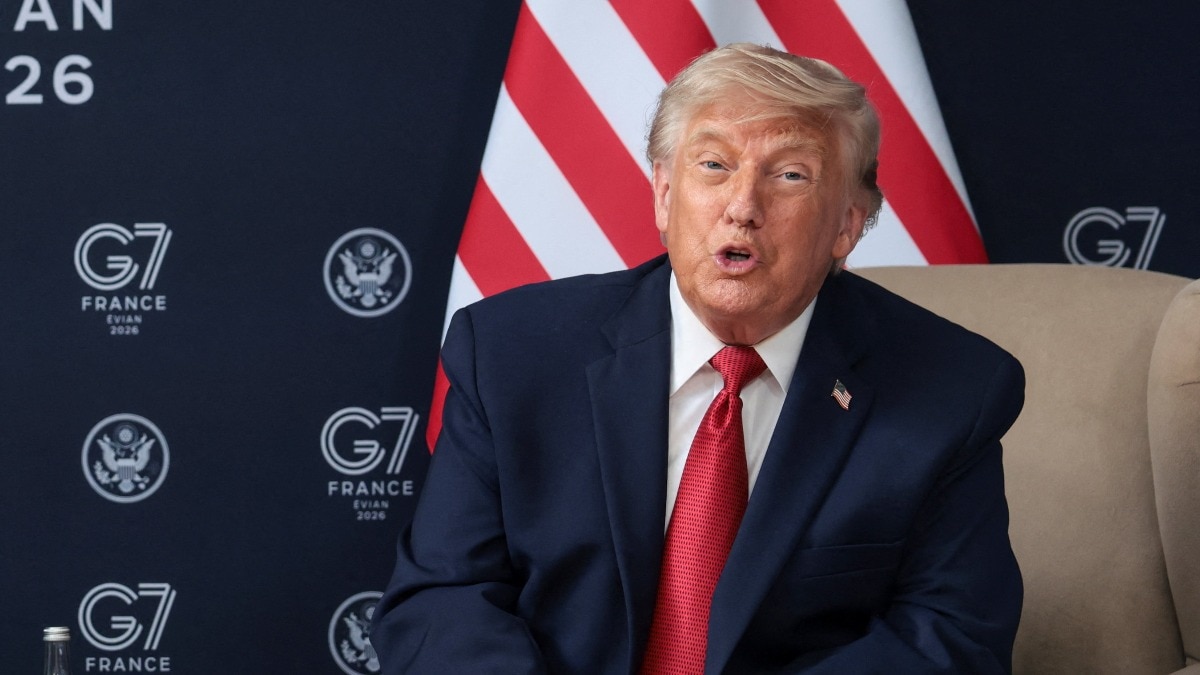
Trump said the prospect of a prolonged war had raised concerns about severe disruption to energy supplies, global trade. (Photo: Reuters)
US President Donald Trump on Wednesday mounted a forceful defence of his administration's agreement with Iran, arguing that ending the conflict was necessary to prevent a global economic shock that could have rippled far beyond the Middle East.
Speaking at the conclusion of the G7 summit in the French resort town of Evian-les-Bains, Trump said the prospect of a prolonged war had raised concerns about severe disruption to energy supplies, global trade and financial markets.
"So the one thing I didn't want to see is, I didn't want to see economic catastrophe. If you kept this going, that could have happened," Trump told reporters.
His remarks came as Washington and Tehran move towards a broader peace agreement following months of conflict that began with US and Israeli strikes on Iran and escalated into a wider regional crisis.
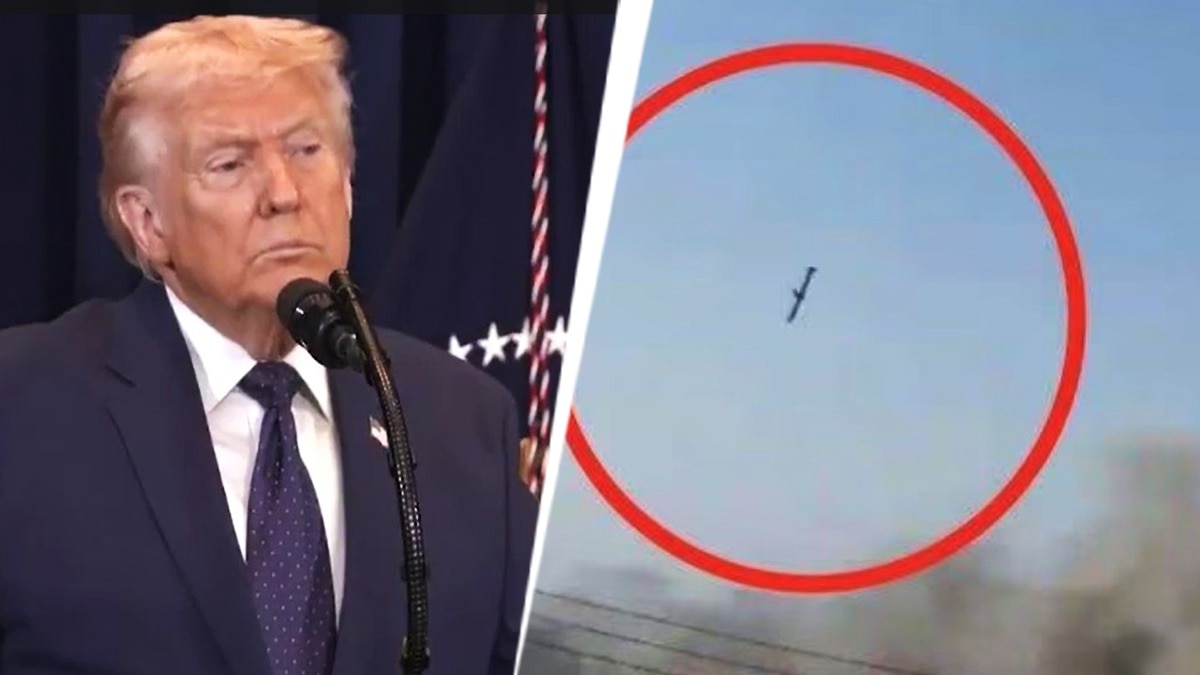
Trump at G-7 talks about economic catastrophe.
"I didn't want to see economic catastrophe. If you kept this going, that could have happened."pic.twitter.com/72mlW9HYrl— Chancy Luck (@chancy_luck) June 17, 2026
THE GLOBAL ECONOMIC SHOCK
The conflict rattled global markets, pushing up oil prices, fuelling inflation concerns and raising fears over disruptions to food and energy supplies, particularly in developing economies.
Trump said those risks weighed heavily on his decision-making and drew a comparison with former US President Herbert Hoover, who was in office when the 1929 stock market crash triggered the Great Depression.
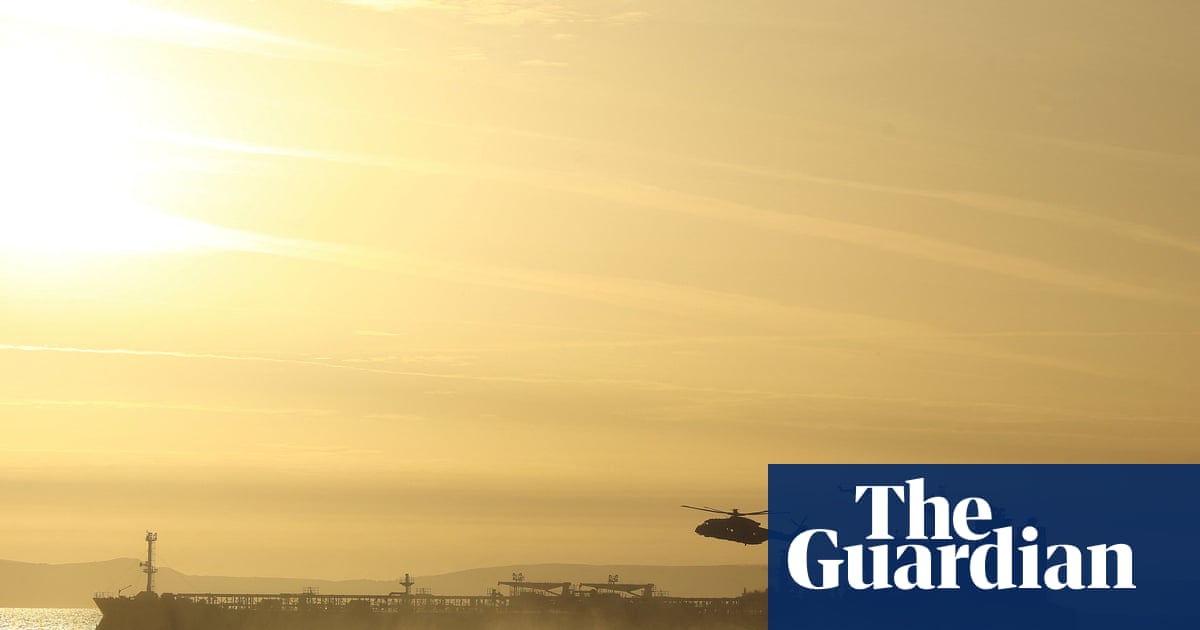
The US President argued that a prolonged conflict could have unleashed similar economic turmoil by choking off trade through the Strait of Hormuz, one of the world's most critical shipping routes for oil and gas exports.
Trump said the agreement would help restore maritime traffic through the strategic waterway and prevent further disruptions to global energy markets.
"So, what this does, it allows the ships to go. If we, if we keep bombing, those ships won't be going, and you're talking about 500, 600, $700 million a day," Trump said. "Also we run out of reserves at about four weeks."
He repeatedly pointed to the Strait of Hormuz as a key reason for pursuing a diplomatic settlement, warning that continued fighting could have caused widespread instability in global markets.
MARKETS PROVED MORE RESILIENT THAN EXPECTED
Despite concerns surrounding the conflict, Trump said the economic fallout had been less severe than everyone predicted.
"We had a disturbance, but I must say it was much less than anybody thought," he said, while highlighting that oil prices never reached the levels some had feared.
"The oil never went to $350 a barrel, it went to $115, $120."
Trump said he expected a sharp sell-off in US equities when the conflict erupted but was surprised by the market's resilience. He noted that stocks ultimately rose above levels seen before the war began, which he cited as evidence of the strength of the US economy.
He also revealed that US forces deliberately avoided strikes on Iran's oil infrastructure, arguing that such attacks could have triggered even greater damage to the global economy.
"I didn't want to ruin the world market because they do a lot of money," he said. "It would have been the wrong thing to do, and it could have caused, and it could have caused an international depression."
Although the US and Iran have signed a memorandum of understanding virtually, officials have cautioned that a binding peace agreement has yet to be finalised.
A senior US official who read out the 14-point draft agreement on Wednesday said either side could still walk away before a final accord is signed on Friday.
IRAN AND US TO END FIGHTING, MARITIME BLOCKADES UNDER MOU
Iran's state-run IRNA news agency on Wednesday published details of the proposed agreement between Tehran and Washington, saying the deal calls for an end to fighting on all fronts and the lifting of maritime restrictions in the Gulf region.
According to IRNA, the agreement would see the United States grant Iran access to frozen funds and lift blockades affecting Iranian ships and ports. In return, Tehran would work to restore maritime traffic in the Gulf and Gulf of Oman to pre-conflict levels. The published details also state that Iran would reaffirm its commitment not to produce or acquire nuclear weapons as part of the proposed accord.
The agreement is aimed at ending months of conflict between the two countries and paving the way for broader negotiations on regional security and economic cooperation. The US President has confirmed that the MoU will be signed officially within the next 48 hours.
- Ends
With inputs from agencies
Published By:
Satyam Singh
Published On:
Jun 18, 2026 01:59 IST