 5 hours ago
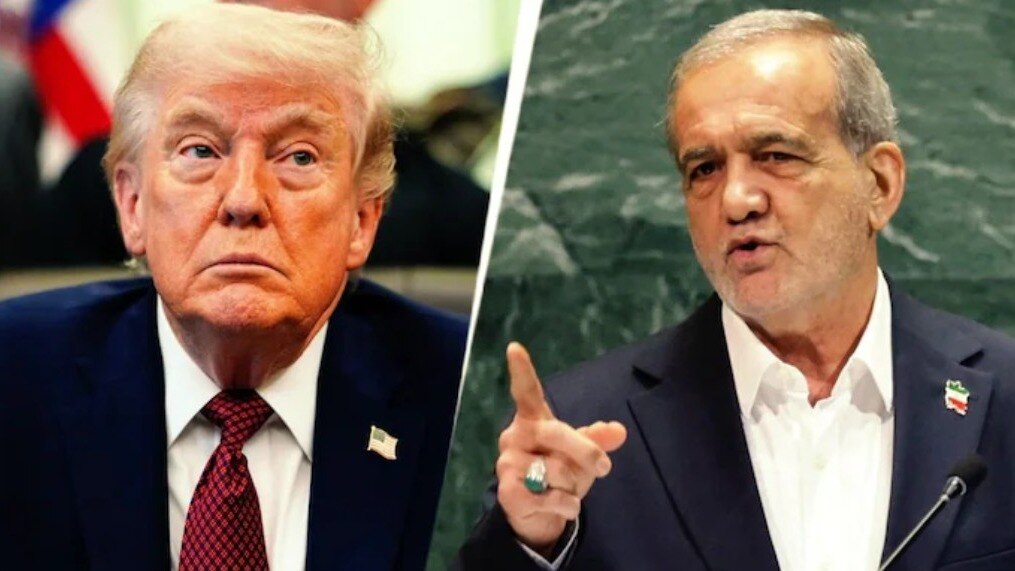
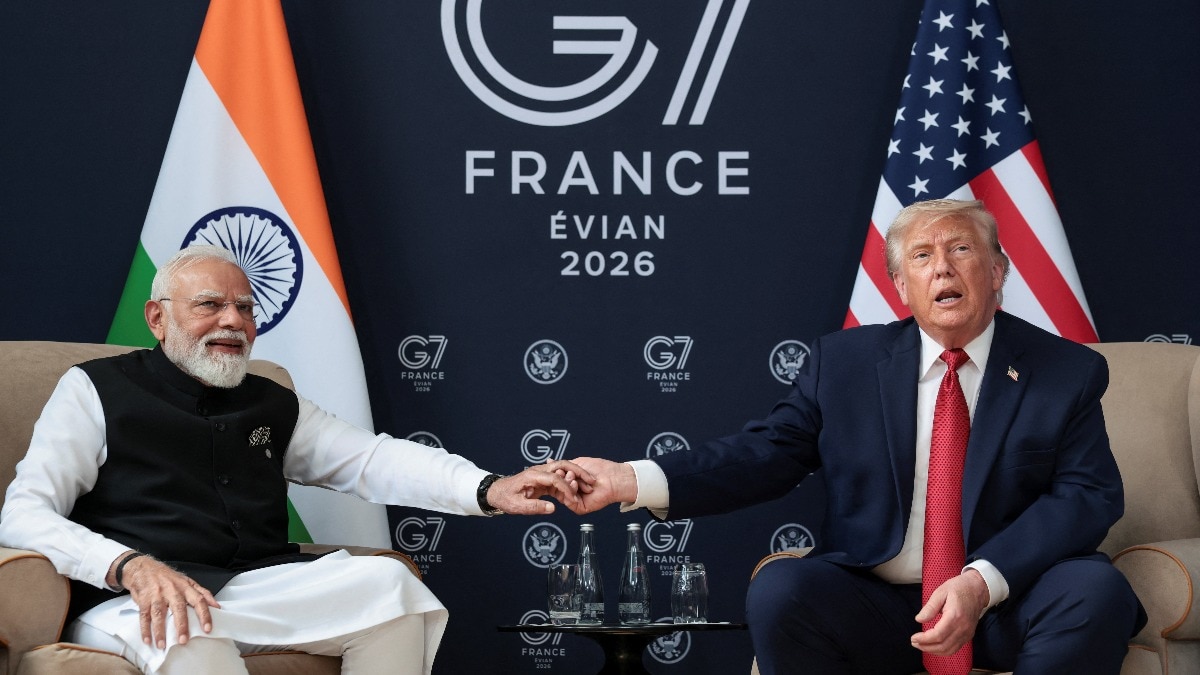
Foreign Ministry spokesperson Esmail Baghaei said Iranian President Masoud Pezeshkian and his US counterpart could sign the agreement, raising the possibility of the two leaders personally endorsing the deal.
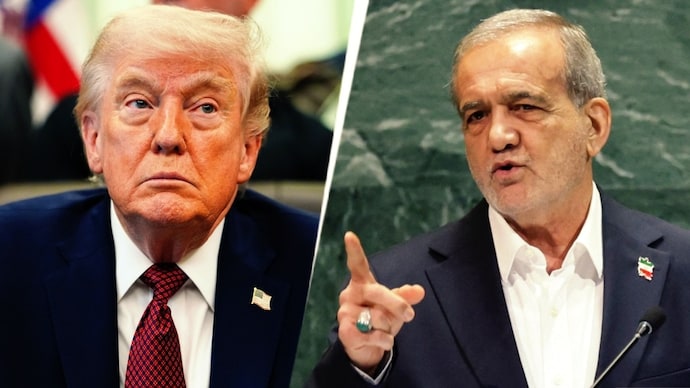
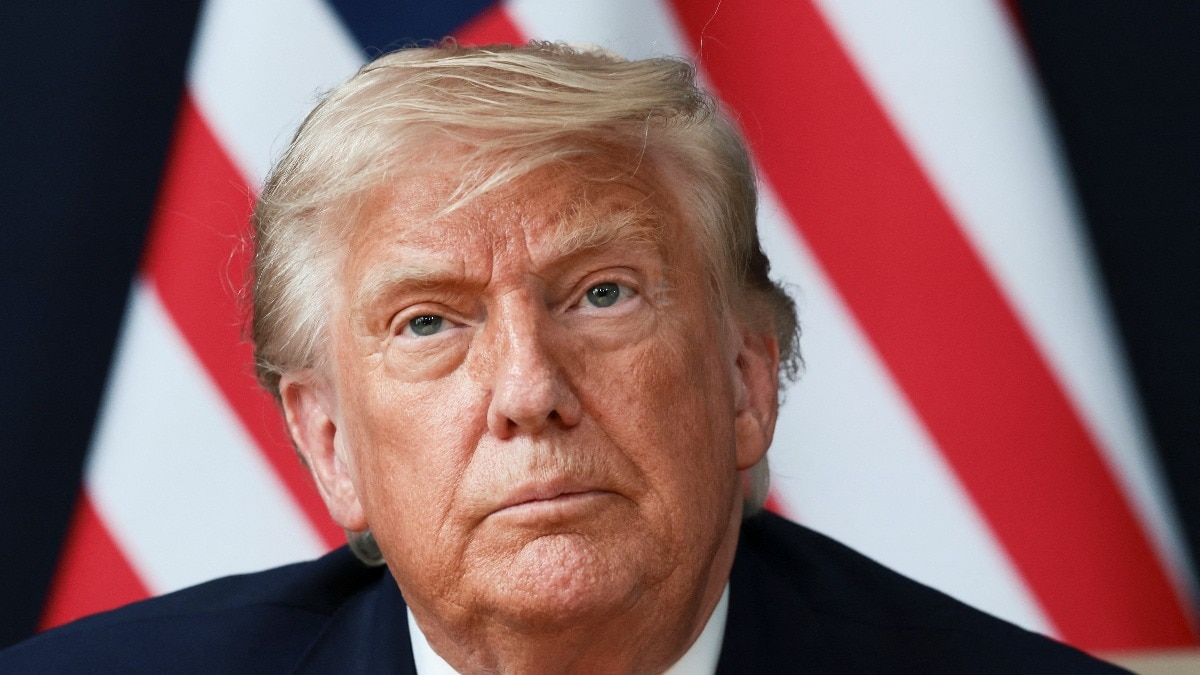
The agreement is expected to be formally signed on Friday. (Photo: Reuters)
A long-awaited US-Iran peace deal appeared closer to reality on Wednesday after Tehran indicated that Presidents Donald Trump and Masoud Pezeshkian could sign a draft agreement expected to be formalised on Friday.
This comes as senior US officials outlined details of a draft memorandum of understanding (MoU) to journalists after days of secrecy surrounding the negotiations. The agreement is expected to be formally signed on Friday, although both sides have yet to release the final text publicly.
If Trump and Pezeshkian ultimately appear together at the signing ceremony, it would be a remarkable milestone for two countries that have lacked formal relations for more than four decades. Since the 1979 Iranian Revolution, tensions have repeatedly flared through sanctions, regional conflicts and, more recently, direct US-Israeli military action against Iran.
TRUMP STOPS SHORT OF CONFIRMING
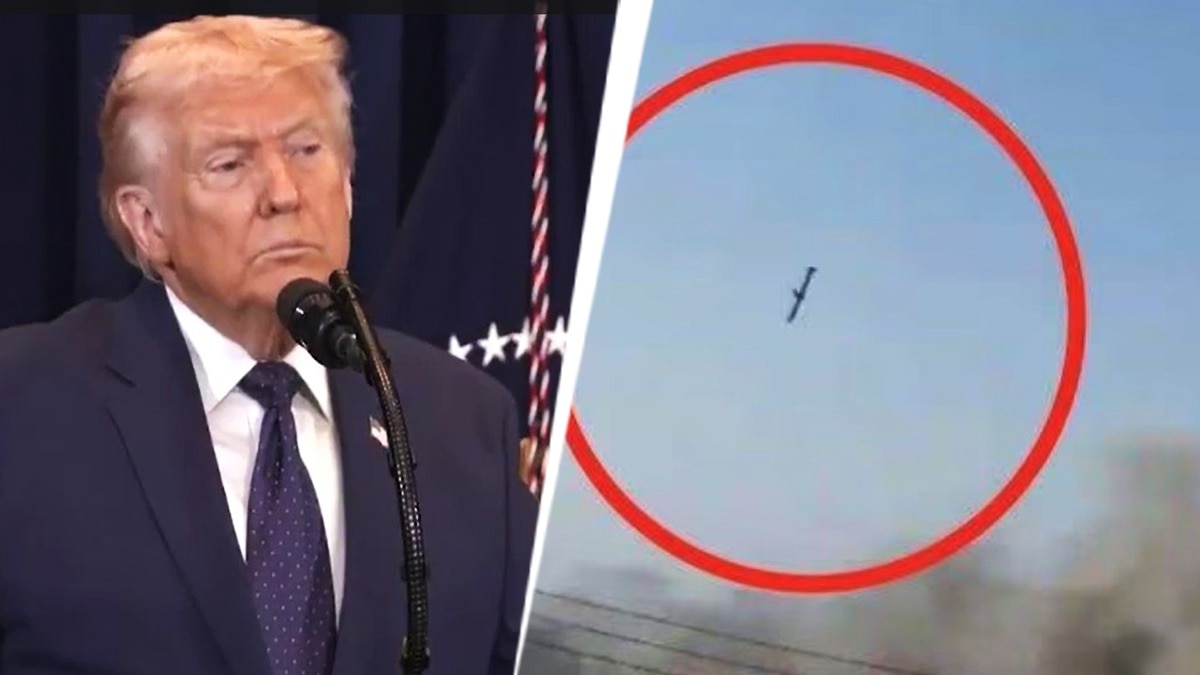
Despite the growing anticipation, Trump declined to guarantee that the signing ceremony would proceed as planned.
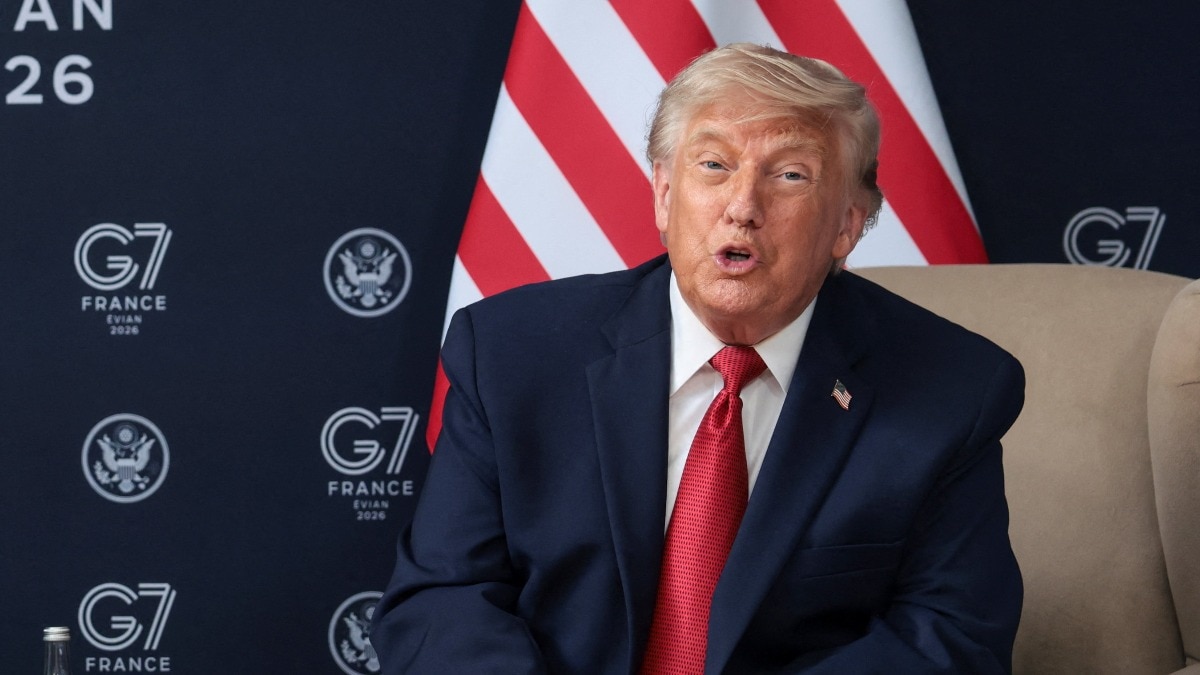
"You never know with deals, do you? But you're going to find out pretty soon," the US president told reporters when asked about his confidence in the agreement.
The US President also said he "might" stick around for the US-Iran deal signing, but then added reasons why he would not.
"This is a memorandum of understanding. It's very important, but it might not be the kind of a document that I should be signing," Trump said.
TEHRAN SIGNALS READINESS
In Tehran, Foreign Ministry spokesperson Esmail Baghaei fuelled speculation about a high-profile signing ceremony when he spoke about the possibility of the two presidents endorsing the agreement.
According to semi-official news agency Tasnim, Baghaei said the idea is "on the table and is still being considered".
The prospect would represent a big achievement for Pezeshkian, who entered office promising improved engagement with Western nations. However, his influence has been questioned in recent months amid domestic unrest and the growing dominance of hard-line factions within Iran's political establishment.
NEXT PHASE OF TALKS CRUCIAL
As preparations continue for Friday's signing ceremony at the Burgenstock resort near the city of Luzern, US officials cautioned that the memorandum of understanding is only a preliminary framework and that either side retains the option to abandon the process before a final agreement is reached.
Speaking anonymously to reporters, a senior US official said negotiations in Switzerland following the signing would be decisive in determining whether the framework can be transformed into a comprehensive and lasting accord.
"I think the meeting in Switzerland will be quite critical in order to really see how we get to the next phase," the official said, as quoted by Reuters.
FOCUS SHIFTS TO IMPLEMENTATION TIMELINE
According to the official, the biggest challenge after signing the MoU will not be agreeing on broad principles but deciding the order in which both sides carry out their commitments.
Negotiators will need to establish a detailed roadmap outlining what actions each party will take and when those steps will be implemented.
"It has to be a situation where both parties agree on the full magnitude of what both parties are going to do, and then come up with a sequencing agreement on who's going to do what when," the official said, describing the issue as the central focus of upcoming talks.
Under the terms of the framework agreement, the signing would trigger a 60-day negotiating window, which could be extended if both sides agree, to work out the details of a final settlement.
HORMUZ PASSAGE, URANIUM CURBS INCLUDED
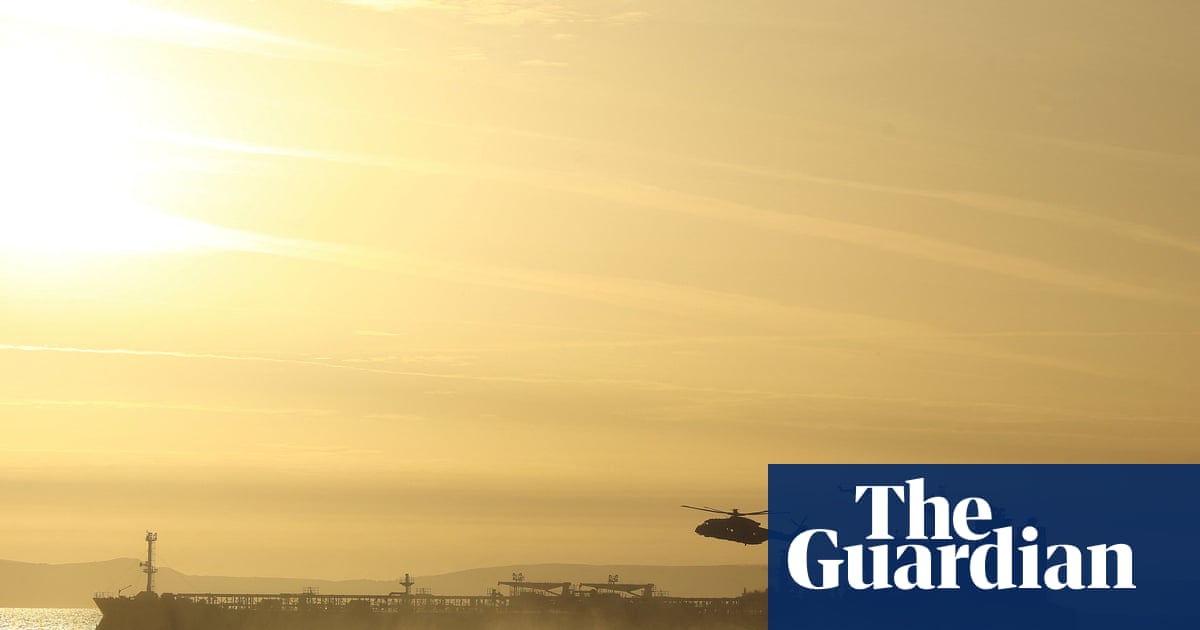
US officials said the draft memorandum contains provisions allowing toll-free passage through the Strait of Hormuz for an initial 60-day period. Discussions on the long-term administration of the strategic waterway would later involve Iran, Oman and other Gulf states.
Officials also said Tehran had committed, at a minimum, to reducing the enrichment level of its stockpile of highly enriched uranium, one of the key provisions included in the framework.
The version of the memorandum described by US officials closely matched details that had surfaced earlier in media reports, suggesting the contours of the agreement have largely been settled ahead of Friday's planned signing.
The officials also indicated that Israeli Prime Minister Benjamin Netanyahu had not, to their knowledge, requested a copy of the formal memorandum, despite previously stating that he had not seen the document.
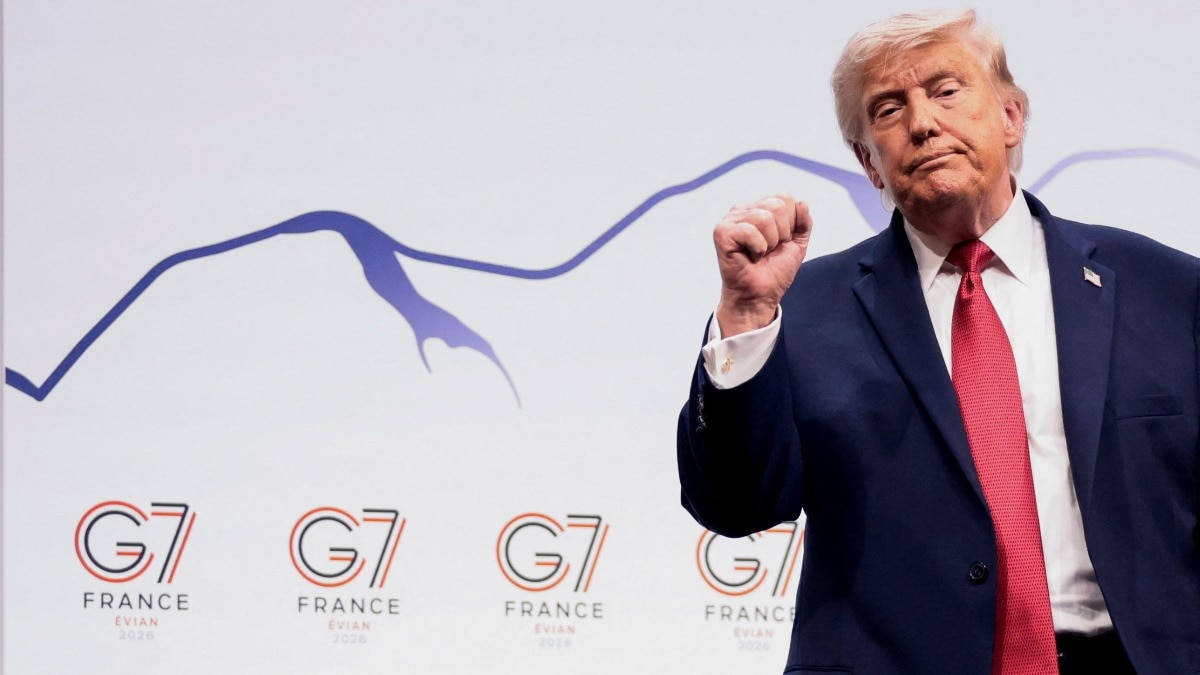
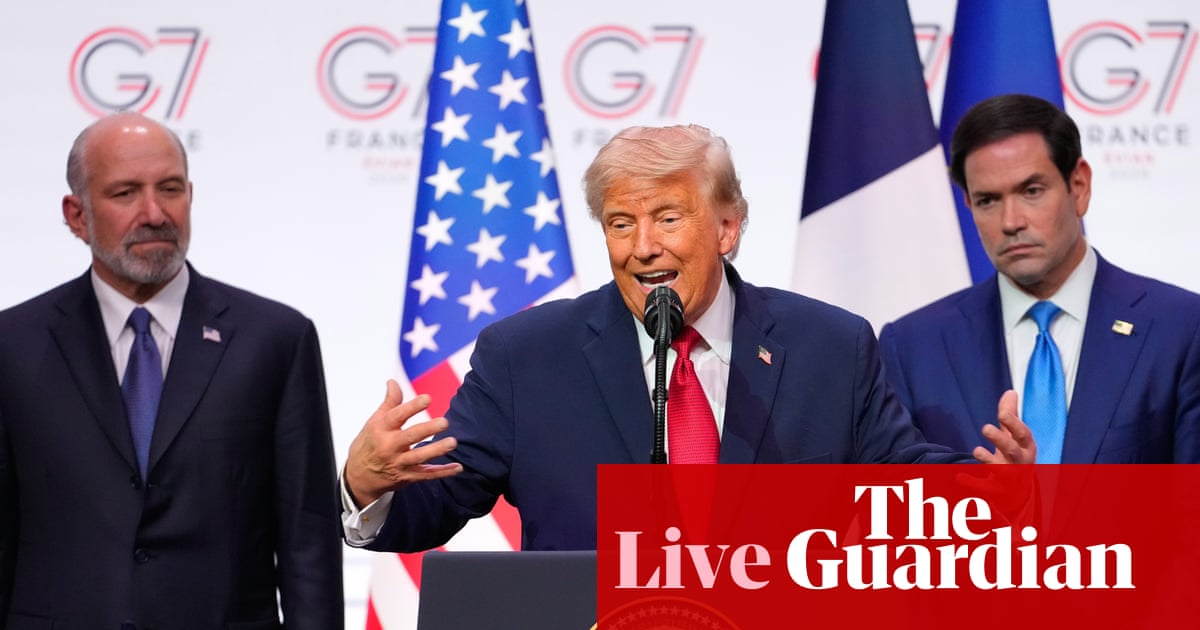
Notably, speaking at the G7 Summit, Trump said that he has sent a copy to Netanyahu.
- Ends
With inputs from agencies
Published On:
Jun 17, 2026 23:17 IST