 3 hours ago
The world watched a historic political friendship rise through massive rallies and warm words. But after trade fights, strategic disagreements, and fresh controversies, the relationship now faces a very different reality.
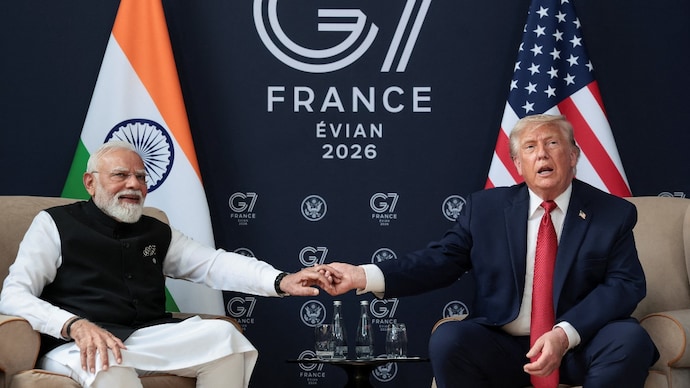
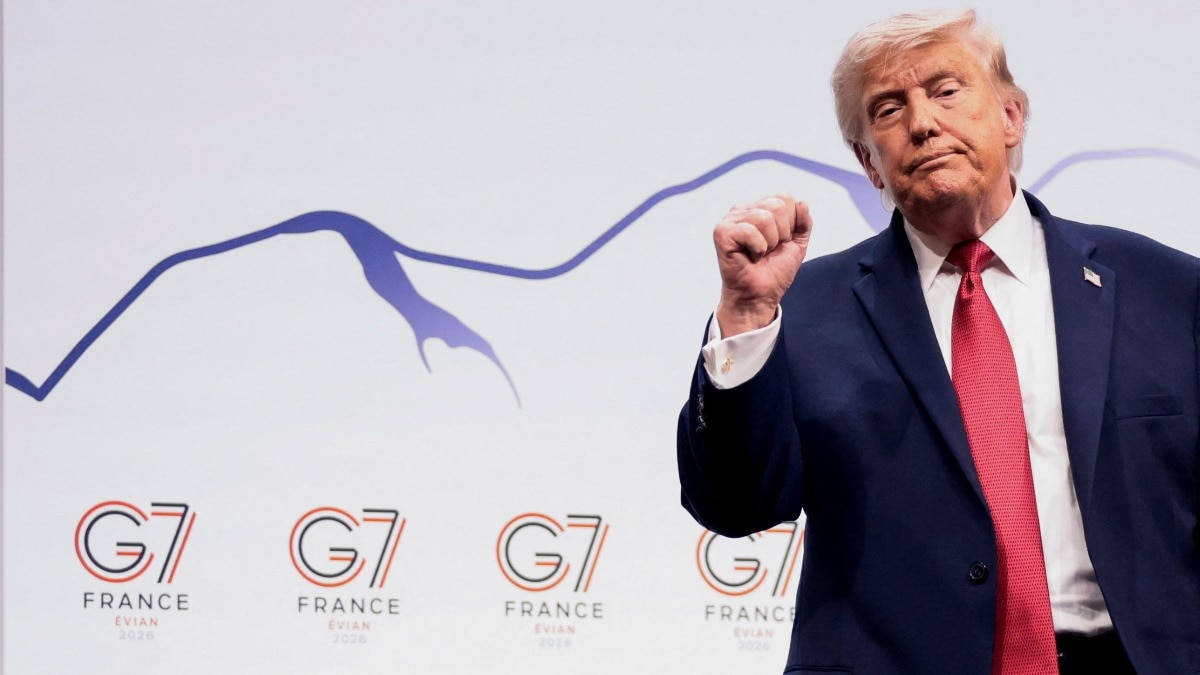
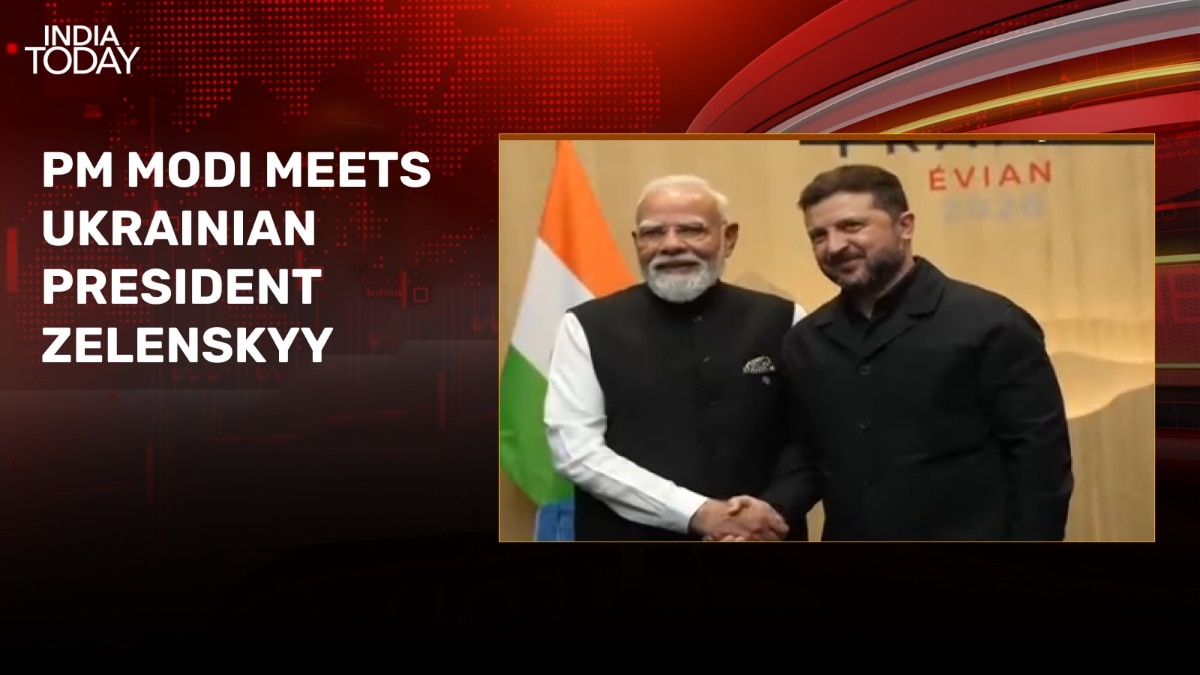
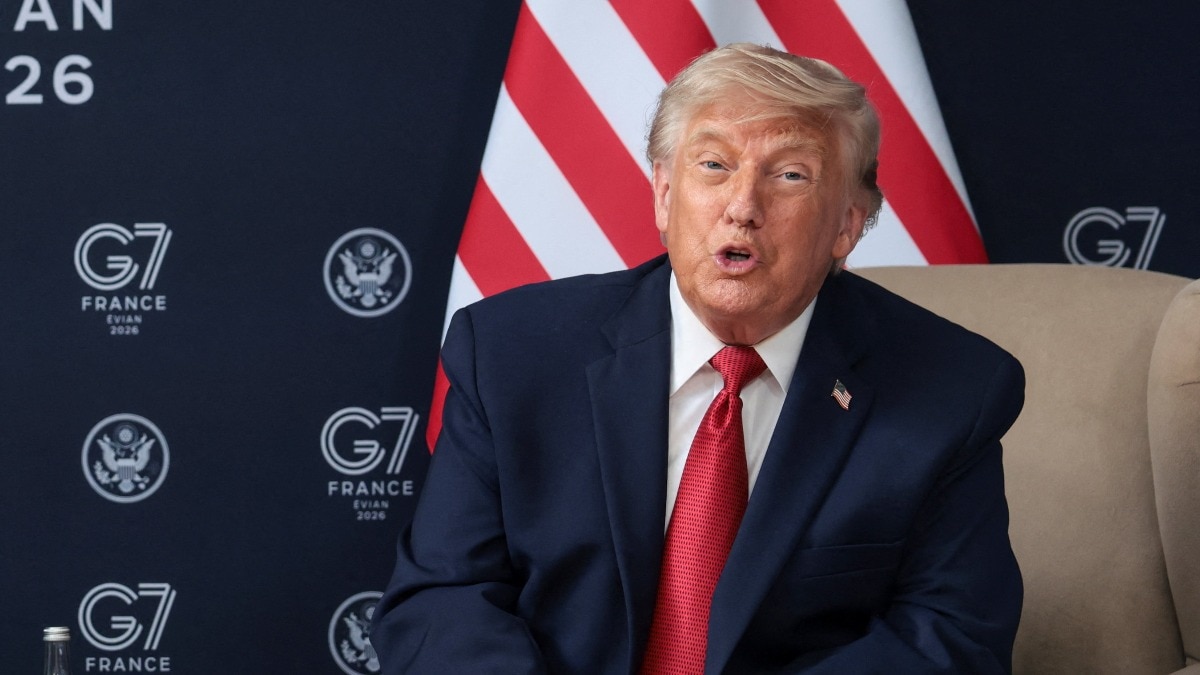
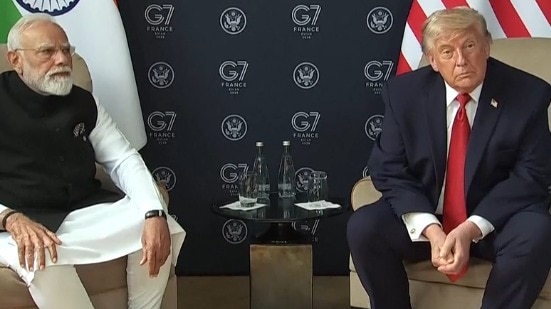
US President Donald Trump attends a bilateral meeting with Prime Minister Narendra Modi during the G7 Summit in Evian-les-Bains, France. (Photo: Reuters)

UPDATED: Jun 17, 2026 22:37 IST
The last time Prime Minister Narendra Modi and President Donald Trump met in February 2025, the atmosphere was already changing. Trump announced a new reciprocal tariff policy and singled out India, complaining that the country imposed some of the highest tariffs in the world.
Months later, as Modi arrived at the G7 Summit, another controversy emerged. Before the two leaders could meet on the sidelines, the Trump administration reportedly dropped the word “Indo” from the US Indo-Pacific Command’s name and reverted it to the US Pacific Command. Around the same time, a map displayed by the command showed Pakistan-occupied Kashmir as part of Pakistan rather than India, triggering concern in Delhi.
The question was unavoidable. What message does it send when major US moves that unsettle India appear just before Modi sits down with Trump?
For years, the Modi-Trump relationship was one of the most visible political partnerships in the world. During Trump’s first presidency, it was political theatre at its highest level. Trump called Modi a great leader. Modi described Trump as warm, friendly, energetic, and full of humour.
The friendship was displayed in front of massive crowds. In 2019, the Howdy Modi event in Houston saw thousands gather as the two leaders walked together before a roaring audience. Then came Namaste Trump in Ahmedabad in 2020, another grand display of symbolism and political connection.
The chemistry between the two leaders was built around a shared political style. Both focused on direct communication with voters, strong public images, and large-scale events. Their personal connection became a symbol of the growing India-US relationship.
But behind the smiles, disagreements were already appearing.
Trump claimed India wanted him to mediate on Kashmir, a claim India quickly rejected. Trade disputes also became a major issue, especially over Harley-Davidson motorcycles. Trump repeatedly criticised India’s tariffs on American bikes and argued that the trade relationship was unfair.
Under pressure, India reduced tariffs on Harley-Davidson motorcycles from 75 per cent to 50 per cent in February 2018. But Trump continued to argue that the cuts were not enough and demanded more equal treatment.
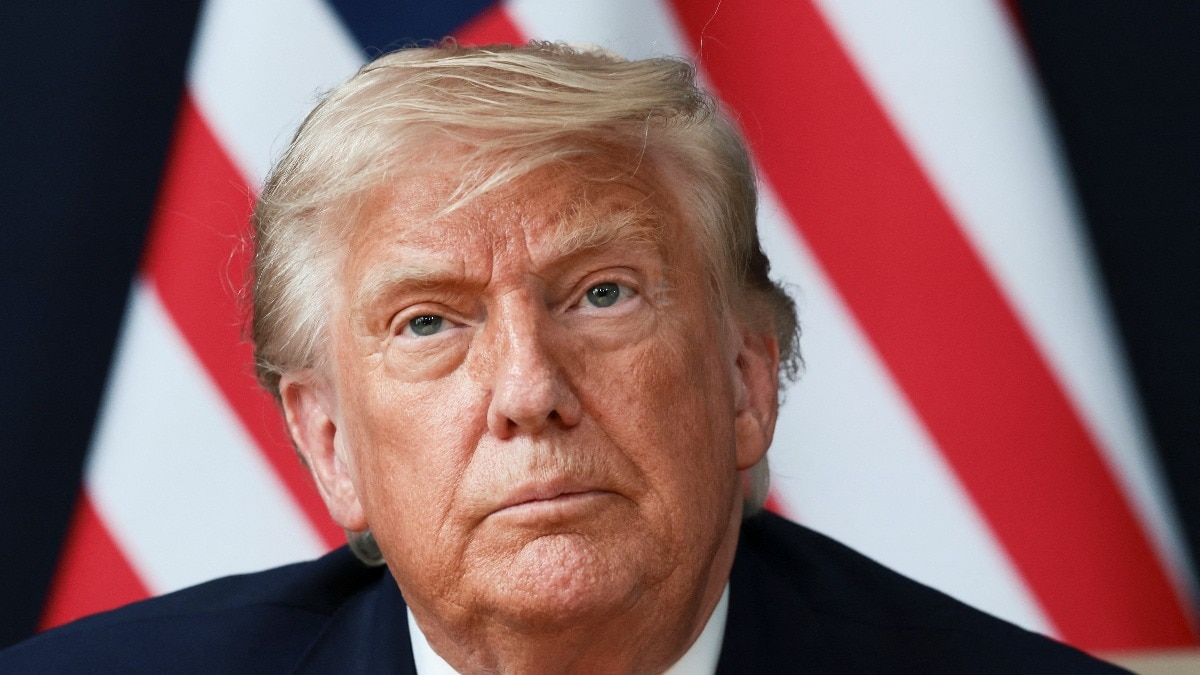
When Trump returned to office in 2025, the relationship entered a new phase. Even while praising Modi, Trump’s comments often carried criticism. He said, “I’ll always be friends with Modi... He’s a great prime minister. But I just don’t like what he’s doing at this particular moment.”
Trump then imposed steep tariffs on Indian imports and criticised India’s purchase of Russian oil. His remarks about India being a “dead economy” and the sharing of an insulting post about Delhi added further tension.
Another challenge came from immigration. Deportations of Indian nationals in shackles created outrage, while thousands of student visas faced cancellation. Indian students and workers became caught in the middle of Washington’s immigration crackdown.
Pakistan also became a major flashpoint. After the Pahalgam terror attack increased tensions, Delhi became concerned about US outreach towards Pakistan, including Trump hosting Pakistan Army Chief Asim Munir at the White House and suggesting Kashmir mediation. India rejected third-party involvement once again.
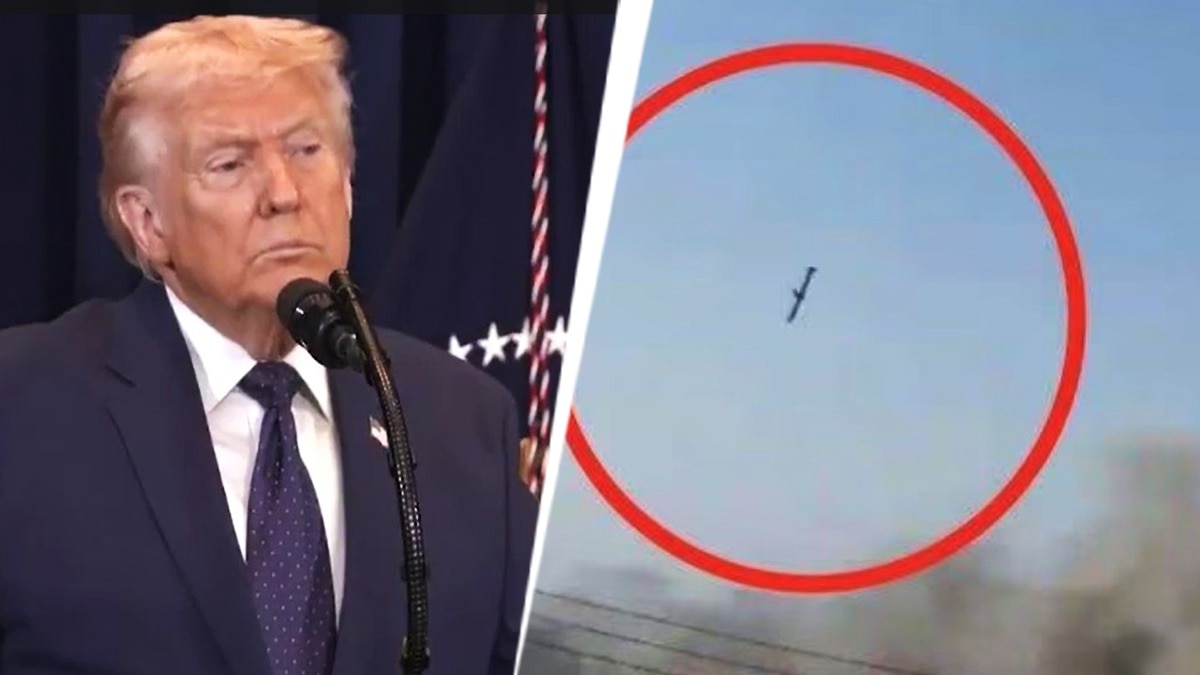
By this point, the relationship appeared less like a personal friendship and more like a difficult negotiation. At the G7, Modi highlighted the importance of trust, partnerships, maritime security, and protecting seafarers after a US strike in the Gulf region led to the deaths of three Indian sailors.
He did not name the United States, but the message was clear.
The Modi-Trump relationship may have changed, but it has not disappeared. Trade talks continue. Security cooperation continues. Defence discussions continue. Neither side has fully walked away.
The era of Howdy Modi and Namaste Trump may feel distant, but the partnership remains important. What has changed is the foundation. The relationship once ran on personal chemistry. Today, it runs on strategic calculation.
The biggest question is no longer whether Modi and Trump like each other. It is whether they still need each other.
- Ends
Published By:
indiatodayglobal
Published On:
Jun 17, 2026 22:37 IST