 2 hours ago
Amid a dire energy crisis triggered by the choking of the Strait of Hormuz, Islamabad has cancelled the celebrations and the parade scheduled for Pakistan Day. The March 23 observance will now be marked with "simplicity and dignity", said Pakistani PM Shahbaz Sharif's office, as fuel shortages and soaring costs hit the people hard.
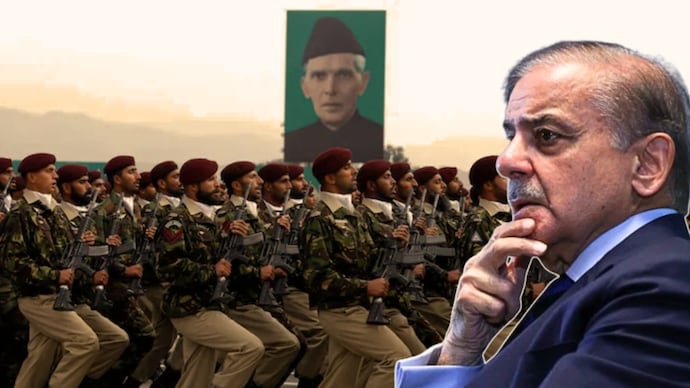
Shehbaz Sharif's office said that the 31-gun salute in Islamabad would be replaced by simpler, and low-key observances on March 23. (File Images)

New Delhi,UPDATED: Mar 18, 2026 18:23 IST
The energy crisis triggered by the US-Israel-Iran war in the Middle East now has a new casualty. Pakistan's Prime Minister's Office on Tuesday announced its decision to cancel the military parade and ceremonial proceedings scheduled for March 23, the Islamic Republic's Republic Day, according to reports.
The office of PM Shehbaz Sharif said, "In light of the ongoing Gulf oil crisis and the austerity measures announced by the government, it has been decided that the Pakistan Day parade scheduled for March 23 and all associated ceremonies will not be held".
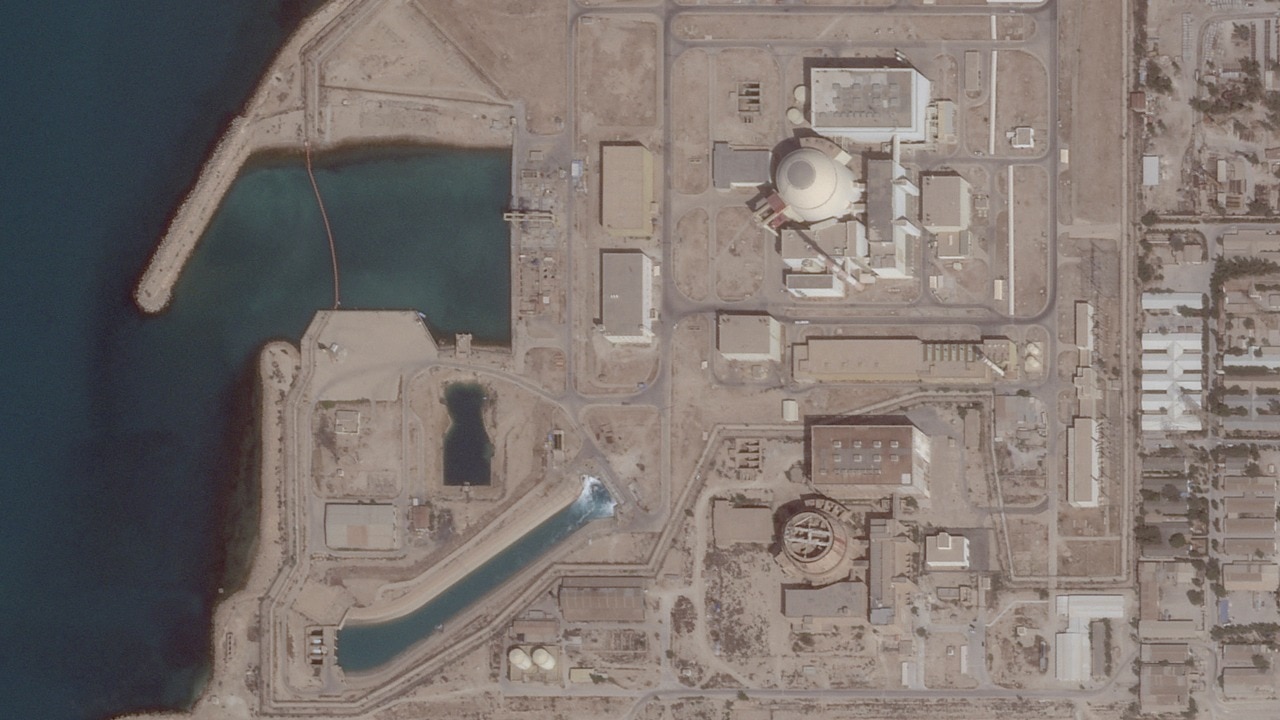
The decision by Islamabad comes amid a dire energy crisis triggered by disruptions in oil supply from the Strait of Hormuz and the continued enforcement of austerity measures in response.
This marks a rare pause in observances of the day tied to the 1940 Lahore Resolution, when the All-India Muslim League formally demanded a separate country for Muslims. This move eventually led to the Partition of India in 1947.
It was on March 23, 1956, that Pakistan formally became a republic with the adoption of its first Constitution, nine years after its birth.
HOW ENERGY CRISIS HAS MADE PAK PRESS PANIC BUTTON
Days after the war in the Middle East started, cash-strapped Pakistan had pressed the panic button. It had turned to Covid-era measures like work from home and online classes to ensure fewer vehicles were on the road.
Pakistan is economically devastated by the closure of the Strait of Hormuz. Nearly 85-99% of its crude oil and LNG imports (mostly from Qatar and the UAE) transit through the strait. With the strait being largely blocked for more than a week, Pakistan has seen a sharp rise in oil prices.
According to a report in the NYT, the war in the Middle East has pushed Pakistan's monthly fuel import bill from $1.7 billion to a potential $3.5-4.5 billion. Additionally, LNG shortages have forced the Pakistanis to look for alternative fuels and immediate power rationing.
The energy crisis has already spiked inflation in Pakistan. It is also threatening remittance flows given that over 4.7 million Pakistanis live and work in the Gulf.
PAK CANCELS REPUBLIC DAY PARADE AMID ENERGY CRISIS
A week after Sharif announced a four-day work week and a work-from-home policy as part of wide-ranging austerity measures, his office said that March 23 celebrations in Pakistan would be "observed with dignity and respect through simple flag-hoisting ceremonies," reported the Karachi-based Express Tribune.
The celebrations of Pakistan Day or the Republic Day usually begin with a 31-gun salute in Islamabad and a 21-gun salute in provincial capitals. These salutes are followed by a parade of the Pakistani armed forces where the Islamabad-Rawalpindi displays its military pageantry.
On Tuesday, Sharif's office said the upcoming Republic Day shall be commemorated with "dignity and reverence".
"All ministries, divisions and departments are directed to observe the occasion with simplicity and dignity, so that despite limited ceremonies, the importance of the day and its true message remain preserved," Karachi-based newspaper, the Express Tribune, quoted the Pakistani Prime Minister's Office, as saying.
"This measure is being taken to ensure that the resilience and unwavering commitment of the nation to the ideals of Pakistan Day remain aligned with the broader austerity framework," Arab News Pakistan quoted it as saying on Tuesday.
Moreover, Pakistan's PM Sharif has also directed officials to strengthen petroleum imports and closely monitor reserves, which currently stand at just 11 days of crude and nine days of LPG.
The austerity measures also include salary cuts for ministers and lawmakers. Foreign travel has been restricted to essential visits in economy class to conserve fuel. Pakistan, which relies on imports for over 80% of its oil needs, is already grappling with soaring costs.
- Ends
Published By:
Sushim Mukul
Published On:
Mar 18, 2026 18:23 IST
Tune In