 1 day ago
Last Updated:March 12, 2026, 16:03 IST
The term “flagging a ship” refers to the process of registering a ship in a particular country called the flag state


Since nearly 20 per cent of the world’s oil exports and a considerable volume of container traffic pass through these areas, a single attack on a vessel flagged in these areas has a significant impact on global trade.
As the US-Israel-Iran war intensifies in the Middle East, the spotlight is now on maritime shipping activities, especially after the recent attacks on ships passing through the Strait of Hormuz.
On Thursday, Iran’s Revolutionary Guards announced that it had attacked a Marshall Island-flagged vessel that it claimed was owned by the US. The Iranian Guards announced that it had attacked a vessel called Safesea that was “one of the assets of the US terrorist army" that “was hit in the northern Gulf after ignoring and not complying with warnings and alerts".
As other ships flagged by different nations are attacked by the Iran war, let’s take a brief look at what a flagged vessel is:
What Is Flagging A Ship?
The term “flagging a ship" refers to the process of registering a ship in a particular country called the flag state. After registering a ship in a particular country, it bears the flag of that country, and the laws governing a ship are those of the country whose flag it bears. Flagging a ship means the country assumes liability for a ship at sea.
Big Flag States Vs Flags of Convenience
Big Flag States are those countries with a large domestic fleet and a high degree of regulation, such as the USA, Japan, and other European maritime nations, where vessels with high standards of regulation are often flagged.
However, for other vessel owners, it is often more beneficial to register in a country with a low flag fee, less regulation, and lower costs, referred to as a Flag of Convenience (FoC). This is often the case in Panama, Liberia, and the Marshall Islands.
In the context of risk, just like in the West Asia war, these factors are significant.
How Are Ships Identified At Sea?
IMO number: This is a unique number that remains with the vessel throughout its service life, irrespective of its owners or flag states.
Call sign: This is used in communication and is related to its registration.
Automatic Identification System (AIS): Vessels transmit information about their identity, location, speed, and course to other vessels or stations on land—unless they are switched off in high-risk zones.
Flag hoist: The national flag flown from the stern indicates its registration.
These systems are important in normal circumstances and are critical in war zones where authorities and navies monitor vessels for safety and regulatory purposes.
Why Does This Matter In The War?
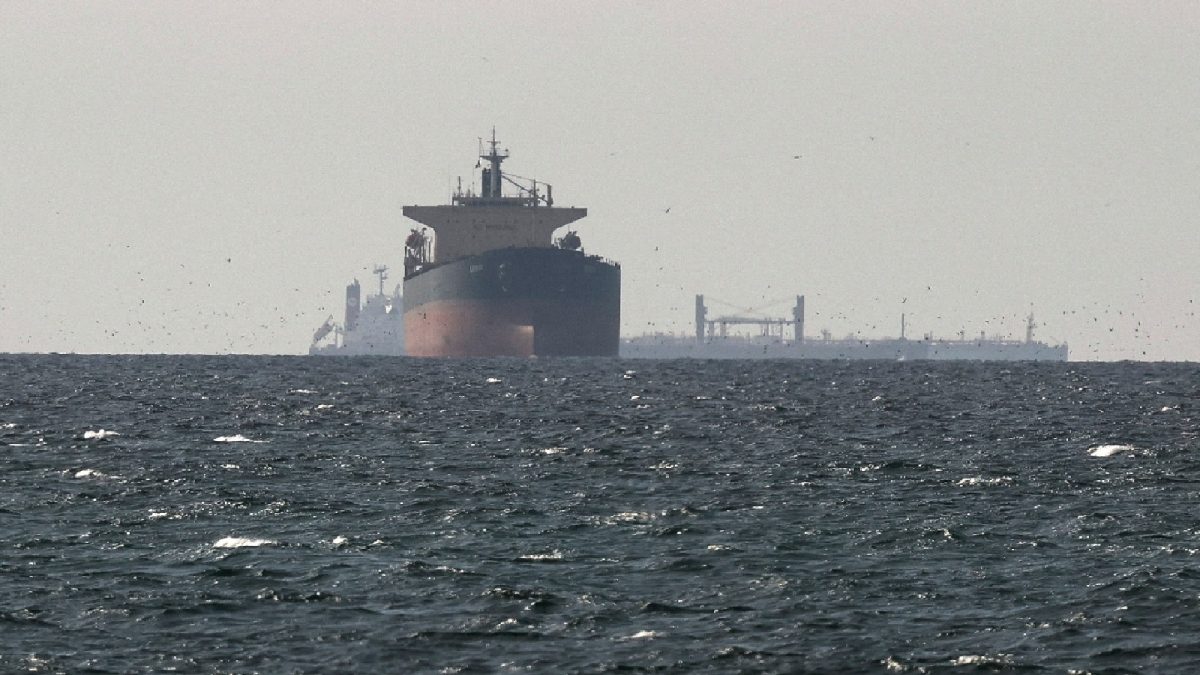
Several reports indicate that commercial ships, such as a Thai-flagged cargo ship, as well as those from the Marshall Islands and Japan, have been attacked near the Strait of Hormuz, which is a major shipping route for global oil and cargo traffic.
Since these ships fly a national flag and transmit their details, governments are able to send out warnings as tensions are heightened. Moreover, it is also clear which country is responsible if something goes wrong.
India has condemned attacks on ships and has emphasised that maritime traffic should not be targeted, as it poses a risk to crews and international trade.
Security & Insurance Risks
According to Arab Weekly, the costs of insurance and war risk premiums have also increased, considering the impact on the Straits of Hormuz and Bab al-Mandab. Insurers consider the risk based on the flag a vessel is flying and the signal it sends. Therefore, higher risk areas mean higher costs for vessels.
Rerouting vessels to avoid these areas and head around Africa’s Cape of Good Hope, rather than taking the Red Sea and Hormuz route, is also causing costs to rise significantly.
Impact on Global Trade
Since nearly 20 per cent of the world’s oil exports and a considerable volume of container traffic pass through these areas, a single attack on a vessel flagged in these areas has a significant impact on global trade. Shipping companies also face pressure to avoid price gouging.
First Published:
March 12, 2026, 16:03 IST
News explainers Maritime ID 101: Caught In The Crosshairs Of Iran War, How Ships Are Flagged & Tracked
Disclaimer: Comments reflect users’ views, not News18’s. Please keep discussions respectful and constructive. Abusive, defamatory, or illegal comments will be removed. News18 may disable any comment at its discretion. By posting, you agree to our Terms of Use and Privacy Policy.
Read More